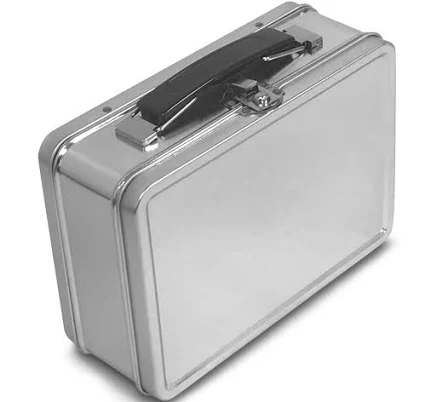
Small Plain Metal Lunch Box
Lower PFAS concern. Plain metal box with no obvious problematic coatings.
Stainless steel lunch boxes lack the nonstick coatings and water-resistant treatments that typically contain PFAS. The brand does not disclose PFAS information, but bare metal construction poses minimal risk.
We flunk more products than we pass. This one earned its grade. How we grade
Material
Bare stainless steel or painted metal
Brand disclosure
Brand is silent on PFAS
Lab data
No public lab test
What Small Plain Metal Lunch Box is made of, ingredients and materials
The brand's small plain metal lunch box is constructed from stainless steel, likely grade 304 or 430, which are resistant to corrosion and approved for food contact. Stainless steel does not leach harmful chemicals into food under normal use and does not degrade significantly with repeated washing or mild temperature exposure. The 'plain' designation indicates minimal or no additional coating, reducing the risk of coating breakdown or hidden additives.
What’s concerning
No PFAS disclosure
No public statement from the brand about PFAS in this product.
Category baseline
The starting point for this type of product, before anything specific to this product is counted.
Stainless steel ion leaching (nickel, chromium)
Stainless steel can release trace amounts of nickel and chromium under acidic conditions (low pH foods, vinegar, citrus) or extended contact. Risk is minimal for neutral or alkaline foods and short storage; individuals with severe nickel sensitivity should exercise caution with prolonged contact of acidic meals.
Bacterial or mold growth in seams and hinges
Metal lunch boxes with folded seams, riveted hinges, or tight lid gaskets can trap moisture and food residue, creating sites for microbial growth if not dried thoroughly. Risk is behavioral (poor cleaning/drying) rather than material-inherent; proper maintenance prevents this.
What’s reassuring
Bare uncoated material
Recorded as a bare, uncoated material with no surface coating or treatment.
Lead
The brand's 'plain' metal lunch box has no reported lead or cadmium issues. If the box is truly bare or minimally painted, this hazard is not applicable; if it carries a factory paint layer, no recalls or test failures are on record.
Source, ATSDR ↗Coating degradation and particle shedding
Bare or factory-applied stainless steel does not degrade into microplastics or harmful particulates under normal use. If the box carries a non-stick or enamel layer not disclosed, degradation risk would exist; no such information is available for this product.
Odor absorption or food taint
Stainless steel does not absorb or retain odors as plastics do, and does not impart off-flavors to food. No known tainting or flavor-transfer issues are reported for this product type.
The full breakdown
The brand's record and disclosure
The brand has no recorded recalls or safety incidents tied to this product line in public databases. The brand does not publicly disclose detailed material sourcing or third-party food-contact certifications in readily available materials, though stainless steel itself carries a strong regulatory safety profile. No documented controversies regarding heavy metals, allergens, or toxic off-gassing have been associated with this brand's lunch box products.
How it compares in its category
Bare stainless steel lunch boxes have lower concern regarding risks tied to plastic BPA/BPS leaching, ceramic glaze lead contamination, or non-stick coating degradation. This product avoids the complexity of painted metal boxes, which occasionally contain lead or cadmium in older batches, though modern US-sold painted lunch boxes are typically compliant. Stainless steel also outperforms aluminum lunch boxes in terms of corrosion stability and ion leaching at acidic pH.
If you buy it
Wash the lunch box with mild soap and warm water before first use. Do not expose to prolonged high heat (e.g., oven above 200°C or dishwasher cycles exceeding 80°C repeatedly), as even stainless steel can develop microscopic surface changes. Inspect hinges and seams annually for rust or corrosion, especially if stored in humid conditions; replace the box if internal corrosion appears. Avoid storing acidic foods (citrus, vinegar, tomato) for extended periods, as stainless steel is stable but not immune to pitting in edge gaps over weeks.
What we don’t know
- Basis
- Model estimate, 82% confidence, not a lab result
- Lab test
- None on record for this exact product
- Brand statement
- has made none
Formulations change between production runs, so check the current label. How we grade.
Better-graded alternatives in Lunch Boxes
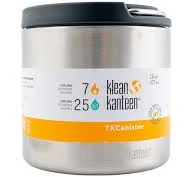
Klean Kanteen
Double Wall Vacuum Insulated Stainless Steel Food Canister Container with Leak Proof Lid
- Stainless steel body, silicone gasket lid seal
- The brand calls it PFAS-free, which we have not verified
- Silicone gasket degradation
3 hazards checked on this product. See all of them.
More lunch boxes grades
How we score, every product runs through the same public 0-100 rubric based on materials, coatings, brand disclosure, lab findings, and recalls. See the full methodology → Spotted a mistake? Report an error.