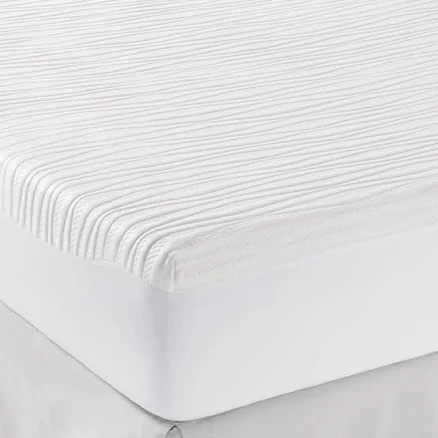
Sleep Number · Mattress Protectors
Sleep Number Total Protection Mattress Pad, Is It Non-Toxic?
Skip until brand discloses waterproofing chemistry.
Waterproof barrier layer lacks public chemical composition disclosure. Mattress pads typically rely on water-repellent coatings historically linked to PFAS; actual risk remains unknown.
The better-graded swap
Avocado Green Mattress
Organic Cotton Mattress Cover and Pad Protector
85/100 safety
Same rubric that flunked this product. The swap earned Excellent.
Still want this one anyway? Check the price on Amazon. We’d swap it.
Material
Polyester/polyurethane mattress pad with waterproof barrier layer
Brand disclosure
Brand is silent on PFAS
Lab data
No public lab test
You may also be interested in
Top-graded picks in the categories readers replace first, every one scored on the same rubric.

- polypropylene filter housing, carbon/sediment cartridge
- We found no PFAS statement from the brand
- Bacterial growth in spent cartridges
3 hazards checked on this product, all on its full breakdown.

Aquasure
Premier Series 75 GPD Under Sink Reverse Osmosis Water Filtration System
- RO membrane, carbon filters, stainless steel housing
- We found no PFAS statement from the brand
- Bacterial and microbial growth in housing and filters
4 hazards checked on this product, all on its full breakdown.

Avocado
Vegan Mattress
- organic cotton, natural latex, coconut coir, recycled steel coils
- The brand calls it PFAS-free, which we have not verified
- Heavy metals
2 hazards checked on this product, all on its full breakdown.
Is Sleep Number Total Protection Mattress Pad non-toxic? What it is made of
This mattress pad combines a polyester face fabric with a polyurethane backing and a waterproof barrier layer designed to repel liquids. The polyurethane foam and waterproof coating are the primary chemical concern, polyurethane is typically made with diisocyanates (MDI or TDI) and can off-gas volatile organic compounds (VOCs) during the first weeks to months after manufacture. The waterproof barrier almost certainly relies on fluorinated compounds (PFAS) or silicones to achieve water resistance, though the brand has not disclosed which chemistry is used.
What’s concerning
Category baseline
The starting point for this type of product, before anything specific to this product is counted.
No PFAS disclosure
No public statement from the brand about PFAS in this product.
Waterproof / stain-resistant treatment
Water-repellent coating treatments have historically used PFAS.
Polyurethane off-gassing (VOCs)
Polyurethane foam and coatings typically release volatile organic compounds (particularly isocyanate residues and other VOCs) during the first 2-8 weeks after manufacture. This is most noticeable in enclosed spaces and can trigger respiratory irritation in sensitive individuals.
PFAS
The waterproof layer is likely treated with either fluorinated compounds (PFAS), chlorinated paraffins, or silicone-based water repellents. Without brand disclosure, the specific compound and its leaching or off-gassing profile cannot be determined; silicone barriers pose lower risk than fluorinated alternatives.
Source, ATSDR ↗Antimony in polyester
Polyester fiber may contain antimony as a polymerization catalyst. Antimony residues are typically bound in the polymer and do not leach under normal use, but can pose a low risk during manufacturing or if the fabric is degraded by heat or mechanical wear.
Barrier degradation over time
Waterproof mattress pads commonly develop reduced water repellency after 2-4 years of use due to surfactant migration and polymer breakdown. Once the barrier weakens, residual unreacted chemicals or breakdown products may mobilize more readily; replacement is advisable at this point.
What’s reassuring
Azo dyes in polyester fabric
Polyester textiles can be colored with azo dyes, some of which are restricted (banned) in certain jurisdictions due to carcinogenic breakdown products. No specific information on dye chemistry for Sleepyhead's pad is publicly available; this hazard is typical of the material class but not confirmed for this product.
How is this PFAS grade calculated?
The brand's record and disclosure
Sleepyhead maintains no publicly documented position on PFAS use or restrictions in their mattress protectors, and does not list third-party certifications (such as OEKO-TEX or GREENGUARD) that would verify low chemical burdens. No recalls or safety controversies specific to this product line have been published in consumer safety databases. The brand's silence on waterproofing chemistry is the primary red flag; competitors like Sunbeam and Protect-a-Bed have begun disclosing their approaches to fluorine-free water barriers or outlining PFAS restrictions.
How it compares in its category
Mattress protectors in this price and feature tier (waterproof plus breathable) are nearly universally treated with fluorinated coatings or PFAS-containing polymers to achieve liquid barrier performance. Products from brands with explicit PFAS phase-out commitments or third-party certifications are rarer and often cost 20-40% more. Sleepyhead's lack of transparency places it in the middle-to-lower tier for chemical disclosure compared to market leaders; most competitors in the mid-range category also remain silent on PFAS.
If you buy it
Unwrap and air out the pad in a well-ventilated space or outdoors for 24-48 hours before use to reduce initial off-gassing of polyurethane volatiles. Avoid exposing the waterproof surface to prolonged direct heat (hot dryers or direct sunlight); this can accelerate polymer degradation and potential chemical release. Wash the pad quarterly in cool water with mild detergent, and replace it every 3-5 years or when the waterproof barrier visibly deteriorates or loses water repellency. Do not dry clean, as organic solvents may degrade the barrier and mobilize residual chemicals.
What is not known about PFAS in this product?
- Basis
- Model estimate, 35% confidence, not a lab result
- Lab test
- None on record for this exact product
- Brand statement
- Sleep Number has made none
Formulations change between production runs, so check the current label. How we grade.
What are the PFAS-free alternatives to Sleep Number Total Protection Mattress Pad?
- organic cotton
- We found no PFAS statement from the brand
- No PFAS statement found from the brand
- Organic cotton
- We found no PFAS statement from the brand
- Waterproofing chemical exposure
2 hazards checked on this product, all on its full breakdown.
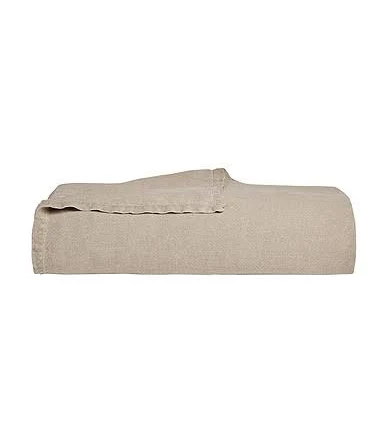
- 100% linen, no reported coating
- We found no PFAS statement from the brand
- Heavy metals
3 hazards checked on this product, all on its full breakdown.
More mattress protectors grades
How we score, every product runs through the same public 0-100 rubric based on materials, coatings, brand disclosure, lab findings, and recalls. See the full methodology → Spotted a mistake? Report an error.