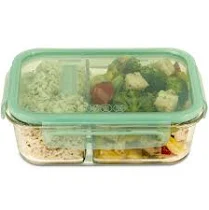
Snapware Meal Box 4-Cup Divided Glass Storage Container with Lid
Glass container is lower concern; plastic lid composition unclear.
Snapware's glass food storage container presents lower PFAS concern for the glass body. The plastic snap lid composition is undisclosed by the brand, introducing minor uncertainty about potential coatings or treatments.
We flunk more products than we pass. This one earned its grade. How we grade
Material
borosilicate glass container, plastic snap lid
Brand disclosure
Brand is silent on PFAS
Lab data
No public lab test
What Snapware Meal Box 4-Cup Divided Glass is made of, ingredients and materials
The container is borosilicate glass, a thermal-resistant form of silicate glass that does not leach substances into food under normal storage or mild heating. The lid is plastic with snap closures; its resin type (polypropylene, polystyrene, or other) is not specified in available product documentation, making full composition assessment incomplete. Borosilicate glass itself has no known hazard profile for food contact and is chemically inert across pH and temperature ranges typical of kitchen use.
What’s concerning
Category baseline
The starting point for this type of product, before anything specific to this product is counted.
No PFAS disclosure
No public statement from the brand about PFAS in this product.
BPA & bisphenols
Lid polymer resin is not disclosed in available product specifications. Without confirmation of material type or presence of known additives, BPA/BPS or phthalate content cannot be ruled out, though no specific recalls or test failures for this product are on record.
Source, FDA ↗Microplastics
Plastic lids can degrade, warp, or fragment from repeated thermal cycling, dishwashing, or UV exposure, potentially shedding microplastics into stored food. Risk is higher if the lid is exposed to heat or abrasive cleaning; lifespan and material durability are not specified by the brand.
Source, EPA ↗Glass breakage and sharp edges
Borosilicate glass containers can fracture or shatter if subjected to thermal shock, impact, or manufacturing defects. This is a mechanical hazard rather than chemical, but broken glass poses injury and food contamination risk; no brand-specific defect reports are on record, but the risk is inherent to the material class.
Lid seal failure and food degradation
Snap-closure lids depend on elastic integrity and compatible polymer surfaces. If the lid warps, hardens, or loses elasticity over time, seal may fail, allowing bacterial growth, mold, or oxidation of stored food; no accelerated durability data from Snapware is available.
BPA & bisphenols
If the lid contains BPA or other bisphenols, prolonged storage of warm or fatty foods in contact with the lid could increase migration of these substances into food. This risk depends on polymer type and use pattern; absent manufacturer disclosure, the risk cannot be quantified.
Source, FDA ↗What’s reassuring
Bare uncoated material
Recorded as a bare, uncoated material with no surface coating or treatment.
The full breakdown
The brand's record and disclosure
Snapware (a Newell Brands subsidiary) does not publish detailed material safety data sheets or ingredient disclosures for plastic components of food storage containers. No PFAS-related recalls or corrective statements specific to Snapware meal boxes appear in FDA or CPSC records as of available data. The brand's silence on polymer sourcing and chemical composition is typical of the food storage category but limits independent verification of plastic lid safety.
How it compares in its category
Glass containers are lower concern than plastic-only storage for food contact because the glass itself does not leach BPA, phthalates, or other polymeric additives. Snapware's divided glass meal box sits in the mainstream tier of this category, competing with similar brands (Pyrex, OXO) that also use borosilicate glass bodies and plastic lids of undisclosed resin. Relative to all-plastic meal prep containers, this product avoids polymer leaching hazards associated with repeated heating of polycarbonate or polystyrene.
If you buy it
Borosilicate glass tolerates oven temperatures to approximately 450F and dishwashing but should not be exposed to rapid temperature swings (e.g., from freezer to direct heat), which can cause thermal shock and breakage. The plastic lid should be removed before heating or microwaving; always confirm lid polymer type with the manufacturer if you plan frequent microwave use. Replace the lid if it becomes warped, discolored, or loses seal integrity, as degraded plastic can fragment or release absorbed residues. Hand-wash the lid if possible rather than dishwasher to extend its life and reduce polymer degradation.
What we don’t know
- Basis
- Model estimate, 75% confidence, not a lab result
- Lab test
- None on record for this exact product
- Brand statement
- Snapware has made none
Formulations change between production runs, so check the current label. How we grade.
Better-graded alternatives in Lunch Boxes
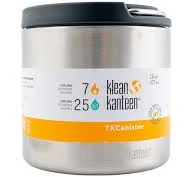
Klean Kanteen
Double Wall Vacuum Insulated Stainless Steel Food Canister Container with Leak Proof Lid
- Stainless steel body, silicone gasket lid seal
- The brand calls it PFAS-free, which we have not verified
- Silicone gasket degradation
3 hazards checked on this product. See all of them.
More lunch boxes grades
How we score, every product runs through the same public 0-100 rubric based on materials, coatings, brand disclosure, lab findings, and recalls. See the full methodology → Spotted a mistake? Report an error.