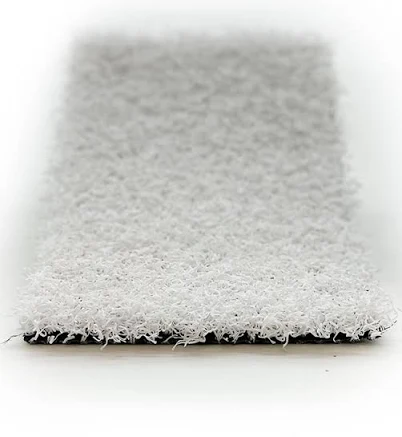
Multi Sport Turf
Insufficient brand disclosure. Synthetic turf infill composition unknown.
Multi Sport Turf makes no public PFAS disclosures or infill material details. Synthetic turf products commonly use PFAS-containing sand or rubber infills, though this product's composition remains unclear.
We flunk more products than we pass. This one earned its grade. How we grade
Material
synthetic turf (polyethylene/polypropylene fibers, infill material unspecified)
Brand disclosure
Brand is silent on PFAS
Lab data
No public lab test
You may also be interested in
Top-graded picks in the categories readers replace first, every one scored on the same rubric.

- polypropylene filter housing, carbon/sediment cartridge
- We found no PFAS statement from the brand
- Bacterial growth in spent cartridges
3 hazards checked on this product, all on its full breakdown.

Aquasure
Premier Series 75 GPD Under Sink Reverse Osmosis Water Filtration System
- RO membrane, carbon filters, stainless steel housing
- We found no PFAS statement from the brand
- Bacterial and microbial growth in housing and filters
4 hazards checked on this product, all on its full breakdown.

Avocado
Vegan Mattress
- organic cotton, natural latex, coconut coir, recycled steel coils
- The brand calls it PFAS-free, which we have not verified
- Heavy metals
2 hazards checked on this product, all on its full breakdown.
What Multi Sport Turf is made of, ingredients and materials
Multi Sport Turf uses polyethylene and polypropylene fibers as the pile material, which are stable plastics under normal conditions but can degrade when exposed to UV light and temperature extremes. The infill material is not specified by the brand, which is a significant gap, infill can consist of recycled tire crumb (containing heavy metals like zinc and lead), silica sand, or proprietary blends, each with different aging and leaching profiles. Without knowing the infill composition, you cannot assess whether heavy metals or other contaminants will leach into soil or groundwater over time, particularly in wet climates or high-traffic areas.
What’s concerning
Category baseline
The starting point for this type of product, before anything specific to this product is counted.
No PFAS disclosure
No public statement from the brand about PFAS in this product.
Heavy metals
If Multi Sport Turf uses tire crumb as infill (unconfirmed due to the brand's lack of disclosure), zinc, lead, and cadmium can leach over years of weathering, especially in humid or acidic soils. No test data for this specific product is available.
Source, FDA ↗Undisclosed infill composition and leachates
The brand does not publicly specify infill material, making independent safety assessment impossible. Synthetic turf infill can include unknown additives, colorants, and binders that may migrate into soil or dust; this lack of transparency is a documented industry weakness.
Fiber degradation and microplastic generation
Polyethylene and polypropylene fibers degrade under UV exposure and mechanical wear, releasing microplastics into surrounding soil and dust. No accelerated aging or microplastic shedding data specific to Multi Sport Turf has been published.
Volatile organic compound off-gassing during installation
Synthetic turf backing adhesives and infill binders may emit VOCs when new, particularly in warm conditions. The brand provides no odor or emission profile, so off-gassing risk cannot be quantified for this product.
Mold and bacterial growth in infill if poorly drained
Standing water in poorly installed or maintained synthetic turf can promote mold and pathogens in the infill layer. Drainage specifications for Multi Sport Turf are not detailed in available product documentation.
What’s reassuring
Base material not linked to PFAS
The main material recorded for this product is not one associated with PFAS.
How is this PFAS grade calculated?
The brand's record and disclosure
The brand has not publicly disclosed infill materials, manufacturing certifications (such as ISO or third-party environmental standards), or testing for heavy metals and other contaminants in Multi Sport Turf. The brand's silence on PFAS and lack of transparency regarding infill sourcing suggests limited commitment to chemical safety disclosure compared to competitors offering full material declarations. No major safety recalls or controversies are on record for this specific product, but the absence of disclosure is itself a red flag in the synthetic turf category, where infill composition directly affects consumer and environmental safety.
How it compares in its category
Synthetic turf products vary widely in safety profile depending on infill choice. Premium brands like FieldTurf and some European manufacturers provide third-party testing and specify low-heavy-metal or organic infill alternatives (cork, coconut fiber). The brand's Multi Sport Turf, with undisclosed infill, falls into a middle tier of caution, lower concern than budget crumb-rubber-only systems but less transparent and verifiable than certified alternatives. If this turf contains recycled tire crumb without testing, it could pose higher metal leaching risks, especially for families with children who contact the surface directly.
If you buy it
Request infill material specification from the seller or manufacturer before purchase; do not assume lower concern without documentation. Installation should include a sub-base barrier (geotextile) to minimize soil contact if the infill is recycled crumb. Plan for replacement or deep cleaning every 8-10 years, as UV degradation of fibers and infill settling accelerate contaminant leaching. Keep surfaces shaded where possible, avoid prolonged standing water, and monitor for odor or color changes in infill, which may indicate decomposition or migration of unwanted materials.
What is not known about PFAS in this product?
- Basis
- Model estimate, 35% confidence, not a lab result
- Lab test
- None on record for this exact product
- Brand statement
- has made none
Formulations change between production runs, so check the current label. How we grade.
More artificial turf grades
How we score, every product runs through the same public 0-100 rubric based on materials, coatings, brand disclosure, lab findings, and recalls. See the full methodology → Spotted a mistake? Report an error.