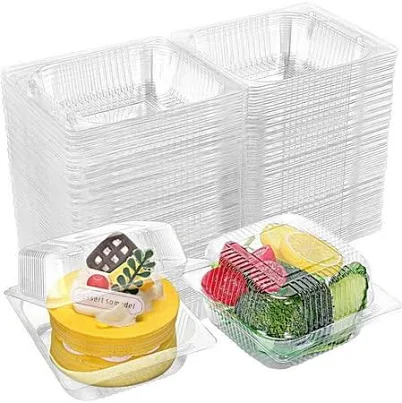
160pcs Clear Plastic Takeout Containers
Lower concern. Polypropylene is not a material linked to PFAS.
This product is made of polypropylene plastic and has no water-repellent finish on record. The brand has no PFAS statement on record.
We flunk more products than we pass. This one earned its grade. How we grade
Material
polypropylene (PP) plastic
Brand disclosure
Brand is silent on PFAS
Lab data
No public lab test
You may also be interested in
Top-graded picks in the categories readers replace first, every one scored on the same rubric.

- polypropylene filter housing, carbon/sediment cartridge
- We found no PFAS statement from the brand
- Bacterial growth in spent cartridges
3 hazards checked on this product, all on its full breakdown.

Aquasure
Premier Series 75 GPD Under Sink Reverse Osmosis Water Filtration System
- RO membrane, carbon filters, stainless steel housing
- We found no PFAS statement from the brand
- Bacterial and microbial growth in housing and filters
4 hazards checked on this product, all on its full breakdown.

Avocado
Vegan Mattress
- organic cotton, natural latex, coconut coir, recycled steel coils
- The brand calls it PFAS-free, which we have not verified
- Heavy metals
2 hazards checked on this product, all on its full breakdown.
What 160pcs Clear Plastic Takeout Containers is made of, ingredients and materials
The brand's containers are polypropylene (PP, plastic #5), a thermoplastic polymer chosen for food contact because it resists leaching better than lower-numbered plastics. PP has a higher melting point (around 130-150°C) than polyethylene terephthalate (PET, #1) or polyvinyl chloride (PVC, #3), making it less prone to degradation when containing hot foods at moderate temperatures. No intentional BPA, BPS, or phthalates are typically added to virgin PP food-contact resin; however, colorants and processing aids used in manufacturing can introduce trace contaminants.
What’s concerning
Category baseline
The starting point for this type of product, before anything specific to this product is counted.
No PFAS disclosure
No public statement from the brand about PFAS in this product.
Microplastics
Polypropylene is stable at food-service temperatures (room temp to ~100°C), but repeated microwave heating above 80°C or extended exposure to hot liquids (>90°C) may initiate slow polymer chain scission and microscopic particle shedding. Risk is low under normal refrigerated/room-temperature use.
Source, EPA ↗Degradation and leaching with acidic or fatty foods
Polypropylene resists weak acids but prolonged contact with concentrated acids (e.g., vinegar-based dressings for days) or fatty foods (oils, butter) at elevated temperatures can accelerate surface cracking and trace additive migration. Most takeout use is short-duration (hours), limiting exposure.
What’s reassuring
Base material not linked to PFAS
The main material recorded for this product is not one associated with PFAS.
BPA & bisphenols
Virgin PP resin does not typically contain BPA or common phthalates by formulation. Trace contamination from manufacturing equipment or colorants is theoretically possible but not documented in major foodservice container batches.
Source, FDA ↗Antimony in polyester-derived additives
Antimony is a processing catalyst in some polyester resins but is not a standard additive in PP food-contact applications. No record of antimony contamination in commodity PP containers.
Lead
Clear (unpigmented) containers avoid colored dye packages that sometimes contain trace heavy metals. The brand's transparency means no pigment-based hazard; no recalls or test data indicate contamination in clear commodity stock.
Source, ATSDR ↗How is this PFAS grade calculated?
The brand's record and disclosure
The brand is a minor foodservice packaging supplier with no public transparency statements, third-party certifications (FDA, NSF), or documented safety controversies on record. The company does not disclose material sourcing, recycled content percentages, or testing protocols in available marketing materials. Absence of disclosure does not indicate a safety failure, but reflects limited regulatory pressure on small commodity suppliers.
How it compares in its category
Clear PP takeout containers are the industry standard for cold and warm food storage because PP is chemically inert and does not leach under normal use. They are significantly safer than PVC clamshell packaging (which can release vinyl chloride) and comparable to competitor brands (e.g., Reload, Solo, Hefty Basic) that use identical PP resin without premium certifications. Price-point commodity products rarely undergo additional third-party testing, making typical rather than distinctive.
If you buy it
Keep containers below 100°C (212°F); do not use in microwave if lid is closed or heating time exceeds 2 minutes, as localized heat can degrade polymer bonds. Replace containers if clarity becomes cloudy or yellowed, which signals stress-cracking and potential microleaching. Avoid prolonged contact with fatty, acidic, or alcohol-based foods at elevated temperatures. Hand wash or place on top rack of dishwasher to reduce heat exposure; sun storage is acceptable for dry goods but prolonged UV exposure will embrittle plastic over months.
What is not known about PFAS in this product?
- Basis
- Model estimate, 72% confidence, not a lab result
- Lab test
- None on record for this exact product
- Brand statement
- has made none
Formulations change between production runs, so check the current label. How we grade.
What are the PFAS-free alternatives to 160pcs Clear Plastic Takeout Containers?
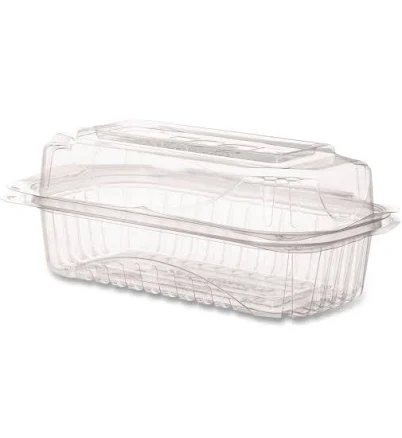
Eco-Products
Compostable Clear Clamshell Hinged Food
- Compostable resin (PLA/PBAT blend, plant-based)
- A third party reports verifying it as PFAS-free
- Thermal degradation and chemical release at use temperatures
More disposable food containers grades
How we score, every product runs through the same public 0-100 rubric based on materials, coatings, brand disclosure, lab findings, and recalls. See the full methodology → Spotted a mistake? Report an error.