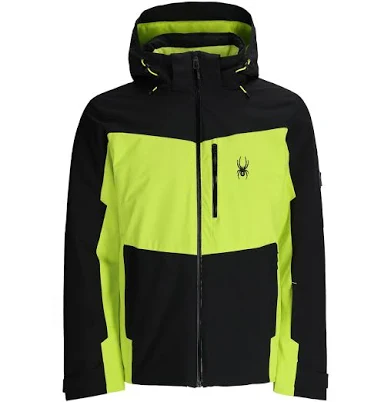
Spyder · Ski & Snowboard Jackets
Spyder Men's Copper Jacket
Spyder does not disclose PFAS status. Typical water-repellent coating apparel risk remains unclear.
Spyder makes no public PFAS claims or disclosures for this jacket. Standard water-repellent coating coatings often contain PFAS, but Spyder's specific formulation is undisclosed.
Still want this one anyway? Check the price on Amazon. We’d swap it.
Material
Polyester with water-repellent coating water-repellent finish
Brand disclosure
Brand is silent on PFAS
Lab data
No public lab test
You may also be interested in
Top-graded picks in the categories readers replace first, every one scored on the same rubric.

- polypropylene filter housing, carbon/sediment cartridge
- We found no PFAS statement from the brand
- Bacterial growth in spent cartridges
3 hazards checked on this product, all on its full breakdown.

Aquasure
Premier Series 75 GPD Under Sink Reverse Osmosis Water Filtration System
- RO membrane, carbon filters, stainless steel housing
- We found no PFAS statement from the brand
- Bacterial and microbial growth in housing and filters
4 hazards checked on this product, all on its full breakdown.

Avocado
Vegan Mattress
- organic cotton, natural latex, coconut coir, recycled steel coils
- The brand calls it PFAS-free, which we have not verified
- Heavy metals
2 hazards checked on this product, all on its full breakdown.
What Spyder Men's Copper Jacket is made of, ingredients and materials
This jacket is polyester with a water-repellent coating (water-repellent coating) finish applied to the surface. Polyester itself is a stable synthetic fiber with no inherent chemical hazard at normal wearing temperatures. However, water-repellent coating finishes are the concern, they are topical coatings designed to bead water away, and historically many contained PFAS (fluorinated compounds). Spyder does not publicly disclose whether their water-repellent coating treatment is PFAS-free or uses alternatives like paraffin or silicone-based repellents.
What’s concerning
Waterproof / stain-resistant treatment
Water-repellent coating treatments have historically used PFAS.
Category baseline
The starting point for this type of product, before anything specific to this product is counted.
No PFAS disclosure
No public statement from the brand about PFAS in this product.
PFAS
Water-repellent coating finish composition is undisclosed by Spyder. Historically, many polyester apparel water-repellent coating treatments used perfluorinated compounds; modern alternatives exist but cannot be confirmed without brand transparency or independent testing.
Source, ATSDR ↗Coating degradation and microplastic shedding
As water-repellent coating wears and flakes off over time (especially after repeated washing), microscopic particles of the finish may shed. If the finish contains PFAS or other chemicals, this could contribute to microplastic and chemical exposure during wear and laundering.
What’s reassuring
Azo dyes in synthetic colorants
No specific records of restricted azo dyes in Spyder products, and copper/rust colorants typically show no hazard of this kind on record in modern formulations. Standard polyester dyeing does not present a documented hazard for this brand.
Antimony in polyester fiber
Antimony (a catalyst in polyester manufacture) is locked in the polymer matrix and does not leach under normal wearing or laundering conditions. No hazard reported for finished garments.
Formaldehyde / VOCs
Modern polyester apparel typically uses minimal formaldehyde, and Spyder products do not carry documented formaldehyde warnings or recalls. This is a low-risk hazard class for contemporary polyester outerwear.
Source, ATSDR ↗How is this PFAS grade calculated?
The brand's record and disclosure
Spyder, a ski and outdoor apparel company, maintains no public statement on PFAS use in their products and does not advertise PFAS-free certifications or material transparency on their website. The brand has not been flagged in major PFAS litigation or documented recalls, but the absence of disclosure is itself a red flag in an industry where leading competitors (e.g.Patagonia, The North Face and others now offer product lines with reduced PFAS concern or lower PFAS use. Without third-party testing or company commitment, water-repellent coating status on this jacket is unknowable.
How it compares in its category
Among polyester outerwear with water-repellent finishes, this jacket sits in the middle of the disclosure spectrum, better than bargain-bin brands with zero transparency, but behind competitors who explicitly test for or eliminate PFAS. Many mid-tier outdoor brands still use fluorinated water-repellent coating without labeling it, making this a typical rather than exceptional risk profile. If PFAS exposure is a priority, unfinished or wax-treated alternatives exist but are less common in ski wear.
If you buy it
Wash separately from other garments in cold water on gentle cycle, as water-repellent coating finishes can leach slightly during laundering, especially in hot water. Avoid dry cleaning, which may use solvents that can interact with water-repellent coating coatings. Expect the water-repellent finish to degrade after 20-40 washes; reapplication products exist (often also water-repellent coating-based, so same caveat applies). Store in a cool, dry place away from direct heat to preserve the coating. If PFAS contamination concerns you, contact Spyder directly to request material safety data sheets (SDS) for the finish.
What is not known about PFAS in this product?
- Basis
- Model estimate, 45% confidence, not a lab result
- Lab test
- None on record for this exact product
- Brand statement
- Spyder has made none
Formulations change between production runs, so check the current label. How we grade.
What are the PFAS-free alternatives to Spyder Men's Copper Jacket?
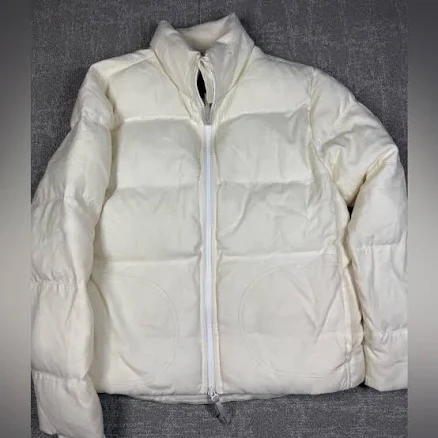
- Wool blend with synthetic fill (likely polyester)
- We found no PFAS statement from the brand
- water-repellent coating (water-repellent coating) coating composition
3 hazards checked on this product, all on its full breakdown.
Find an alternative on Amazon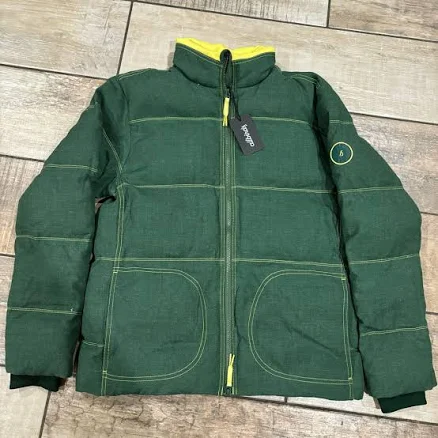
Allbirds
Jackets & Coats Allbirds Men's Trino Puffer Jacket Full Zip Wool Blend Forest Green Coat Size Sm
- wool blend (natural fiber dominant)
- We found no PFAS statement from the brand
- water-repellent coating (water-repellent coating) treatment - undisclosed chemistry
2 hazards checked on this product, all on its full breakdown.
Find an alternative on Amazon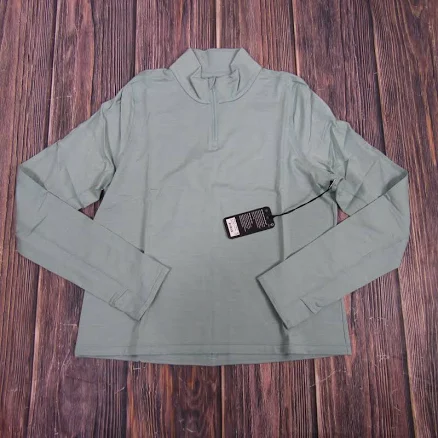
- Merino wool blend (natural fiber)
- We found no PFAS statement from the brand
- Azo dyes and synthetic dye residue
3 hazards checked on this product, all on its full breakdown.
Find an alternative on AmazonMore ski & snowboard jackets grades
How we score, every product runs through the same public 0-100 rubric based on materials, coatings, brand disclosure, lab findings, and recalls. See the full methodology → Spotted a mistake? Report an error.