Spyder · Ski & Snowboard Jackets
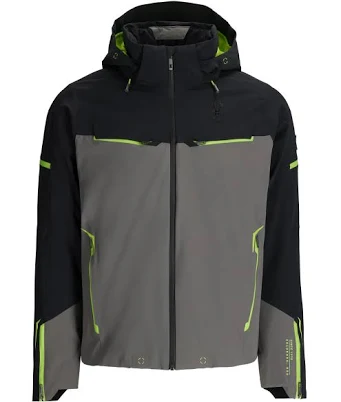
Spyder Men's Monterosa Jacket
Skip until Spyder confirms water-repellent coating treatment is PFAS-free
Spyder does not disclose PFAS chemistry for this jacket's water-repellent coating. Most outdoor apparel water-repellent coating treatments historically contain PFAS; no independent testing or brand statement available to confirm otherwise here.
Still want this one anyway? Check the price on Amazon. We’d swap it.
Material
Polyester with water-repellent coating water-repellent finish
Brand disclosure
Brand is silent on PFAS
Lab data
No public lab test
You may also be interested in
Top-graded picks in the categories readers replace first, every one scored on the same rubric.

- polypropylene filter housing, carbon/sediment cartridge
- We found no PFAS statement from the brand
- Bacterial growth in spent cartridges
3 hazards checked on this product, all on its full breakdown.

Aquasure
Premier Series 75 GPD Under Sink Reverse Osmosis Water Filtration System
- RO membrane, carbon filters, stainless steel housing
- We found no PFAS statement from the brand
- Bacterial and microbial growth in housing and filters
4 hazards checked on this product, all on its full breakdown.

Avocado
Vegan Mattress
- organic cotton, natural latex, coconut coir, recycled steel coils
- The brand calls it PFAS-free, which we have not verified
- Heavy metals
2 hazards checked on this product, all on its full breakdown.
What Spyder Men's Monterosa Jacket is made of, ingredients and materials
The Monterosa is polyester with a water-repellent coating (water-repellent coating) finish applied to the outer shell. Polyester itself is stable and low-toxicity, but the water-repellent coating is the concern, historically, most commercial water-repellent coating treatments relied on long-chain PFAS (perfluorocarbons) to achieve water and stain resistance. Spyder has not publicly disclosed whether this jacket uses PFAS-free alternatives like short-chain PFAS, fluorine-free chemistry, or wax-based systems. Without that information, assume legacy chemistry.
What’s concerning
Waterproof / stain-resistant treatment
Water-repellent coating treatments have historically used PFAS.
Category baseline
The starting point for this type of product, before anything specific to this product is counted.
No PFAS disclosure
No public statement from the brand about PFAS in this product.
PFAS
Standard commercial water-repellent coating processes on polyester jackets historically used long-chain PFAS. Spyder's lack of disclosure suggests legacy chemistry unless stated otherwise. water-repellent coating coatings can shed microparticles and leach when wet-cleaned.
Source, ATSDR ↗Antimony in polyester
Antimony trioxide is a common catalyst in polyester production. While it remains in the fiber structure and does not readily leach under normal wear, high heat (ironing, dryer) can accelerate surface migration. No specific testing for Spyder polyester is on record.
Volatile organic compounds (VOCs) from finish
Water-repellent coating and other durable finishes can off-gas slightly during initial wear, especially in a warm or humid environment. Odor typically fades within a few wears. No specific complaint database entries for Spyder jackets exist.
What’s reassuring
Azo dyes (if colored)
Spyder apparel is not known for azo dye controversies or restrictions. Modern polyester dyes are typically disperse dyes; however, color fastness and off-gassing should be checked after first wash. No recalls or incidents specific to this brand are documented.
Formaldehyde / VOCs
Formaldehyde-based resins are less common in water-repellent coating systems than in cotton garments, but some blended or treated outer shells may contain trace amounts. Spyder does not publish finish chemistry details.
Source, ATSDR ↗How is this PFAS grade calculated?
The brand's record and disclosure
Spyder, a performance outerwear brand owned by Authentic Brands Group, has not published a formal PFAS commitment or chemical transparency policy in publicly available materials as of 2024. The company does not appear on lists of brands that have pledged to eliminate PFAS by a specific date. Absence of disclosure is not confirmation of PFAS use, but it reflects a lack of chemical leadership in this product category where competitors have begun marketing PFAS-free water-repellent coating.
How it compares in its category
Many mid-to-premium ski and outdoor jacket brands (Patagonia, The North Face, Arcteryx) now offer PFAS-free or fully disclosed water-repellent coating options, often labeled as such on product pages. Spyder's silence puts the Monterosa behind the transparency curve. For the same price point, consumers can find jackets with Bluesign certification or explicit PFAS-free water-repellent coating claims, reducing uncertainty.
If you buy it
Wash in cool water with mild detergent; avoid fabric softeners and heat drying, which can degrade the water-repellent coating prematurely and increase leachate risk. Do not tumble dry or iron. If the jacket loses water repellency after 2-3 years, replacement is preferable to re-treatment, since aftermarket water-repellent coating products may add additional chemical unknowns. Store in a cool, dry place to minimize off-gassing.
What is not known about PFAS in this product?
- Basis
- Model estimate, 45% confidence, not a lab result
- Lab test
- None on record for this exact product
- Brand statement
- Spyder has made none
Formulations change between production runs, so check the current label. How we grade.
What are the PFAS-free alternatives to Spyder Men's Monterosa Jacket?
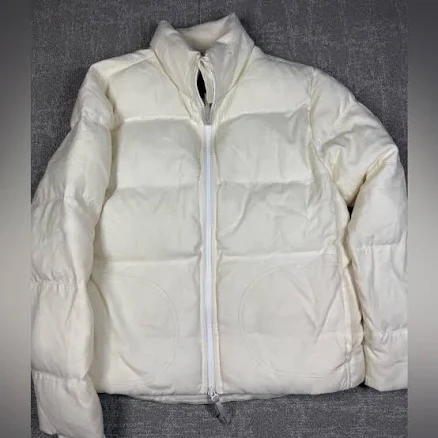
- Wool blend with synthetic fill (likely polyester)
- We found no PFAS statement from the brand
- water-repellent coating (water-repellent coating) coating composition
3 hazards checked on this product, all on its full breakdown.
Find an alternative on Amazon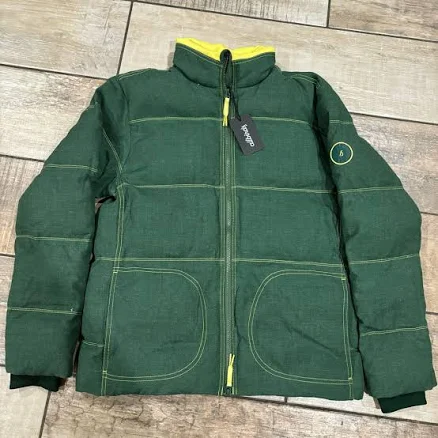
Allbirds
Jackets & Coats Allbirds Men's Trino Puffer Jacket Full Zip Wool Blend Forest Green Coat Size Sm
- wool blend (natural fiber dominant)
- We found no PFAS statement from the brand
- water-repellent coating (water-repellent coating) treatment - undisclosed chemistry
2 hazards checked on this product, all on its full breakdown.
Find an alternative on Amazon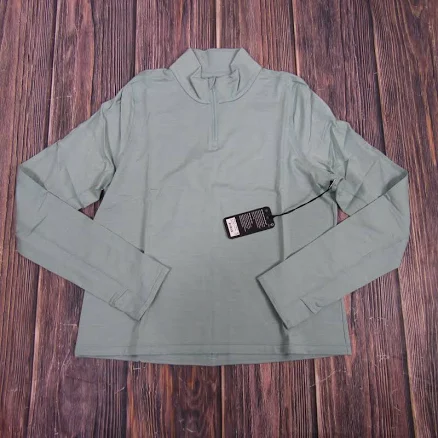
- Merino wool blend (natural fiber)
- We found no PFAS statement from the brand
- Azo dyes and synthetic dye residue
3 hazards checked on this product, all on its full breakdown.
Find an alternative on AmazonMore ski & snowboard jackets grades
How we score, every product runs through the same public 0-100 rubric based on materials, coatings, brand disclosure, lab findings, and recalls. See the full methodology → Spotted a mistake? Report an error.