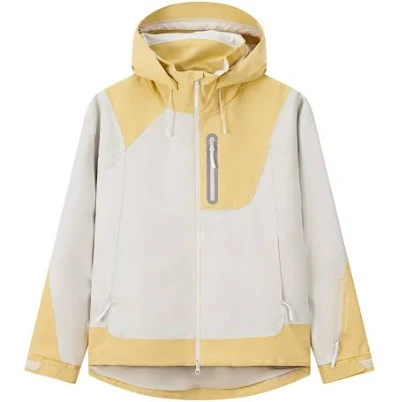
3L Venturing Shell Jacket
Avoid until the brand discloses water-repellent coating chemistry or commits to PFAS-free treatment.
The 3-layer waterproof Venturing Shell uses water-repellent coating finishing typical of performance outerwear. The brand does not disclose PFAS use or avoidance, leaving the finish chemistry unknown.
Still want this one anyway? Check the price on Amazon. We’d swap it.
Material
3-layer shell (polyester/nylon with water-repellent coating)
Brand disclosure
Brand is silent on PFAS
Lab data
No public lab test
You may also be interested in
Top-graded picks in the categories readers replace first, every one scored on the same rubric.

- polypropylene filter housing, carbon/sediment cartridge
- We found no PFAS statement from the brand
- Bacterial growth in spent cartridges
3 hazards checked on this product, all on its full breakdown.

Aquasure
Premier Series 75 GPD Under Sink Reverse Osmosis Water Filtration System
- RO membrane, carbon filters, stainless steel housing
- We found no PFAS statement from the brand
- Bacterial and microbial growth in housing and filters
4 hazards checked on this product, all on its full breakdown.

Avocado
Vegan Mattress
- organic cotton, natural latex, coconut coir, recycled steel coils
- The brand calls it PFAS-free, which we have not verified
- Heavy metals
2 hazards checked on this product, all on its full breakdown.
What 3L Venturing Shell Jacket is made of, ingredients and materials
The 3-layer shell combines a polyester or nylon face fabric with a polyurethane or polyester membrane and fleece backer, bonded together for waterproofing and breathability. Waterproofing in this class almost always relies on fluorinated water-repellent coating (water-repellent coating) coatings applied to the outer face. The brand has not disclosed whether their water-repellent coating is PFAS-based or PFAS-free, leaving the chemistry opaque. Once applied and cured, these coatings shed microparticles during wear and washing, releasing both PFAS and polymer particles into the environment.
What’s concerning
Category baseline
The starting point for this type of product, before anything specific to this product is counted.
No PFAS disclosure
No public statement from the brand about PFAS in this product.
Waterproof / stain-resistant treatment
Water-repellent coating treatments have historically used PFAS.
Azo dyes in polyester/nylon face fabric
No specific lab data on this model is public, but polyester ski jackets may contain azo dyes that break down into aromatic amines under alkaline wash or skin contact. Risk is low under normal use but rises if jacket is repeatedly washed in hot water or worn on sensitive skin.
Polyurethane membrane off-gassing
3-layer jackets often use polyurethane laminate, which can emit volatile organic compounds (VOCs) including isocyanate residues during manufacturing and storage. Off-gassing typically subsides after airing for several days but may persist in poorly ventilated storage; no brand-specific data available.
Microplastic shedding from synthetic shell and water-repellent coating
Polyester and nylon jackets shed microfibers during wear and washing; water-repellent coating coatings degrade into particles over time. This is a documented phenomenon in synthetic outerwear and occurs regardless of brand, but frequency depends on care practices and coating durability.
Antimony in polyester fiber and dyes
Polyester production may involve antimony as a catalyst; residual antimony can be present in finished fibers at trace levels. Exposure risk to the wearer is minimal, but antimony leaching into soil or water during textile disposal is a documented concern for all polyester apparel.
What’s reassuring
Formaldehyde / VOCs
No public record of formaldehyde-based finishes in ski jackets. Most modern 3-layer shells avoid formaldehyde-based water-repellent finishes in favor of fluorinated or polyurethane-based systems, though independent testing has not been published for this model.
Source, ATSDR ↗How is this PFAS grade calculated?
The brand's record and disclosure
The brand is a Swiss ski equipment manufacturer with a narrow product focus (skis, boots, bindings, apparel). The brand has not published transparency reports on chemical use, supplier audits, or PFAS commitments, and does not advertise PFAS-free or bluesign certified production. This silence is typical of smaller regional brands but leaves consumers without documented assurance. No major recalls or safety controversies are on record for this jacket line.
How it compares in its category
Most ski jackets in the 3-layer shell category are treated with PFAS-based water-repellent coating as the industry standard; The brand's position is unremarkable. Competitors including Arc'teryx, Patagonia, and The North Face have begun disclosing water-repellent coating chemistry and transitioning to PFAS-free alternatives (wax, paraffin, or proprietary non-fluorinated blends), often listed on product tags or certifications (bluesign, Cradle to Cradle). The brand's complete silence puts it below the transparency baseline of premium ski brands.
If you buy it
Wash infrequently in cold water to minimize water-repellent coating shedding and microplastic release; use a mesh laundry bag to catch fibers. Do not tumble dry, as heat accelerates coating degradation and off-gassing. Expect water-repellent coating to degrade within 2-3 seasons of regular use, after which the jacket's water beading diminishes and re-treatment with consumer-grade water-repellent coating (often PFAS-based) may be necessary. Store dry in a breathable container to prevent mildew and off-gassing accumulation.
What is not known about PFAS in this product?
- Basis
- Model estimate, 35% confidence, not a lab result
- Lab test
- None on record for this exact product
- Brand statement
- has made none
Formulations change between production runs, so check the current label. How we grade.
What are the PFAS-free alternatives to 3L Venturing Shell Jacket?
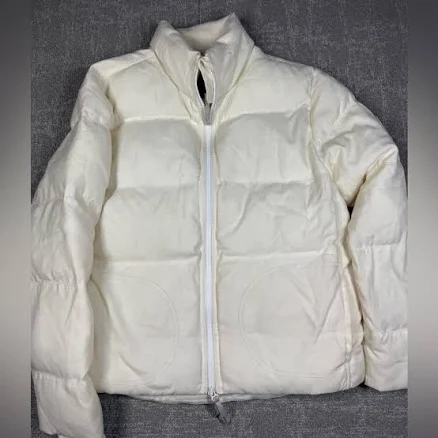
- Wool blend with synthetic fill (likely polyester)
- We found no PFAS statement from the brand
- water-repellent coating (water-repellent coating) coating composition
3 hazards checked on this product, all on its full breakdown.
Find an alternative on Amazon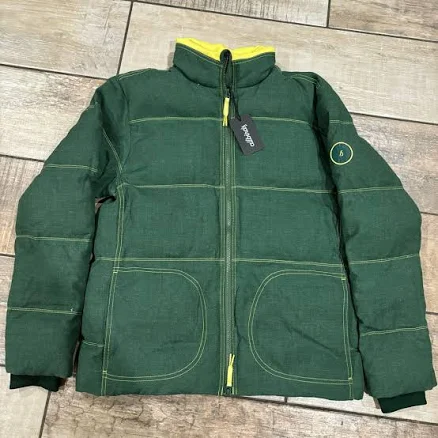
Allbirds
Jackets & Coats Allbirds Men's Trino Puffer Jacket Full Zip Wool Blend Forest Green Coat Size Sm
- wool blend (natural fiber dominant)
- We found no PFAS statement from the brand
- water-repellent coating (water-repellent coating) treatment - undisclosed chemistry
2 hazards checked on this product, all on its full breakdown.
Find an alternative on Amazon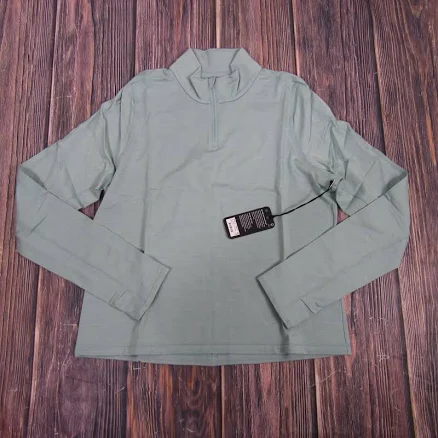
- Merino wool blend (natural fiber)
- We found no PFAS statement from the brand
- Azo dyes and synthetic dye residue
3 hazards checked on this product, all on its full breakdown.
Find an alternative on AmazonMore ski & snowboard jackets grades
How we score, every product runs through the same public 0-100 rubric based on materials, coatings, brand disclosure, lab findings, and recalls. See the full methodology → Spotted a mistake? Report an error.