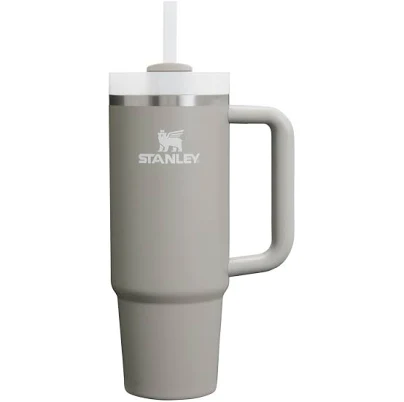
Stanley · Insulated Travel Mugs
Stanley Quencher H2.0 Flowstate Tumbler
Stainless steel tumbler, lower PFAS concern than coated types.
Primarily stainless steel with plastic lid and base components. No PFAS disclosure available, but core material carries lower risk than coated or treated drinkware.
The better-graded swap
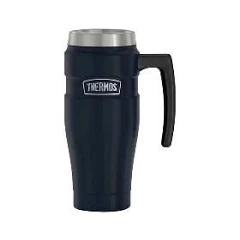
Thermos
THERMOS Stainless Steel King Travel Mug
80/100 safety
Same rubric that flunked this product. The swap earned Excellent.
Still want this one anyway? Check the price on Amazon. We’d swap it.
Material
Stainless steel body, plastic lid and base
Lab data
No public lab test
What Stanley Quencher H2.0 Flowstate Tumbler is made of, ingredients and materials
The Stanley Quencher H2.0 body is 18/8 stainless steel, which is passive and chemically stable across normal use temperatures and pH ranges. The lid and base are engineered plastics (material composition not publicly detailed by Stanley, but typical for this product class). Stainless steel does not degrade into the beverage under normal conditions, avoiding the leaching concerns present in ceramics with glazes or aluminum vessels.
What’s concerning
No PFAS disclosure
No public statement from the brand about PFAS in this product.
Category baseline
The starting point for this type of product, before anything specific to this product is counted.
Plastic lid/base composition uncertainty
Stanley does not disclose whether the lid and base are BPA-free, phthalate-free, or made from recycled content. For a beverage-contact product, this opacity is unusual. No recalls or complaints are documented, but long-term safety cannot be confirmed without material transparency.
Plastic degradation from thermal cycling
Repeated hot and cold fills may cause the plastic lid and base to micro-crack or leach monomers over years. Stanley provides no guidance on replacement intervals. Risk is low for typical use but increases with daily hot beverage use in cold climates.
Gasket/seal material not specified
The lid gasket material (likely silicone or rubber) is not publicly identified. If elastomer degradation occurs, small particles or chemical leachates could enter beverages. No recalls exist, but manufacturer silence on this component is a data gap.
What’s reassuring
Base material not linked to PFAS
The main material recorded for this product is not one associated with PFAS.
Stainless steel migration (minimal)
18/8 stainless steel does not corrode or leach iron, nickel, or chromium under normal drinking conditions. No documented cases of this concern in this product. Risk is negligible.
Coating or adhesive in seams
The vacuum-insulation interface and lid-to-body seams may use adhesives; Stanley does not disclose if these contain volatile compounds. Standard manufacturing practices suggest these are minimal and food-safe, but verification is absent from public record.
The full breakdown
The brand's record and disclosure
Stanley has not published detailed material safety data sheets or independent testing results for the Quencher line. The brand has faced no documented recalls related to chemical leaching or coating failure in this product. Stanley's transparency on plastic composition and manufacturing is limited; the company does not advertise BPA-free certification or phthalate avoidance explicitly for this model, though it is sold in major US retailers subject to FDA and CPSC oversight.
How it compares in its category
The Quencher avoids risks present in coated cookware (ceramic non-stick, enameled cast iron) where glaze degradation or chipping can release lead or cadmium. Compared to aluminum tumblers, stainless steel carries no documented aluminum leaching risk. Plastic lids on tumblers are standard; competitors (Hydro Flask, YETI) use similar closure materials without published safety incidents. The vacuum-insulated wall design uses stainless steel, not Teflon-type coating, so no fume risk from overheating.
If you buy it
Avoid prolonged contact with acidic beverages (vinegar, citrus juice) stored in the tumbler for days, as this can stress polymer seals over time. Do not microwave the lid or base; hand wash these components. Replace the lid if cracking or discoloration appears, as plastic durability degrades with UV exposure and repeated thermal cycling. The stainless steel body itself is durable; monitor the plastic base for wear at the contact points with tables, as micro-abrasion can accumulate over years of use.
What we don’t know
- Basis
- Model estimate, 78% confidence, not a lab result
- Lab test
- None on record for this exact product
- Brand statement
- Stanley has made a specific claim
Formulations change between production runs, so check the current label. How we grade.
Better-graded alternatives in Insulated Travel Mugs
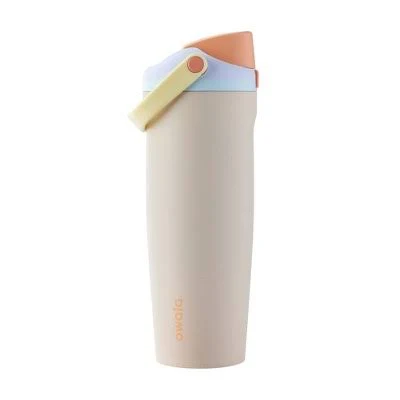
Owala
FreeSip Sway Stainless Steel
- Stainless steel body, no interior coating disclosed
- Silicone and plastic lid/valve leachables
3 hazards checked on this product. See all of them.
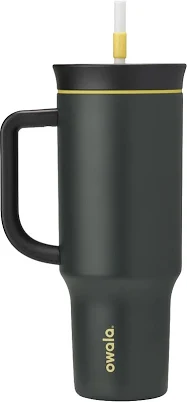
Owala
Stainless Steel Straw Tumbler Route 66
- Stainless steel tumbler, bare uncoated
- Coating degradation and microplastic shedding from exterior print
3 hazards checked on this product. See all of them.
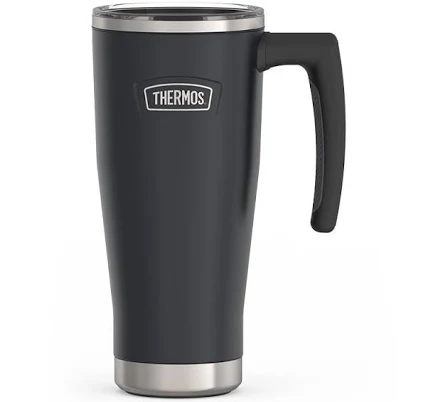
Thermos
18 oz. Icon Vacuum Insulated Stainless Steel Mug
- stainless steel exterior, vacuum insulation, stainless steel interior
- We found no PFAS statement from the brand
- Nickel leaching from stainless steel
3 hazards checked on this product. See all of them.
More insulated travel mugs grades
How we score, every product runs through the same public 0-100 rubric based on materials, coatings, brand disclosure, lab findings, and recalls. See the full methodology → Spotted a mistake? Report an error.