Stio · Ski & Snowboard Jackets
Pinion Down Hooded Jacket
Skip until Stio discloses water-repellent coating treatment chemistry.
Stio does not publicly disclose what water-repellent finish treats this down jacket. Most performance outerwear uses PFAS-based water-repellent coating; confirmation or alternative needed before purchase.
Still want this one anyway? Check the price on Amazon. We’d swap it.
Material
down insulation with unknown water-repellent coating
Brand disclosure
Brand is silent on PFAS
Lab data
No public lab test
You may also be interested in
Top-graded picks in the categories readers replace first, every one scored on the same rubric.

- polypropylene filter housing, carbon/sediment cartridge
- We found no PFAS statement from the brand
- Bacterial growth in spent cartridges
3 hazards checked on this product, all on its full breakdown.

Aquasure
Premier Series 75 GPD Under Sink Reverse Osmosis Water Filtration System
- RO membrane, carbon filters, stainless steel housing
- We found no PFAS statement from the brand
- Bacterial and microbial growth in housing and filters
4 hazards checked on this product, all on its full breakdown.

Avocado
Vegan Mattress
- organic cotton, natural latex, coconut coir, recycled steel coils
- The brand calls it PFAS-free, which we have not verified
- Heavy metals
2 hazards checked on this product, all on its full breakdown.
What Pinion Down Hooded Jacket is made of, ingredients and materials
The Pinion Down Hooded Jacket uses down insulation (typically goose or duck down and feathers) with an unknown water-repellent coating (water-repellent coating) coating. Down is a natural, breathable insulator with low direct toxicity risk; however, the water-repellent coating treatment, which prevents water absorption and extends garment life, is the material of concern here. Stio has not disclosed whether its water-repellent coating uses PFAS "forever chemicals" (PFAS), which persist in the environment and have documented health concerns at high exposures.
What’s concerning
Waterproof / stain-resistant treatment
Water-repellent coating treatments have historically used PFAS.
Category baseline
The starting point for this type of product, before anything specific to this product is counted.
No PFAS disclosure
No public statement from the brand about PFAS in this product.
PFAS
Down jackets nearly always receive a water-repellent coating treatment. Stio does not disclose whether its water-repellent coating uses traditional long-chain PFAS (PFOAs, PFOSs) or newer alternatives (short-chain PFAS, fluorine-free chemistries). The 20/100 PFAS safety grade reflects this unknown risk. Fluorinated water-repellent coating can leach into skin and wash water over the garment's lifetime.
Source, ATSDR ↗Degradation of water-repellent coating over washing and UV exposure
All water-repellent coating coatings degrade with repeated washing and sun exposure, gradually losing water repellency. As the coating breaks down, shed particles (including any PFAS) may leach into wash water and soil. Stio provides no published guidance on water-repellent coating longevity or safe re-treatment intervals, leaving users uncertain about cumulative exposure during the jacket's lifespan.
What’s reassuring
Formaldehyde / VOCs
Down-insulated apparel typically undergoes minimal resin finishing compared to woven textiles; no formaldehyde resin use has been documented in Stio's down jackets. Formaldehyde is a possible concern in dyes or binders on the shell fabric, but down jackets prioritize water repellency over resin-based wrinkle resistance, lowering this hazard relative to formal wear.
Source, ATSDR ↗Azo dyes (synthetic colorants)
The shell fabric and down components may be dyed; Stio does not publicly disclose dye chemistry or restrictions on azo compounds (which can break down into carcinogenic aromatic amines). Reputable brands often test for restricted azo dyes under OEKO-TEX or GOTS. Without certification, the specific risk is unquantified but typical of the apparel industry.
Down source and processing (allergenic or contamination risk)
Down can harbor dust mites, mold, or residual microbial contamination if not properly cleaned during production. Stio does not publicly confirm adherence to Responsible Down Standard (RDS) or equivalent cleaning verification. The allergenic risk is individual but present in untested down sources.
How is this PFAS grade calculated?
The brand's record and disclosure
Stio's public communications do not specify water-repellent coating chemistry or PFAS-free commitments for this or other products. No major certifications (such as Responsible Down Standard, bluesign, or OEKO-TEX) are documented for this jacket model. The brand's silence on treatment chemistry is notable because many outdoor apparel makers now voluntarily disclose or phase out legacy fluorinated water-repellent coating in response to consumer and regulatory pressure. Stio's lack of public stance raises questions about ingredient sourcing and environmental responsibility.
How it compares in its category
Down-insulated hooded jackets from major outdoor brands increasingly carry third-party certifications or explicit PFAS-free water-repellent coating claims (e.g., Patagonia Down Sweater, Arc'teryx Cerium LT, REI Co-op 650 Down Hooded Jacket). Stio's Pinion Down lacks this transparency, placing it below-average for disclosure in the premium outdoor apparel segment. Alternatives using non-fluorinated water-repellent coating or mechanically sealed membranes are now standard at comparable price points.
If you buy it
Down jackets require minimal care to preserve efficacy, gentle washing in cool water with minimal agitation, air drying (never heat drying, which can damage down clumping and the water-repellent coating), and storage in a breathable bag to prevent moisture buildup. Refresh the water-repellent coating annually or when water no longer beads on fabric by using a fluorinated or non-fluorinated re-treatment product (read the label to match your preference). If Stio discloses its water-repellent coating treatment and certifies PFAS-free chemistry, reassess; until then, seek a competitor with public ingredient transparency.
What is not known about PFAS in this product?
- Basis
- Model estimate, 35% confidence, not a lab result
- Lab test
- None on record for this exact product
- Brand statement
- Stio has made none
Formulations change between production runs, so check the current label. How we grade.
What are the PFAS-free alternatives to Pinion Down Hooded Jacket?
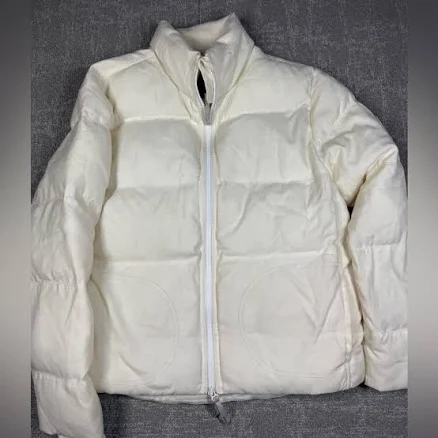
- Wool blend with synthetic fill (likely polyester)
- We found no PFAS statement from the brand
- water-repellent coating (water-repellent coating) coating composition
3 hazards checked on this product, all on its full breakdown.
Find an alternative on Amazon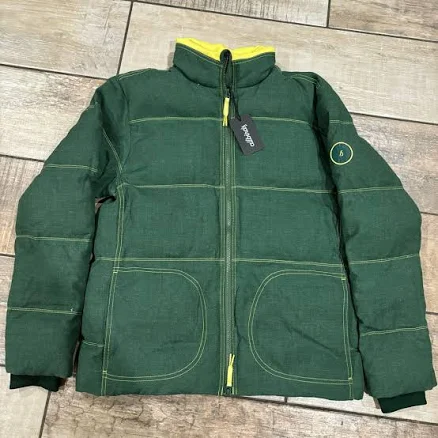
Allbirds
Jackets & Coats Allbirds Men's Trino Puffer Jacket Full Zip Wool Blend Forest Green Coat Size Sm
- wool blend (natural fiber dominant)
- We found no PFAS statement from the brand
- water-repellent coating (water-repellent coating) treatment - undisclosed chemistry
2 hazards checked on this product, all on its full breakdown.
Find an alternative on Amazon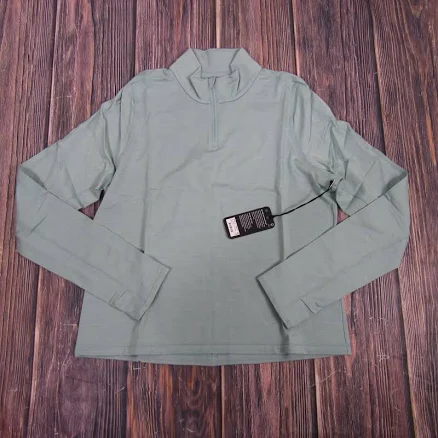
- Merino wool blend (natural fiber)
- We found no PFAS statement from the brand
- Azo dyes and synthetic dye residue
3 hazards checked on this product, all on its full breakdown.
Find an alternative on AmazonMore ski & snowboard jackets grades
How we score, every product runs through the same public 0-100 rubric based on materials, coatings, brand disclosure, lab findings, and recalls. See the full methodology → Spotted a mistake? Report an error.