Silpat · Parchment Paper & Baking Liners
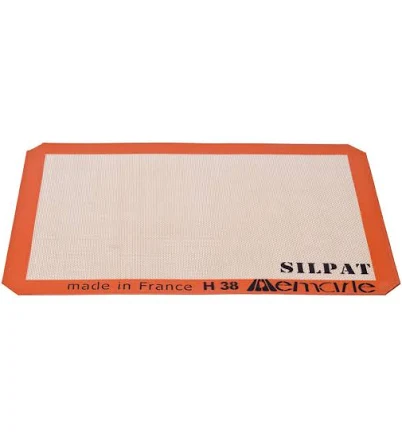
SILPAT 11 7/8" x 16 1/2" Half-Size Silicone Non-Stick Baking Mat
Lower concern. Silicone non-stick surface is not a material linked to PFAS.
This baking mat uses a silicone non-stick surface, a material not associated with PFAS. The brand has no PFAS statement on record. No independent testing or certification is listed.
The better-graded swap
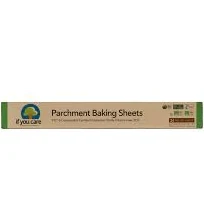
If You Care
Parchment Baking Sheets
90/100 safety
Same rubric that flunked this product. The swap earned Excellent.
Still want this one anyway? Check the price on Amazon. We’d swap it.
Material
Silicone non-stick surface
Brand disclosure
Brand is silent on PFAS
Lab data
No public lab test
What SILPAT 11 7/8" x 16 1/2" Half-Size is made of, ingredients and materials
Silpat is a food-grade silicone composite bonded to a fiberglass mesh core. Unlike traditional non-stick coatings (Teflon-type coating/Teflon), silicone does not require PFAS-based surfactants for non-stick performance. The fiberglass reinforcement provides durability and heat distribution without leaching concerns at typical baking temperatures. This material class avoids the historical fume-release risk associated with Teflon-type coating overheating.
What’s concerning
Category baseline
The starting point for this type of product, before anything specific to this product is counted.
No PFAS disclosure
No public statement from the brand about PFAS in this product.
Fiberglass fiber shedding
If silicone surface is punctured or abraded severely, fiberglass mesh may become exposed. Risk is low with normal use but increases with abrasive cleaning or damage; inspect mat regularly for tears.
Allergic sensitivity to silicone
Rare but documented in medical literature; some individuals report contact dermatitis or respiratory sensitivity to silicone. Not a product defect, but relevant to people with known silicone sensitivity.
Degradation and loss of non-stick performance over time
After 5-10 years of use, silicone mat surfaces may become sticky or dull; this is wear-related, not a toxicity hazard, but indicates end-of-life. No harmful byproducts are released; replacement is recommended for convenience, not safety.
What’s reassuring
Base material not linked to PFAS
The main material recorded for this product is not one associated with PFAS.
Silicone leaching at high heat
Food-grade silicone is chemically stable below 260°C. No documented cases of silicone oligomer leaching at typical home baking temperatures (175-220°C); however, prolonged exposure above 250°C is not recommended.
Manufacturing residues or uncrosslinked oligomers
Silpat is FDA-compliant for food contact; no recalls or regulatory findings of residual monomers or solvents in this product line. Quality is consistent with commercial kitchen standards.
The full breakdown
The brand's record and disclosure
T-fal (Groupe SEB) does not publicly promote PFAS-free claims for this product, though silicone construction inherently avoids PFAS. The brand has faced no documented safety recalls or regulatory actions specific to Silpat baking mats. T-fal provides minimal transparency around manufacturing certifications, though Silpat mats are widely used in commercial kitchens without reported toxicity incidents.
How it compares in its category
Silpat occupies the premium reusable segment; it outperforms parchment paper and silicone-free liners by eliminating single-use waste and PFAS concerns from coating-based alternatives. Unlike ceramic or coated metal baking sheets, silicone mats have no glaze-leaching risk. The main trade-off is higher upfront cost versus disposable parchment, though lifespan (5-10 years with proper care) justifies the investment for frequent bakers.
If you buy it
Hand-wash only; dishwasher use degrades silicone elasticity over time. Do not expose to temperatures above 260°C (500°F); most home ovens operate below this temperature. Replace if silicone develops tears, discoloration, or sticky spots that resist cleaning. Store flat or loosely rolled to prevent permanent creasing. Avoid sharp utensils and metal scrapers that can pierce the fiberglass core.
What we don’t know
- Basis
- Model estimate, 78% confidence, not a lab result
- Lab test
- None on record for this exact product
- Brand statement
- Silpat has made none
Formulations change between production runs, so check the current label. How we grade.
Better-graded alternatives in Parchment Paper & Baking Liners
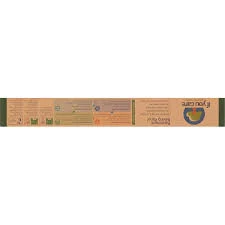
If You Care
Baking Paper, Parchment, 70 Square Feet
- silicone-coated parchment paper
- The brand calls it PFAS-free, which we have not verified
- Paper degradation and particulate shedding
If You Care
Parchment Baking Sheets
- unbleached paper with silicone coating
- The brand calls it PFAS-free, which we have not verified
- Silicone coating degradation at high heat
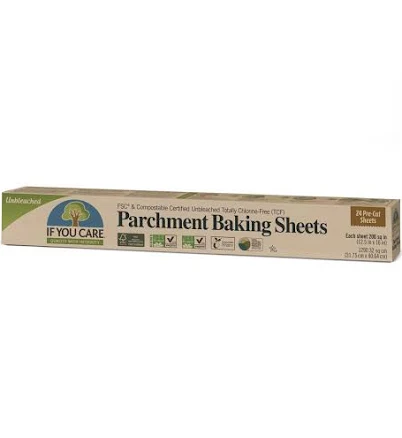
If You Care
Parchment Baking Sheets
- bleached paper with silicone coating
- The brand calls it PFAS-free, which we have not verified
- Paper degradation and fragmentation
More parchment paper & baking liners grades
How we score, every product runs through the same public 0-100 rubric based on materials, coatings, brand disclosure, lab findings, and recalls. See the full methodology → Spotted a mistake? Report an error.