T-fal · Parchment Paper & Baking Liners
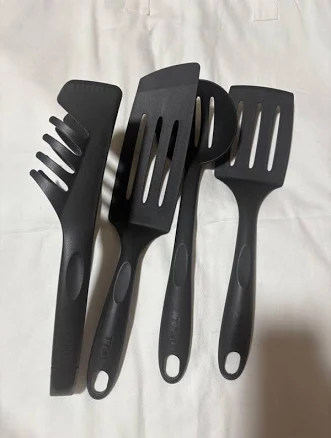
T-fal Cookware Tongs, Turner, Spatula, etc.
Nylon and silicone kitchen tools with no coating on record.
Nylon and silicone kitchen tools. An earlier record described a Teflon-type coating on them that no T-fal listing names, and it was removed on 17 September 2026.
We flunk more products than we pass. This one earned its grade. How we grade
Material
Nylon and silicone kitchen tools
Lab data
No public lab test
What T-fal Cookware Tongs, Turner, Spatula is made of, ingredients and materials
T-fal kitchen utensils in this line are composed of nylon (a polyamide thermoplastic) and silicone (a heat-resistant elastomer), neither of which requires surface coatings to function. Nylon is durable and resistant to staining but can degrade slightly at very high temperatures; silicone is chemically inert across normal cooking ranges. Neither material is known to leach toxic compounds under standard kitchen use, and no special surface treatments are documented on these tools.
What’s concerning
No PFAS disclosure
No public statement from the brand about PFAS in this product.
Category baseline
The starting point for this type of product, before anything specific to this product is counted.
Thermal degradation of nylon
Nylon can soften or warp above 200 degrees Celsius (392 Fahrenheit). Standard stovetop cooking stays well below this, but sustained exposure to high-heat cookware surfaces or open flame could cause structural failure; no recall or injury data on record for T-fal utensils.
What’s reassuring
Base material not linked to PFAS
The main material recorded for this product is not one associated with PFAS.
Silicone off-gassing at extreme heat
Food-grade silicone is stable across normal kitchen temperatures. Off-gassing concerns arise only above 500 degrees Fahrenheit, which is outside typical utensil use; no published safety issue for this product at standard cooking heat.
Nylon fiber shedding
Nylon utensils are not known to shed microscopic fibers into food under normal use. Visible flaking or splintering would indicate defect and warrant replacement, but is not a documented safety issue for T-fal's manufacturing.
Allergen or colorant additives in plastic base
T-fal does not publish details on dyes or additives mixed into nylon or silicone bodies. No recalls or adverse health reports link these utensils to allergic reactions or toxic colorant leaching; standard food-contact plastics in this category carry minimal documented risk.
Bacterial colonization in handle seams
T-fal utensils with nylon-silicone handles may trap moisture in seams if not fully dried after washing. This is a hygiene concern (mold or bacterial growth) rather than a chemical hazard; hand-washing and air-drying mitigates it.
The full breakdown
The brand's record and disclosure
T-fal (Groupe SEB) does not publicly disclose detailed material sourcing or third-party certification for this utensil line. The brand has no known recalls or safety controversies specific to nylon or silicone kitchen tools. T-fal's silence on PFAS and material transparency reflects industry-wide gaps in voluntary disclosure for utensil manufacturers, but does not indicate a problem specific to this product.
How it compares in its category
Nylon and silicone utensils are among the lowest-hazard options for kitchen hand tools; they avoid the risks associated with wooden handles (splinters, mold) and metal handles (heat conduction). Most competing brands (OXO, Calphalon, Lakeland) use identical or very similar materials. Silicone-nylon blends are the industry standard for non-stick-pan-safe utensils because they resist scratching cookware surfaces.
If you buy it
Keep utensils out of direct flame and avoid prolonged contact with heat above 400 degrees Fahrenheit, though normal stovetop and oven use (up to 350 degrees) poses no documented risk. Hand wash rather than dishwasher to extend silicone and nylon lifespan; dishwashers can cause minor degradation over years of use. Replace if nylon becomes brittle or silicone shows permanent deformation or discoloration. Store away from direct sunlight to slow polymer aging.
What we don’t know
- Basis
- Model estimate, 72% confidence, not a lab result
- Lab test
- None on record for this exact product
- Brand statement
- T-fal has made a specific claim
Formulations change between production runs, so check the current label. How we grade.
Better-graded alternatives in Parchment Paper & Baking Liners
If You Care
Baking Paper, Parchment, 70 Square Feet
- silicone-coated parchment paper
- The brand calls it PFAS-free, which we have not verified
- Paper degradation and particulate shedding
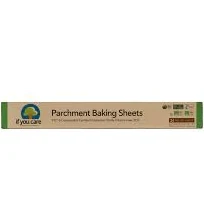
If You Care
Parchment Baking Sheets
- unbleached paper with silicone coating
- The brand calls it PFAS-free, which we have not verified
- Silicone coating degradation at high heat
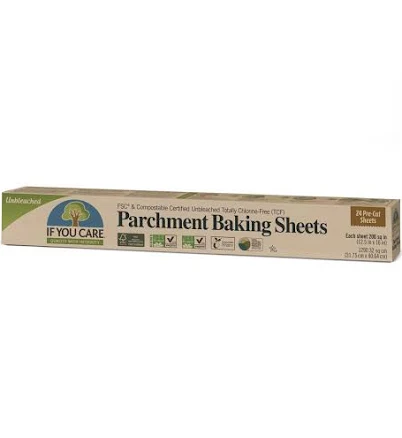
If You Care
Parchment Baking Sheets
- bleached paper with silicone coating
- The brand calls it PFAS-free, which we have not verified
- Paper degradation and fragmentation
More parchment paper & baking liners grades
How we score, every product runs through the same public 0-100 rubric based on materials, coatings, brand disclosure, lab findings, and recalls. See the full methodology → Spotted a mistake? Report an error.