T-fal · Parchment Paper & Baking Liners
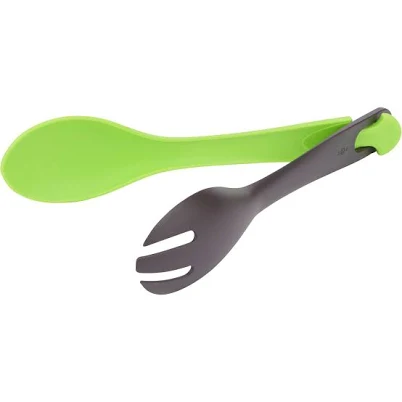
T-Fal Ingenio Tongs Salad
Salad tongs with nylon bristles pose low PFAS risk and use no nonstick coating.
T-fal built these salad tongs with nylon bristles and metal or plastic handles without nonstick coatings. No PFAS disclosure from the brand, but bare materials suggest lower worry.
The better-graded swap
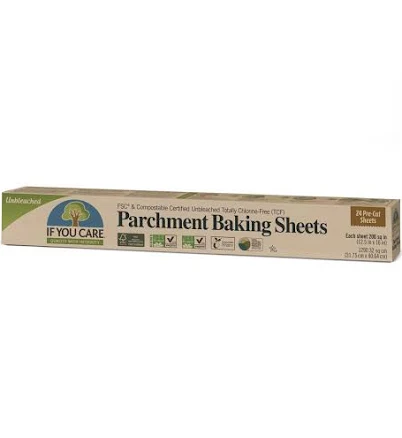
If You Care
If You Care Parchment Baking Sheets
90/100 safety
Same rubric that flunked this product. The swap earned Excellent.
Still want this one anyway? Check the price on Amazon. We’d swap it.
Material
Nylon bristles with metal/plastic handle
Lab data
No public lab test
What T-Fal Ingenio Tongs Salad is made of, ingredients and materials
T-Fal Ingenio salad tongs consist of nylon bristles bonded to a metal (typically stainless steel) and plastic handle. Nylon is a synthetic polymer that does not release harmful chemicals under normal cold or warm salad-handling conditions, unlike nonstick-coated cookware that sheds Teflon-type coating at high heat. The metal core resists corrosion and does not leach into food at room temperature or in acidic salad dressings.
What’s concerning
No PFAS disclosure
No public statement from the brand about PFAS in this product.
Category baseline
The starting point for this type of product, before anything specific to this product is counted.
Nylon bristle shedding or microfiber contamination
Over time, low-quality nylon bristles may shed individual fibers into food, particularly if bristles are rough or have manufacturing defects. No recalls or widespread complaints are documented for T-Fal salad tongs, suggesting this is a minor concern.
Mold or bacterial growth in bristle base
The junction between nylon bristles and the handle can trap moisture and food residue if not dried thoroughly, creating conditions for bacterial or mold colonization. This is a hygiene concern rather than a chemical one, managed by proper cleaning and storage.
What’s reassuring
Base material not linked to PFAS
The main material recorded for this product is not one associated with PFAS.
Handle plastic leaching from temperature stress
The plastic handle (likely polypropylene or ABS) is not designed for high heat and should not leach BPA or phthalates under normal cold-salad use. No leaching is expected unless the handle is damaged, cracked, or repeatedly exposed to heat above 60C (140F).
Metal corrosion or oxidation in the core
T-Fal typically uses stainless steel for the metal components, which resists rust and does not leach iron or nickel under normal use. No corrosion hazards are documented for this product line.
Heavy metals
No lead, cadmium, or antimony contamination is reported in stainless steel salad tongs from T-Fal or competitors. Stainless steel is a regulated material in cookware and does not pose a known toxicity risk for this utensil type.
Source, FDA ↗The full breakdown
The brand's record and disclosure
T-Fal (Groupe SEB) manufactures cookware globally and has faced scrutiny for PFAS in some nonstick product lines, but has not published comprehensive chemical disclosure statements. The company has not issued recalls or warnings specific to salad tongs. No major certifications (e.g., BPA-free labeling, third-party chemical audits) are prominently advertised for this utensil line, which is typical for basic kitchen tools.
How it compares in its category
Salad tongs as a category carry far lower chemical risk than nonstick skillets or cookware with ceramic or enamel coatings, since they do not contact high heat and are not designed to leach or shed coatings. Nylon bristle tongs are standard across brands (OXO, Winco, Mercer) and represent a low-hazard alternative to wooden or silicone utensils for cold food handling. T-Fal's metal-nylon construction is ordinary and offers no known advantages or disadvantages over competitors.
If you buy it
Hand-wash the tongs in warm soapy water; they are not typically dishwasher-safe due to handle degradation risk. Store in a dry place to prevent mold or bacterial growth in the bristle base. Replace when nylon bristles become loose, discolored, or separating from the handle, usually within 2-5 years of regular use. Do not expose to prolonged heat (e.g., resting on a hot stovetop edge) as the plastic handle may soften.
What we don’t know
- Basis
- Model estimate, 72% confidence, not a lab result
- Lab test
- None on record for this exact product
- Brand statement
- T-fal has made a specific claim
Formulations change between production runs, so check the current label. How we grade.
Better-graded alternatives in Parchment Paper & Baking Liners
If You Care
Baking Paper, Parchment, 70 Square Feet
- silicone-coated parchment paper
- The brand calls it PFAS-free, which we have not verified
- Paper degradation and particulate shedding
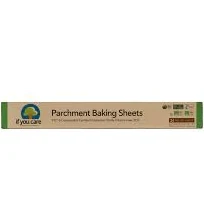
If You Care
Parchment Baking Sheets
- unbleached paper with silicone coating
- The brand calls it PFAS-free, which we have not verified
- Silicone coating degradation at high heat
If You Care
Parchment Baking Sheets
- bleached paper with silicone coating
- The brand calls it PFAS-free, which we have not verified
- Paper degradation and fragmentation
More parchment paper & baking liners grades
How we score, every product runs through the same public 0-100 rubric based on materials, coatings, brand disclosure, lab findings, and recalls. See the full methodology → Spotted a mistake? Report an error.