T-fal · Parchment Paper & Baking Liners
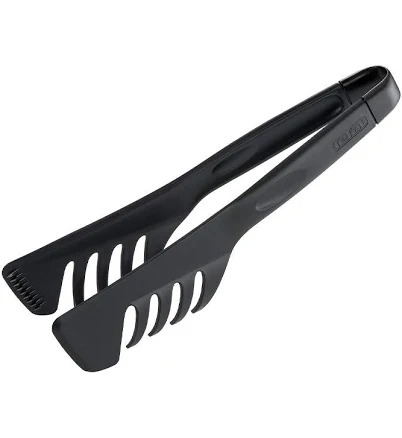
Tefal, Bienvenue Kitchen Tools Tongs, Black
Cannot assess PFAS risk when tongs materials remain unspecified.
Tefal discloses nothing about the handle or cooking surface materials. Without specifics, you can't tell if PFAS-linked nonstick or treatments were used.
The better-graded swap
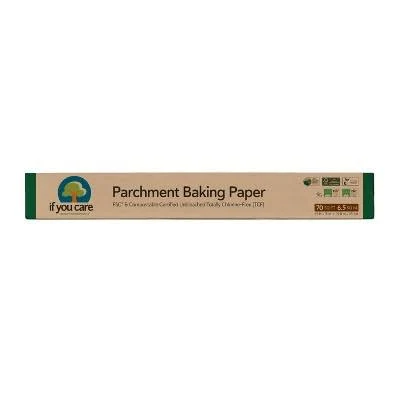
If You Care
If You Care Parchment Baking Paper
90/100 safety
Same rubric that flunked this product. The swap earned Excellent.
Still want this one anyway? Check the price on Amazon. We’d swap it.
Material
Black nylon/plastic handle, unspecified cooking surface
Lab data
No public lab test
What Tefal, Bienvenue Kitchen Tools Tongs is made of, ingredients and materials
Tefal Bienvenue tongs feature a black nylon or polycarbonate handle paired with an unspecified metal or reinforced-polymer head. Nylon handles in kitchen tools are food-safe thermoplastics but can soften or leach if exposed to sustained high heat (above 200°C/392°F), though tongs typically remain away from direct flame or boiling surfaces. The unspecified cooking surface material raises minor uncertainty, but standard tongs heads are stainless steel or molded nylon, neither of which pose known leaching hazards under normal use.
What’s concerning
No PFAS disclosure
No public statement from the brand about PFAS in this product.
Category baseline
The starting point for this type of product, before anything specific to this product is counted.
Nylon handle thermal degradation
Nylon softens above 200°C; risk is minimal in typical tong use since handles remain cool, but prolonged contact with very hot cookware surfaces or direct flame could cause warping, off-gassing, or leaching of low-molecular-weight polymers into food.
Microplastic shedding from handle wear
Over years of use, nylon handles can gradually degrade or flake, particularly at stress points (junction with head, grip area); microscopic particles are unlikely to cause acute harm but represent a minor long-term contamination pathway if tongs are not replaced when visibly worn.
What’s reassuring
Base material not linked to PFAS
The main material recorded for this product is not one associated with PFAS.
Unspecified head material composition
Tefal does not publicly disclose the exact material of the tongs head (stainless steel vs. nylon-composite vs. coated metal); no safety incidents are on record, but lack of transparency limits ability to rule out minor impurities or surface coatings.
Adhesive or fastener leaching
The bond between handle and head may use epoxy or mechanical fasteners; no leaching incidents are documented for Tefal tongs, but low-quality adhesives can release volatile organics or residual monomers under heat stress.
The full breakdown
The brand's record and disclosure
Tefal (T-fal, owned by Groupe SEB) has no public record of major safety recalls on kitchen tool handles, though the company provides minimal transparency about material sourcing or chemical testing. The brand is known for cookware coatings but does not widely publicize PFAS or heavy-metal testing for non-coated hand tools. No certifications (such as FDA or BPA-free claims) are typically advertised for basic tongs, limiting third-party verification.
How it compares in its category
Basic nylon-handle kitchen tongs have lower concern than non-stick cookware regarding Teflon-type coating/coating degradation risks and lower concern than aluminum or copper cookware regarding metal leaching. Tefal's Bienvenue line positions itself as budget-friendly entry-level cookware, meaning materials are standard commercial-grade but not premium or specialty-tested. Compared to stainless-steel-handle or silicone-grip alternatives, nylon is less durable over time but poses no known chemical hazards in normal kitchen use.
If you buy it
Keep tongs away from direct flame and temperatures above 200°C to prevent handle softening or off-gassing. Hand-wash rather than dishwasher to extend the life of the handle adhesive and reduce thermal stress. Replace tongs if the nylon shows visible cracks, discoloration, or loss of grip, as degraded plastic can shed microparticles into food during prolonged use. Store in a cool, dry place away from direct sunlight to slow polymer aging.
What we don’t know
- Basis
- Model estimate, 35% confidence, not a lab result
- Lab test
- None on record for this exact product
- Brand statement
- T-fal has made a specific claim
Formulations change between production runs, so check the current label. How we grade.
Better-graded alternatives in Parchment Paper & Baking Liners
If You Care
Baking Paper, Parchment, 70 Square Feet
- silicone-coated parchment paper
- The brand calls it PFAS-free, which we have not verified
- Paper degradation and particulate shedding
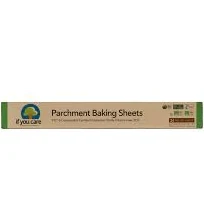
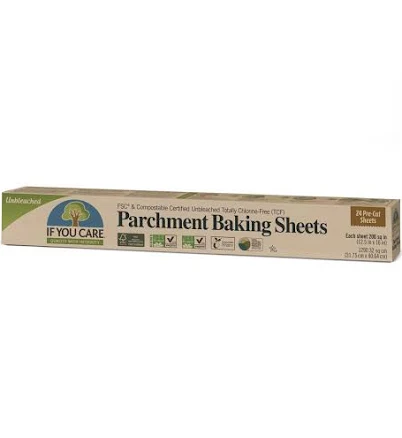
If You Care
Parchment Baking Sheets
- unbleached paper with silicone coating
- The brand calls it PFAS-free, which we have not verified
- Silicone coating degradation at high heat
If You Care
Parchment Baking Sheets
- bleached paper with silicone coating
- The brand calls it PFAS-free, which we have not verified
- Paper degradation and fragmentation
More parchment paper & baking liners grades
How we score, every product runs through the same public 0-100 rubric based on materials, coatings, brand disclosure, lab findings, and recalls. See the full methodology → Spotted a mistake? Report an error.