T-fal · Parchment Paper & Baking Liners
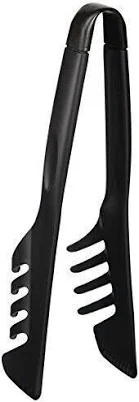
Tefal Tong Kitchen Tools Epis 274549 Japan Kitchen Accessories
Plastic with no coating described, and no PFAS statement from the brand.
The product information we reviewed describes nylon kitchen tongs, with no applied coating named. A flexible cutting mat does not need a non-stick coating, and the listing does not describe one. The brand has published no PFAS statement for it.
We flunk more products than we pass. This one earned its grade. How we grade
Material
Nylon kitchen tongs
Lab data
No public lab test
What Tefal Tong Kitchen Tools Epis 274549 is made of, ingredients and materials
These are nylon kitchen tongs, a thermoplastic polymer used in food contact tools because it resists melting better than many plastics up to around 200°C (392°F). Nylon does not contain BPA, phthalates, or the problematic Teflon-type coating found in non-stick cookware. The main chemical concern with nylon is that prolonged exposure to high heat or oils can cause slow leaching of oligomers (small nylon fragments), though this risk is significantly lower than with melting or degrading coatings. As-manufactured nylon tongs carry no established heavy-metal or formaldehyde hazards in food-contact use.
What’s concerning
Category baseline
The starting point for this type of product, before anything specific to this product is counted.
No PFAS disclosure
No public statement from the brand about PFAS in this product.
Nylon oligomer leaching under heat
Nylon can release small molecular fragments into hot or oily foods if held above 200°C for extended periods. Risk is low under normal kitchen use but increases with repeated contact to very hot cookware or prolonged exposure to oils.
Polymer degradation and discoloration
Nylon kitchen tools can yellow, become sticky, or develop odors after prolonged dishwasher cycles or heat exposure. This indicates polymer breakdown but does not necessarily indicate food safety failure if usage limits are observed.
Bacterial colonization of grip or seams
Textured nylon grips or seams between tong halves can trap moisture and harbor bacteria if not dried thoroughly after washing. Regular hand-washing and air-drying reduce this risk; dishwashing may leave water in crevices if not fully ventilated during drying cycles.
What’s reassuring
Base material not linked to PFAS
The main material recorded for this product is not one associated with PFAS.
Formaldehyde / VOCs
No formaldehyde resins or releasers are standard in commercial nylon tong manufacturing or assembly. This hazard class is not applicable to virgin nylon utensils.
Source, ATSDR ↗Heavy metals
Product context does not identify colored coatings, inks, or dyes on these tongs. If they are natural nylon or minimally pigmented, heavy-metal contamination risk is low. No recalls or test results are on record for this model.
Source, FDA ↗The full breakdown
The brand's record and disclosure
T-fal (Groupe SEB) manufactures cookware and kitchen tools globally and has faced no major recalls for chemical contamination in their non-electric kitchen utensils. The brand does not publish a dedicated PFAS transparency statement for this product line, which is typical for small appliance and utensil makers. T-fal holds ISO 9001 quality certification but does not prominently market third-party chemical testing for individual tongs or utensils. No documented safety controversies specific to nylon tong products from this brand are on record.
How it compares in its category
Nylon tongs sit in the middle of the safety spectrum for kitchen utensils. Silicone alternatives offer slightly lower leaching potential but can degrade faster under repeated high heat. Stainless steel tongs eliminate leaching entirely but conduct heat more readily. Wooden or bamboo tongs avoid polymer hazards but require more maintenance to prevent bacterial growth. Nylon is chosen by most manufacturers as a durability and cost-effective balance that meets food safety standards when used within temperature guidelines.
If you buy it
Keep nylon tongs below 200°C (392°F) when gripping hot food or cookware to avoid softening and microleaching. Wash by hand or on low-temperature machine cycles with mild detergent; high heat in dishwashers can degrade the polymer over time. Replace tongs if the grip becomes sticky, discolored, or visibly warped, as these are signs of polymer breakdown. Store in a cool, dry location away from direct sunlight or heat sources between uses to extend lifespan.
What we don’t know
- Basis
- Model estimate, 72% confidence, not a lab result
- Lab test
- None on record for this exact product
- Brand statement
- T-fal has made a specific claim
Formulations change between production runs, so check the current label. How we grade.
Better-graded alternatives in Parchment Paper & Baking Liners
If You Care
Baking Paper, Parchment, 70 Square Feet
- silicone-coated parchment paper
- The brand calls it PFAS-free, which we have not verified
- Paper degradation and particulate shedding
If You Care
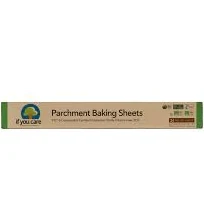
Parchment Baking Sheets
- unbleached paper with silicone coating
- The brand calls it PFAS-free, which we have not verified
- Silicone coating degradation at high heat
If You Care
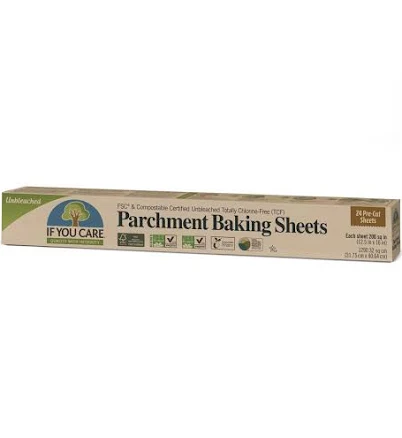
Parchment Baking Sheets
- bleached paper with silicone coating
- The brand calls it PFAS-free, which we have not verified
- Paper degradation and fragmentation
More parchment paper & baking liners grades
How we score, every product runs through the same public 0-100 rubric based on materials, coatings, brand disclosure, lab findings, and recalls. See the full methodology → Spotted a mistake? Report an error.