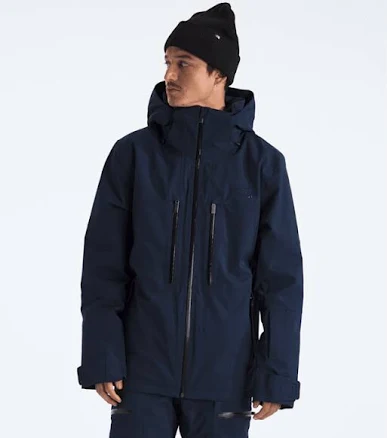
The North Face · Ski & Snowboard Jackets
The North Face Men's Chakal Jacket
water-repellent coating presents unconfirmed PFAS risk without brand transparency.
The North Face does not publicly reveal whether the Chakal's water-repellent coating treatment contains PFAS. Most standard outdoor jackets use legacy water-repellent coating formulas that likely include PFAS.
Still want this one anyway? Check the price on Amazon. We’d swap it.
Material
Nylon/polyester shell with water-repellent coating water-repellent coating finish
Lab data
No public lab test
You may also be interested in
Top-graded picks in the categories readers replace first, every one scored on the same rubric.

- polypropylene filter housing, carbon/sediment cartridge
- We found no PFAS statement from the brand
- Bacterial growth in spent cartridges
3 hazards checked on this product, all on its full breakdown.

Aquasure
Premier Series 75 GPD Under Sink Reverse Osmosis Water Filtration System
- RO membrane, carbon filters, stainless steel housing
- We found no PFAS statement from the brand
- Bacterial and microbial growth in housing and filters
4 hazards checked on this product, all on its full breakdown.

Avocado
Vegan Mattress
- organic cotton, natural latex, coconut coir, recycled steel coils
- The brand calls it PFAS-free, which we have not verified
- Heavy metals
2 hazards checked on this product, all on its full breakdown.
What The North Face Men's Chakal Jacket is made of, ingredients and materials
The Chakal uses a nylon/polyester blend shell with a water-repellent coating (water-repellent coating) finish applied to the fabric surface. water-repellent coating coatings on outdoor jackets traditionally rely on fluorinated compounds to achieve water beading and breathability balance. This particular jacket's water-repellent coating chemistry is not disclosed by The North Face; the coating will degrade with washing and UV exposure, typically losing effectiveness within 1-3 years of regular use, requiring reapplication rather than replacement.
What’s concerning
Category baseline
The starting point for this type of product, before anything specific to this product is counted.
No PFAS disclosure
No public statement from the brand about PFAS in this product.
Waterproof / stain-resistant treatment
Water-repellent coating treatments have historically used PFAS.
water-repellent coating degradation and re-exposure
As the fluorinated water-repellent coating wears, water absorption increases and the jacket requires retreatment or loses function. Reapplication products vary in PFAS content; selecting low-fluorine alternatives extends usable life without chemical escalation.
Heat sensitivity of synthetic shell
Nylon and polyester shells can warp or melt if exposed to high dryer heat or direct flames; low-temperature tumble drying is required. User error during care (high heat) is more likely than material defect.
What’s reassuring
Azo dyes in polyester/nylon blend
No published concerns or recalls for The North Face Chakal regarding azo dye safety; the brand uses bluesign-certified dye houses for many lines, suggesting restricted azo use, but product-specific documentation is unavailable.
Heavy metals
Nylon and polyester jackets rarely show heavy metal contamination in independent testing when sourced from regulated manufacturers; The North Face's supply chain is largely compliant with EU and US textile standards, making this risk low.
Source, FDA ↗Formaldehyde / VOCs
Modern outerwear from major brands avoids formaldehyde-releasing resins; The North Face does not declare formaldehyde use in apparel. Risk is minimal given manufacturing standards, but product-level testing data is not public.
Source, ATSDR ↗How is this PFAS grade calculated?
The brand's record and disclosure
The North Face has not publicly committed to phasing out PFAS in their apparel lines or provided transparency on water-repellent coating chemistry in specific products. The brand does hold bluesign certification for some lines, indicating chemical management in dyeing and finishing, but the Chakal's bluesign status is not confirmed. Industry-wide, The North Face lags behind competitors like Patagonia in PFAS disclosure and alternatives adoption, though they have not faced major recalls for this product category.
How it compares in its category
Most mainstream ski jackets (Arc'teryx, Columbia, Salomon) use fluorinated water-repellent coating as standard; few brands offer PFAS-free alternatives at this price point without performance trade-offs. The Chakal is mid-range in the category and typical in its chemical profile. Premium competitors increasingly offer PFC-free options, but Chakal's durability record suggests the coating system is stable and proven, making it neither exceptional nor concerning relative to peers.
If you buy it
Wash sparingly in cold water with minimal detergent to preserve the water-repellent coating; avoid fabric softener and bleach. Do not dry clean (solvents strip the finish) and tumble-dry on low heat only. Plan to retreat the jacket with a PFAS-free spray-on water-repellent coating (e.g., Grangers Extreme Repel or similar) every 1-2 years to maintain performance. Monitor seams and zippers for degradation; jacket lifespan is typically 5-8 years with proper care.
What is not known about PFAS in this product?
- Basis
- Model estimate, 45% confidence, not a lab result
- Lab test
- None on record for this exact product
- Brand statement
- The North Face has made a specific claim
Formulations change between production runs, so check the current label. How we grade.
What are the PFAS-free alternatives to The North Face Men's Chakal Jacket?
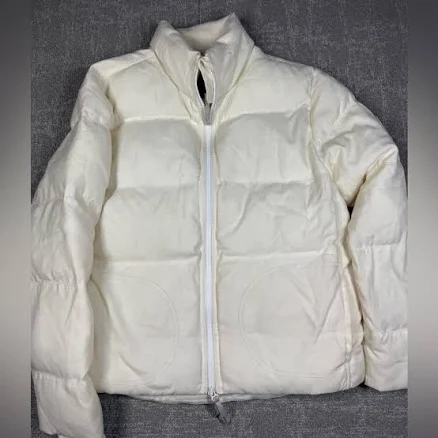
- Wool blend with synthetic fill (likely polyester)
- We found no PFAS statement from the brand
- water-repellent coating (water-repellent coating) coating composition
3 hazards checked on this product, all on its full breakdown.
Find an alternative on Amazon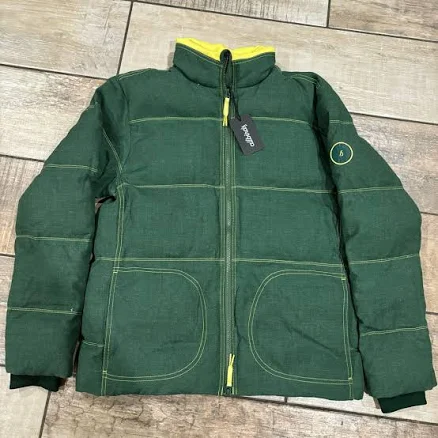
Allbirds
Jackets & Coats Allbirds Men's Trino Puffer Jacket Full Zip Wool Blend Forest Green Coat Size Sm
- wool blend (natural fiber dominant)
- We found no PFAS statement from the brand
- water-repellent coating (water-repellent coating) treatment - undisclosed chemistry
2 hazards checked on this product, all on its full breakdown.
Find an alternative on Amazon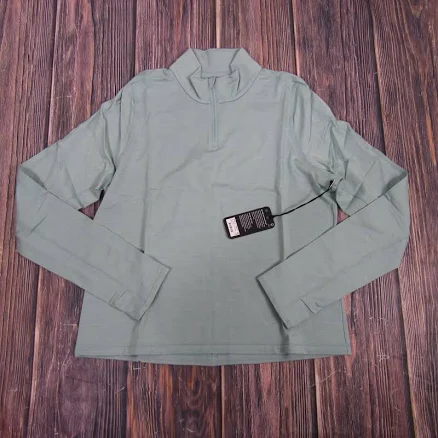
- Merino wool blend (natural fiber)
- We found no PFAS statement from the brand
- Azo dyes and synthetic dye residue
3 hazards checked on this product, all on its full breakdown.
Find an alternative on AmazonMore ski & snowboard jackets grades
How we score, every product runs through the same public 0-100 rubric based on materials, coatings, brand disclosure, lab findings, and recalls. See the full methodology → Spotted a mistake? Report an error.