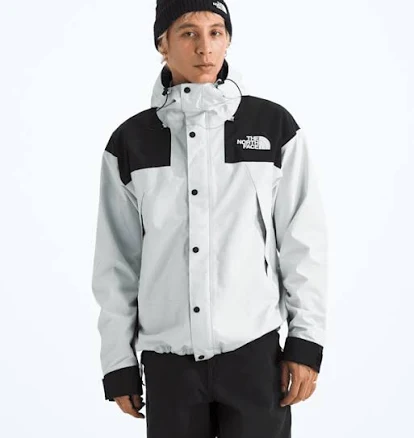
The North Face · Ski & Snowboard Jackets
The North Face Men's Gore-Tex Mountain Jacket
Gore-Tex likely contains PFAS; The North Face discloses nothing.
Gore-Tex waterproof membranes historically used PFOA-based chemistry, though formulations vary. The North Face provides no public PFAS transparency for this jacket.
Still want this one anyway? Check the price on Amazon. We’d swap it.
Material
Gore-Tex membrane with polyester/nylon shell
Lab data
No public lab test
You may also be interested in
Top-graded picks in the categories readers replace first, every one scored on the same rubric.

- polypropylene filter housing, carbon/sediment cartridge
- We found no PFAS statement from the brand
- Bacterial growth in spent cartridges
3 hazards checked on this product, all on its full breakdown.

Aquasure
Premier Series 75 GPD Under Sink Reverse Osmosis Water Filtration System
- RO membrane, carbon filters, stainless steel housing
- We found no PFAS statement from the brand
- Bacterial and microbial growth in housing and filters
4 hazards checked on this product, all on its full breakdown.

Avocado
Vegan Mattress
- organic cotton, natural latex, coconut coir, recycled steel coils
- The brand calls it PFAS-free, which we have not verified
- Heavy metals
2 hazards checked on this product, all on its full breakdown.
What The North Face Men's Mountain Jacket is made of, ingredients and materials
Gore-Tex is a Teflon-family coating membrane laminated to polyester and nylon shell fabrics. The membrane creates water resistance by blocking liquid water while allowing water vapor to escape. This Teflon-family coating backbone almost certainly contains PFOA or related PFAS compounds, which do not break down in the environment or human body. The exact PFAS formulation is proprietary and not disclosed by Gore-Tex or The North Face.
What’s concerning
Waterproof / stain-resistant treatment
Water-repellent coating treatments have historically used PFAS.
Category baseline
The starting point for this type of product, before anything specific to this product is counted.
No PFAS disclosure
No public statement from the brand about PFAS in this product.
PFAS
Gore-Tex membrane chemistry is proprietary but Teflon-family coating-based membranes universally contain PFAS. No testing or disclosure available from The North Face or Gore-Tex on specific PFAS types or concentrations. Risk is dermal contact and potential environmental release during laundering or disposal.
Source, ATSDR ↗Formaldehyde / VOCs
Wrinkle-resistance, water-repellent, or flame-retardant finishing treatments on polyester/nylon may contain formaldehyde releasers. The North Face does not disclose finishing chemistry. Risk is minimal if jacket is worn over base layers, but can cause skin irritation in sensitive individuals on first wear.
Source, ATSDR ↗Microfiber shedding during laundering
Synthetic outdoor jackets shed microplastics in wash water. Gore-Tex laminates and nylon shells both contribute. This is a documented concern for all technical outerwear in this category, with no industry mitigation standard yet established.
What’s reassuring
Azo dyes in polyester/nylon shell
The North Face does not publish dye certification or restricted substance lists for this model. Industry standard assumes use of compliant azo dyes (non-carcinogenic variants per OEKO-TEX or similar), but no independent verification exists for this specific product.
Polyester antimony catalyst residue
Polyester is made using antimony catalyst, which can leave trace residues. No testing or disclosure available for this product. Residue levels in finished textiles are typically below regulatory concern, but The North Face does not confirm testing.
How is this PFAS grade calculated?
The brand's record and disclosure
The North Face has not published ingredient lists, PFAS content testing, or replacement timelines for Gore-Tex products. The company does not disclose whether it has phased out older high-toxicity PFAS (such as PFOA) in favor of shorter-chain alternatives. Gore-Tex itself maintains proprietary secrecy around membrane chemistry. Neither brand has signed the ZDHC (zero discharge of hazardous chemicals) gateway or committed to PFAS phase-out dates.
How it compares in its category
Gore-Tex dominates premium outdoor jackets but is synonymous with PFAS-based durability. Competing fabrics (e.g., Paragon, Event, Hyvent) often use similar or identical Teflon-family coating chemistries. Non-fluorinated alternatives (waxed cotton, polyurethane coatings) exist but sacrifice breathability and durability. This product sits at the high end of PFAS exposure risk within technical outerwear, with no transparency advantage over competitors.
If you buy it
Wash in cool water with mild detergent; avoid machine drying, which can degrade the membrane and release microfibers. Do not use fabric softeners or bleach. Dry-clean only if necessary; dry-cleaning solvents may compromise lamination. Expect 5-10 years of use before membrane breakdown; consider donating or reselling rather than discarding. Store in a dry, unfolded state to prevent crease damage.
What is not known about PFAS in this product?
- Basis
- Model estimate, 45% confidence, not a lab result
- Lab test
- None on record for this exact product
- Brand statement
- The North Face has made a specific claim
Formulations change between production runs, so check the current label. How we grade.
What are the PFAS-free alternatives to The North Face Men's Gore-Tex Mountain Jacket?
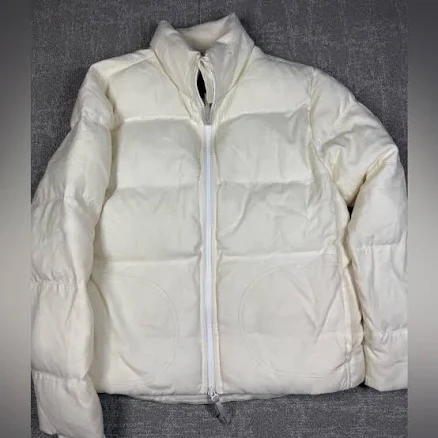
- Wool blend with synthetic fill (likely polyester)
- We found no PFAS statement from the brand
- water-repellent coating (water-repellent coating) coating composition
3 hazards checked on this product, all on its full breakdown.
Find an alternative on Amazon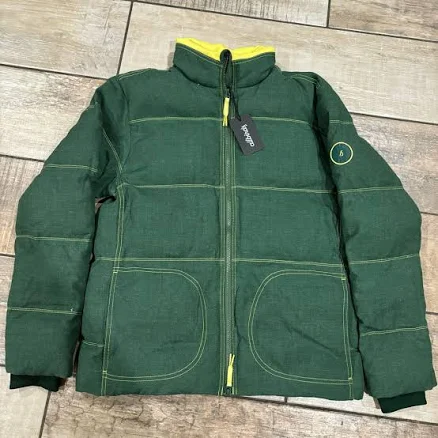
Allbirds
Jackets & Coats Allbirds Men's Trino Puffer Jacket Full Zip Wool Blend Forest Green Coat Size Sm
- wool blend (natural fiber dominant)
- We found no PFAS statement from the brand
- water-repellent coating (water-repellent coating) treatment - undisclosed chemistry
2 hazards checked on this product, all on its full breakdown.
Find an alternative on Amazon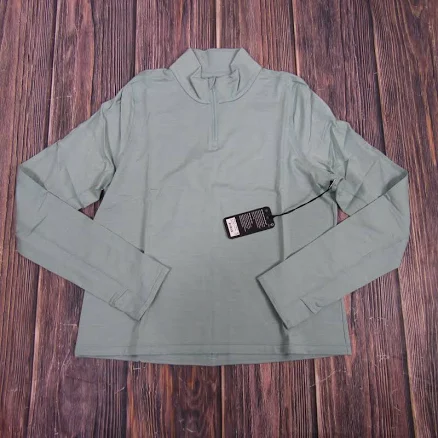
- Merino wool blend (natural fiber)
- We found no PFAS statement from the brand
- Azo dyes and synthetic dye residue
3 hazards checked on this product, all on its full breakdown.
Find an alternative on AmazonMore ski & snowboard jackets grades
How we score, every product runs through the same public 0-100 rubric based on materials, coatings, brand disclosure, lab findings, and recalls. See the full methodology → Spotted a mistake? Report an error.