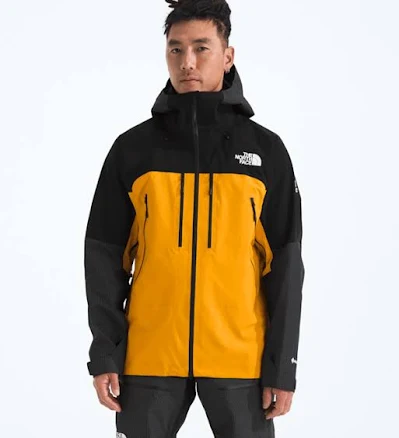
The North Face · Ski & Snowboard Jackets
The North Face Men's Summit Series Mountain Gore-Tex Pro Jacket
High-end waterproof jacket; PFAS status unclear, no disclosure from brand.
Gore-Tex Pro membranes and water-repellent coating finishes often contain PFAS, but The North Face does not publicly disclose their specific chemistry. No third-party testing data available for this model.
Still want this one anyway? Check the price on Amazon. We’d swap it.
Material
Gore-Tex Pro shell with water-repellent coating treatment
Lab data
No public lab test
You may also be interested in
Top-graded picks in the categories readers replace first, every one scored on the same rubric.

- polypropylene filter housing, carbon/sediment cartridge
- We found no PFAS statement from the brand
- Bacterial growth in spent cartridges
3 hazards checked on this product, all on its full breakdown.

Aquasure
Premier Series 75 GPD Under Sink Reverse Osmosis Water Filtration System
- RO membrane, carbon filters, stainless steel housing
- We found no PFAS statement from the brand
- Bacterial and microbial growth in housing and filters
4 hazards checked on this product, all on its full breakdown.

Avocado
Vegan Mattress
- organic cotton, natural latex, coconut coir, recycled steel coils
- The brand calls it PFAS-free, which we have not verified
- Heavy metals
2 hazards checked on this product, all on its full breakdown.
What The North Face Men's Summit Pro Jacket is made of, ingredients and materials
Gore-Tex Pro is a laminated polyester shell with a microporous Teflon-type coating membrane bonded to fabric layers. The jacket relies on a water-repellent coating (water-repellent coating) finish applied to the outer surface to shed water without blocking breathability. Most commercial Gore-Tex jackets use fluorinated water-repellent coating coatings (PFAS-based), though some newer alternatives exist. The North Face has not publicly disclosed which water-repellent coating chemistry is used in this specific Summit Series model.
What’s concerning
Waterproof / stain-resistant treatment
Water-repellent coating treatments have historically used PFAS.
Category baseline
The starting point for this type of product, before anything specific to this product is counted.
No PFAS disclosure
No public statement from the brand about PFAS in this product.
PFAS
Gore-Tex Pro jackets typically use PFAS-based water-repellent coating finishes unless explicitly stated otherwise. The North Face has not disclosed the chemistry for this model, making fluorinated PFAS presence highly probable based on industry standard practice.
Source, ATSDR ↗Antimony in polyester fiber
Polyester shells may contain antimony trioxide as a catalyst residue from fiber production. Levels are typically trace and migration into skin contact is low, but antimony presence in the fiber itself is not formally ruled out by the brand.
Laminate delamination and microparticle shedding
Extended wear, heat exposure, or aggressive washing can cause Gore-Tex laminate to separate from the outer fabric. While not a chemical hazard, microfiber shedding from the degrading shell is a secondary risk after years of use.
What’s reassuring
Formaldehyde / VOCs
No public record of formaldehyde-based resins in Gore-Tex laminate or The North Face polyester shells. Modern synthetic waterproof fabrics generally avoid formaldehyde, though finish processes should be verified.
Source, ATSDR ↗Heavy metals
The North Face has phased out lead and cadmium in dyes across most product lines. No specific safety alerts for this Summit Series jacket color or dyeing process are on record.
Source, FDA ↗How is this PFAS grade calculated?
The brand's record and disclosure
The North Face has not signed the AFIRM (Apparel and Footwear International RSL Management) group commitment on PFAS elimination and remains silent on fluorinated finishing agents in their waterproof lines. The brand has been responsive to some chemical hazards (lead cadmium removal from dyes) but has not engaged transparently on PFAS timelines or product-level disclosure. No major recalls or formal safety violations specific to this jacket model are on public record.
How it compares in its category
Premium technical jackets in this price tier routinely use PFAS-based water-repellent coating; The North Face position is standard for the high-end segment, not exceptional. Some competitors (e.g., Patagonia) have begun labeling fluorine-free water-repellent coating options, while others maintain silence. This jacket lacks the transparency advantage of brands that explicitly state non-fluorinated finishes or phaseout timelines.
If you buy it
Wash separately in cool water with minimal detergent to extend water-repellent coating durability; avoid high-heat drying, which can degrade the laminate bond. Expect water-repellent coating reapplication every 1-2 years depending on use frequency; third-party fluorine-free water-repellent coating products exist as lower-risk alternatives for retreatment. Do not tumble dry or expose to sustained heat above 140F, as polyester melting point approaches 260F but the laminate can separate at lower temperatures. Request product-level PFAS disclosure from The North Face before purchase if PFAS exposure is a personal priority.
What is not known about PFAS in this product?
- Basis
- Model estimate, 45% confidence, not a lab result
- Lab test
- None on record for this exact product
- Brand statement
- The North Face has made a specific claim
Formulations change between production runs, so check the current label. How we grade.
What are the PFAS-free alternatives to The North Face Men's Summit Series Mountain Gore-Tex Pro Jacket?
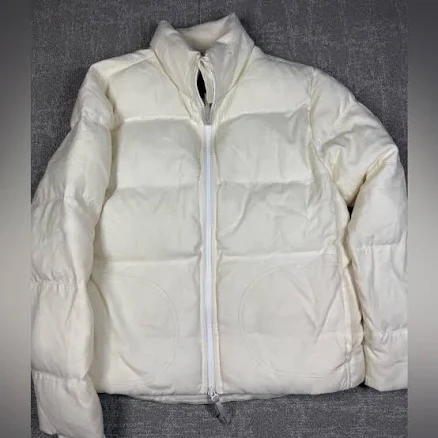
- Wool blend with synthetic fill (likely polyester)
- We found no PFAS statement from the brand
- water-repellent coating (water-repellent coating) coating composition
3 hazards checked on this product, all on its full breakdown.
Find an alternative on Amazon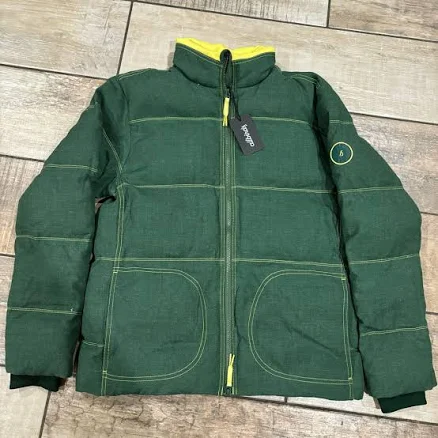
Allbirds
Jackets & Coats Allbirds Men's Trino Puffer Jacket Full Zip Wool Blend Forest Green Coat Size Sm
- wool blend (natural fiber dominant)
- We found no PFAS statement from the brand
- water-repellent coating (water-repellent coating) treatment - undisclosed chemistry
2 hazards checked on this product, all on its full breakdown.
Find an alternative on Amazon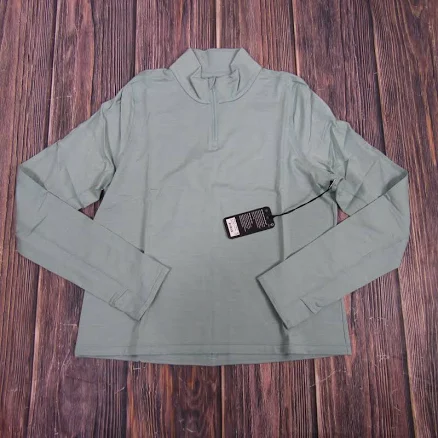
- Merino wool blend (natural fiber)
- We found no PFAS statement from the brand
- Azo dyes and synthetic dye residue
3 hazards checked on this product, all on its full breakdown.
Find an alternative on AmazonMore ski & snowboard jackets grades
How we score, every product runs through the same public 0-100 rubric based on materials, coatings, brand disclosure, lab findings, and recalls. See the full methodology → Spotted a mistake? Report an error.