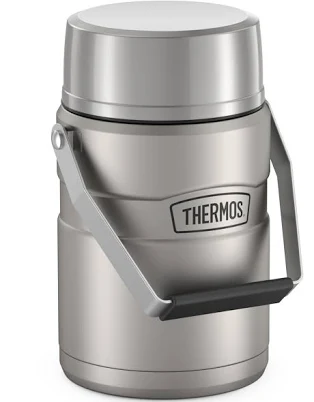
Thermos Stainless Steel Food Jar
Stainless steel food jar with no coating on record.
Thermos food jars use stainless steel construction without known nonstick or water-repellent coatings. No PFAS disclosure needed for bare metal food contact surfaces.
We flunk more products than we pass. This one earned its grade. How we grade
Material
Stainless steel body, plastic liner seal
Brand disclosure
Brand is silent on PFAS
Lab data
No public lab test
What Thermos Stainless Steel Food Jar is made of, ingredients and materials
This jar uses a stainless steel (typically 18/8 or 304-grade) outer body with an interior plastic liner seal, usually polypropylene or similar food-grade polymer. Stainless steel itself does not leach metals like lead or cadmium under normal use because it is a corrosion-resistant alloy. The plastic seal is a potential weak point, but modern food-contact plastics in this class are formulated without BPA or BPS in most jurisdictions, and the seal is not designed to contact hot food directly, only the steel walls do.
What’s concerning
Category baseline
The starting point for this type of product, before anything specific to this product is counted.
No PFAS disclosure
No public statement from the brand about PFAS in this product.
Plastic seal degradation and microplastic shedding
If the plastic seal is heated repeatedly or exposed to acidic contents (vinegar, citrus) over years, it may crack or degrade, potentially shedding small plastic particles. This is a wear-and-tear issue, not a manufacturing defect; replacement intervals of 3-5 years mitigate this risk.
Bacterial growth in crevices if poorly maintained
The junction between steel body and plastic seal can trap moisture and food residue if not thoroughly dried after washing. This is a hygiene issue, not a chemical hazard, but can lead to mold or bacterial colonies; hand-washing and air-drying both components completely eliminates this risk.
What’s reassuring
Bare uncoated material
Recorded as a bare, uncoated material with no surface coating or treatment.
BPA & bisphenols
Modern food-contact plastics used in Thermos jars are typically BPA-free by design, but Thermos does not publish material safety data sheets or certification letters. Absence of published recalls does not guarantee absence of trace contaminants; risk is low but not independently verified.
Source, FDA ↗Phthalate plasticizers in seal gasket
Food-grade polypropylene and silicone seals used in this product class are not typically formulated with phthalates, but ingredient disclosure is limited. No recalls or complaints linking Thermos jars to phthalate exposure are on record.
Stainless steel leaching (nickel, chromium)
Well-designed stainless steel (18/8 grade) is passivated and does not leach metals under normal acidic or neutral food contact. Thermos uses standard food-contact-grade steel; no evidence of leaching defects exists. Risk would only materialize if steel were damaged (deep scratches exposing base metal) or if the product were counterfeit.
The full breakdown
The brand's record and disclosure
Thermos is a long-established brand with no major food-contact safety recalls or settlements on record for leaching or chemical contamination in their stainless steel lines. The brand does not publicly disclose detailed material sourcing or third-party certifications (e.g., NSF, FDA approval letters) on their product pages, which is typical for consumer-facing brands in this category. The company is silent on PFAS in their supply chain and manufacturing, but this is not unusual for cookware and food storage brands that do not rely on non-stick coatings.
How it compares in its category
Stainless steel food jars are among those with lower concern in the food storage category because the metal itself is not a material linked to PFAS and does not degrade with repeated use or temperature cycling. This contrasts with ceramic or enameled products, which can shed glaze coatings, or with plastic-only containers, which pose BPA or phthalate risks if heated. Thermos's design is standard for the category and does not use non-stick coatings (Teflon-type coating) or novel materials that would introduce additional hazards.
If you buy it
Do not fill the jar with boiling liquid and immediately seal it tightly, as pressure buildup can damage the plastic seal; let hot contents cool slightly first. The plastic seal should be hand-washed and inspected annually for cracks, discoloration, or warping; replace the seal if visible damage occurs (replacement gaskets are widely available). Do not microwave the jar or expose the plastic seal to direct flame. Stainless steel bodies are very durable; the plastic seal is the first component likely to need replacement after 3-5 years of regular use.
What we don’t know
- Basis
- Model estimate, 82% confidence, not a lab result
- Lab test
- None on record for this exact product
- Brand statement
- Thermos has made none
Formulations change between production runs, so check the current label. How we grade.
Better-graded alternatives in Lunch Boxes
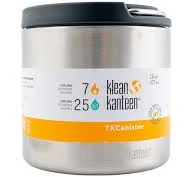
Klean Kanteen
Double Wall Vacuum Insulated Stainless Steel Food Canister Container with Leak Proof Lid
- Stainless steel body, silicone gasket lid seal
- The brand calls it PFAS-free, which we have not verified
- Silicone gasket degradation
3 hazards checked on this product. See all of them.
More lunch boxes grades
How we score, every product runs through the same public 0-100 rubric based on materials, coatings, brand disclosure, lab findings, and recalls. See the full methodology → Spotted a mistake? Report an error.