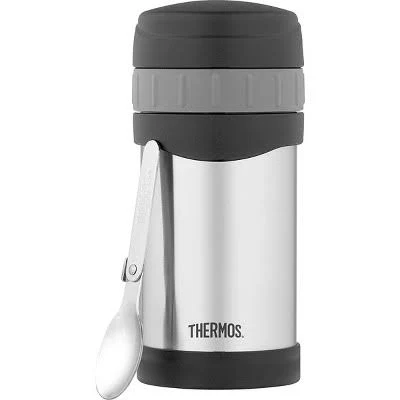
Thermos Stainless Steel Food Jar w-Folding Spoon
Lower concern. Bare stainless steel food contact surfaces.
Thermos food jars use stainless steel construction with no nonstick or waterproof coatings reported. No PFAS disclosure or claims found, but bare stainless steel has minimal PFAS risk.
We flunk more products than we pass. This one earned its grade. How we grade
Material
stainless steel body, uncoated interior
Brand disclosure
Brand is silent on PFAS
Lab data
No public lab test
What Thermos Stainless Steel Food Jar is made of, ingredients and materials
The food-contact interior is bare 300-series stainless steel (typically 304 or 316), which does not leach BPA, phthalates, or other plastic-derived compounds. Stainless steel is chemically inert at normal food storage temperatures and pH ranges. The folding spoon is likely stainless steel as well, avoiding plastic utensil degradation under heat or acidic foods. This material choice sidesteps the entire category of polymer leaching hazards that affect plastic food containers.
What’s concerning
Category baseline
The starting point for this type of product, before anything specific to this product is counted.
No PFAS disclosure
No public statement from the brand about PFAS in this product.
Nickel leaching from stainless steel
300-series stainless steel contains 8-12% nickel. Under prolonged contact with acidic foods, trace nickel can leach; however, amounts remain negligible for typical use (hours to days of storage) and well below regulatory limits. Sensitive individuals or chronic high-acid food storage warrant awareness.
Lid seal and gasket durability
Thermos food jar lids typically include silicone or elastomer gaskets that may degrade after 2-5 years of regular use or dishwasher exposure. Replacement gaskets are widely available. No documented leaching from seals, but seal failure compromises temperature retention and food safety from external contamination.
What’s reassuring
Bare uncoated material
Recorded as a bare, uncoated material with no surface coating or treatment.
Microplastic generation
Bare stainless steel does not fragment, degrade, or shed particles into food under normal storage or heating. This hazard is eliminated by material choice.
BPA & bisphenols
Uncoated stainless steel food contact surface contains no polymers and therefore cannot leach endocrine disruptors or plasticizers. This category of hazard does not apply.
Source, FDA ↗Heavy metals
The interior is uncoated; there is no glaze, epoxy, or enamel layer to chip, peel, or release cadmium, lead, or other contaminants. No coating hazard exists in this design.
Source, FDA ↗The full breakdown
The brand's record and disclosure
Thermos is a well-established brand with decades of stainless steel food container history and no documented safety recalls specific to leaching from uncoated stainless steel interiors. The company does not publicly disclose detailed material sourcing or third-party safety testing results for this product line, which is typical for the food container industry but limits independent verification. No credible reports of heavy metal contamination or manufacturing defects in standard Thermos stainless steel jars are on record. Their silence on PFAS use in seals or exterior coatings does not indicate a problem, only lack of transparency.
How it compares in its category
This product avoids major hazards present in plastic-lined or ceramic-coated food jars, no BPA, phthalates, lead glaze risk, or microplastic generation. Compared to glass food storage jars, stainless steel offers better durability and thermal performance without fragility. It ranks favorably against budget plastic food containers and ceramic-lined thermoses that may have unknown coating composition. The uncoated stainless interior is simpler and lower-risk than double-wall vacuum designs with epoxy adhesives or unknown internal polymers.
If you buy it
Wash by hand or in the top rack of a dishwasher; avoid prolonged soak with abrasive cleaners that may micro-scratch stainless steel, though this does not create a safety risk. Do not store very acidic foods (vinegar, citrus juice) for weeks, as stainless steel can slowly leach trace nickel under prolonged acid exposure, though levels remain far below any health threshold. Replace the folding spoon if it shows visible corrosion or loose rivets; the lid seal should be inspected annually for wear. Stainless steel retains temperature well and poses no chemical risk at any reasonable food temperature.
What we don’t know
- Basis
- Model estimate, 82% confidence, not a lab result
- Lab test
- None on record for this exact product
- Brand statement
- Thermos has made none
Formulations change between production runs, so check the current label. How we grade.
Better-graded alternatives in Lunch Boxes
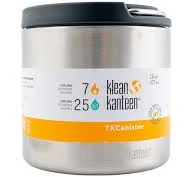
Klean Kanteen
Double Wall Vacuum Insulated Stainless Steel Food Canister Container with Leak Proof Lid
- Stainless steel body, silicone gasket lid seal
- The brand calls it PFAS-free, which we have not verified
- Silicone gasket degradation
3 hazards checked on this product. See all of them.
More lunch boxes grades
How we score, every product runs through the same public 0-100 rubric based on materials, coatings, brand disclosure, lab findings, and recalls. See the full methodology → Spotted a mistake? Report an error.