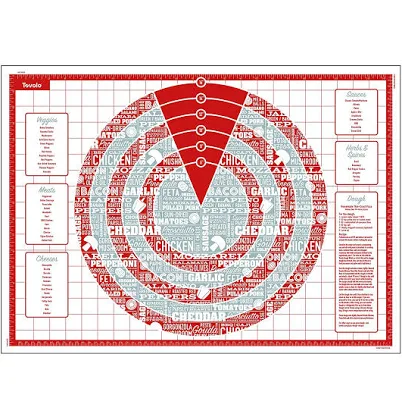
Tovolo · Silicone Cutting & Prep Boards
Tovolo Silicone Pizza Mat, Is It Non-Toxic?
Silicone pizza mat carries lower PFAS concern.
Tovolo's silicone pizza mat is made from silicone, not a material linked to PFAS. The brand has no PFAS statement on record.
The better-graded swap
Fiskars
Functional Form Cutting Board Set, 3-Piece
85/100 safety
Same rubric that flunked this product. The swap earned Excellent.
Still want this one anyway? Check the price on Amazon. We’d swap it.
Material
silicone
Brand disclosure
Brand is silent on PFAS
Lab data
No public lab test
You may also be interested in
Top-graded picks in the categories readers replace first, every one scored on the same rubric.

- polypropylene filter housing, carbon/sediment cartridge
- We found no PFAS statement from the brand
- Bacterial growth in spent cartridges
3 hazards checked on this product, all on its full breakdown.

Aquasure
Premier Series 75 GPD Under Sink Reverse Osmosis Water Filtration System
- RO membrane, carbon filters, stainless steel housing
- We found no PFAS statement from the brand
- Bacterial and microbial growth in housing and filters
4 hazards checked on this product, all on its full breakdown.

Avocado
Vegan Mattress
- organic cotton, natural latex, coconut coir, recycled steel coils
- The brand calls it PFAS-free, which we have not verified
- Heavy metals
2 hazards checked on this product, all on its full breakdown.
Is Tovolo Silicone Pizza Mat non-toxic? What it is made of
Tovolo's pizza mat is food-grade silicone, a synthetic polymer that does not contain Teflon-type coating (Teflon) or ceramic coatings prone to lead/cadmium leaching. Silicone is chemically stable across typical cooking temperatures (up to 500F for most silicone products) and does not degrade into particles or toxic fumes when used as intended. The main material concern with silicone is the manufacturing process and additives rather than the cured polymer itself, which is considered inert by regulatory bodies.
What’s concerning
Category baseline
The starting point for this type of product, before anything specific to this product is counted.
No PFAS disclosure
No public statement from the brand about PFAS in this product.
Silicone microparticle shedding
Low-grade or damaged silicone can shed microparticles, especially at high heat or after physical wear. No recalls exist for Tovolo mats, but user reports of degradation or odor are anecdotal. Risk is reduced by respecting temperature limits and replacing worn mats.
Leachable additives from silicone manufacturing
Silicone may contain uncrosslinked oligomers or processing aids that can leach into food under heat and oil contact. Tovolo does not publicly disclose formulation details or third-party extraction testing. Risk is generally low for food-grade silicone but unverified for this specific product.
What’s reassuring
Base material not linked to PFAS
The main material recorded for this product is not one associated with PFAS.
Teflon-type coating fume risk
Tovolo pizza mat is silicone, not Teflon-type coating coated, so thermal decomposition and fume hazard from Teflon-type coating does not apply.
Lead
Silicone mats have no ceramic glaze, enamel, or paint coating; the hazard class does not apply to this product type.
Source, ATSDR ↗Aluminum or substrate leaching
Silicone mat is typically layered over fiberglass mesh or non-reactive substrate, not bare aluminum. Substrate risk is low if mat is intact and used as directed.
How is this PFAS grade calculated?
The brand's record and disclosure
Tovolo does not publicly claim PFAS-free status or provide detailed material sourcing documentation on this product. The brand has no known product recalls related to cookware safety, and no independent testing results flagging heavy metals or leachables have been reported in public databases. However, the lack of affirmative transparency (e.g., third-party certification, published material specs) means verification of manufacturing controls is limited to trust in FDA food-contact material compliance.
How it compares in its category
Silicone pizza mats are lower concern non-stick alternatives to traditional Teflon-type coating-coated pans or ceramic-glazed cookware, which carry documented thermal decomposition and glazing-leach risks. Unlike metal baking sheets, silicone mats do not interact chemically with acidic foods or oils. The main trade-off is durability and user error; lower-grade silicone can degrade faster or shed microparticles if torn or overheated, whereas stainless steel and cast iron have no such risk.
If you buy it
Store the mat in a cool, dry place away from sharp objects and high heat when not in use. Respect the product's stated temperature ceiling (typically 400-500F depending on formulation) and do not expose it to direct flame or broiler use unless specified. Wash by hand with mild soap; dishwasher cycling can accelerate wear. Replace if visible tears, discoloration, or odor develop, as degraded silicone is more likely to shed fragments or absorb odors from prior cooking.
What is not known about PFAS in this product?
- Basis
- Model estimate, 78% confidence, not a lab result
- Lab test
- None on record for this exact product
- Brand statement
- Tovolo has made none
Formulations change between production runs, so check the current label. How we grade.
What are the PFAS-free alternatives to Tovolo Silicone Pizza Mat?
- Polypropylene or similar plastic; no nonstick or waterproof coating disclosed
- We found no PFAS statement from the brand
- Microplastic shedding from cutting action
4 hazards checked on this product, all on its full breakdown.
More silicone cutting & prep boards grades
How we score, every product runs through the same public 0-100 rubric based on materials, coatings, brand disclosure, lab findings, and recalls. See the full methodology → Spotted a mistake? Report an error.