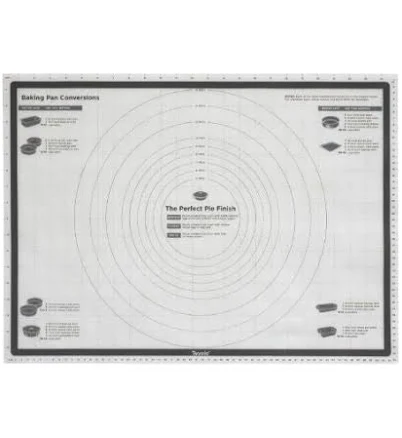
· Silicone Cutting & Prep Boards
TrueBake Pastry Mat, Is It Non-Toxic?
Silicone with no coating described, and no PFAS statement from the brand.
The product information we reviewed describes silicone mat, with no applied coating named. Silicone releases food on its own, so a non-stick claim on a silicone product describes the material rather than a coating. The brand has published no PFAS statement for it.
The better-graded swap
Fiskars
Functional Form Cutting Board Set, 3-Piece
85/100 safety
Same rubric that flunked this product. The swap earned Excellent.
Still want this one anyway? Check the price on Amazon. We’d swap it.
Material
Silicone mat
Brand disclosure
Brand is silent on PFAS
Lab data
No public lab test
You may also be interested in
Top-graded picks in the categories readers replace first, every one scored on the same rubric.

- polypropylene filter housing, carbon/sediment cartridge
- We found no PFAS statement from the brand
- Bacterial growth in spent cartridges
3 hazards checked on this product, all on its full breakdown.

Aquasure
Premier Series 75 GPD Under Sink Reverse Osmosis Water Filtration System
- RO membrane, carbon filters, stainless steel housing
- We found no PFAS statement from the brand
- Bacterial and microbial growth in housing and filters
4 hazards checked on this product, all on its full breakdown.

Avocado
Vegan Mattress
- organic cotton, natural latex, coconut coir, recycled steel coils
- The brand calls it PFAS-free, which we have not verified
- Heavy metals
2 hazards checked on this product, all on its full breakdown.
Is TrueBake Pastry Mat non-toxic? What it is made of
The TrueBake Pastry Mat is a silicone-based cutting and prep board. Food-grade silicone is a synthetic rubber polymer that does not require surface coatings to achieve non-stick properties, making it chemically inert across normal cooking temperatures. Unlike coated cookware or bakeware (which may degrade or leach), bare silicone mats present minimal leaching risk because the material itself is the functional surface.
What’s concerning
Category baseline
The starting point for this type of product, before anything specific to this product is counted.
No PFAS disclosure
No public statement from the brand about PFAS in this product.
Thermal decomposition or fume release
Silicone can degrade if exposed to sustained temperatures above 600 F, but typical kitchen use (baking, food prep) remains well below this threshold. Risk is low unless mat is placed directly in contact with heat sources or flame.
Surface degradation and flaking
Over years of use, silicone mats may lose elasticity, become sticky, or develop surface wear. This is a durability rather than acute toxicity issue, but a degraded mat should be replaced to avoid ingestion of silicone fragments.
What’s reassuring
Base material not linked to PFAS
The main material recorded for this product is not one associated with PFAS.
Leaching from silicone polymer
Food-grade silicone is chemically inert and does not leach concerning compounds into food or liquid under normal use conditions. No documented cases of silicone mat leaching have been established in published safety literature.
Additives in non-food-grade silicone (if mislabeled)
If the product is genuinely food-grade silicone as marketed, additives are minimal. No recalls or confirmed cases of inappropriate material in mats have been reported, but brand transparency on FDA food-contact certification would strengthen confidence.
Contamination during manufacturing or storage
Silicone mats do not require coatings or chemical finishes that introduce hazardous residues. Standard manufacturer hygiene is the primary control; no specific contamination issues are known for this brand.
How is this PFAS grade calculated?
The brand's record and disclosure
The brand is a kitchenware brand with a history of silicone-focused product lines but has not published detailed PFAS or chemical safety statements. No recalls, safety controversies, or third-party certifications (such as FDA food-contact status or independent toxicology testing) are on record for this specific product. The brand's silence on PFAS and materials transparency is typical for mid-tier kitchen brands but does not indicate a known problem.
How it compares in its category
Silicone mats show lower concern for BPA/phthalate leaching compared to some plastics, lead/cadmium compared to some ceramic glazes, and degradation compared to some coated metals. They occupy a middle ground between bare stainless steel (lower concern for nonstick coating risks) and Teflon-coated surfaces (presenting risk of Teflon-type coating fume release at high heat). This product's uncoated silicone design eliminates the need for consumers to monitor coating integrity over time.
If you buy it
Silicone mats are stable up to 400-500 F depending on formulation; confirm the product's heat rating before using near a broiler or direct flame. Clean with warm soapy water; avoid abrasive scouring or high-heat dishwashers if the manufacturer advises against it. Replace if the mat becomes sticky, discolored, or shows physical tearing, which may signal polymer degradation. Store flat or loosely rolled to avoid permanent creasing.
What is not known about PFAS in this product?
- Basis
- Model estimate, 35% confidence, not a lab result
- Lab test
- None on record for this exact product
- Brand statement
- has made none
Formulations change between production runs, so check the current label. How we grade.
What are the PFAS-free alternatives to TrueBake Pastry Mat?
- Polypropylene or similar plastic; no nonstick or waterproof coating disclosed
- We found no PFAS statement from the brand
- Microplastic shedding from cutting action
4 hazards checked on this product, all on its full breakdown.
More silicone cutting & prep boards grades
How we score, every product runs through the same public 0-100 rubric based on materials, coatings, brand disclosure, lab findings, and recalls. See the full methodology → Spotted a mistake? Report an error.