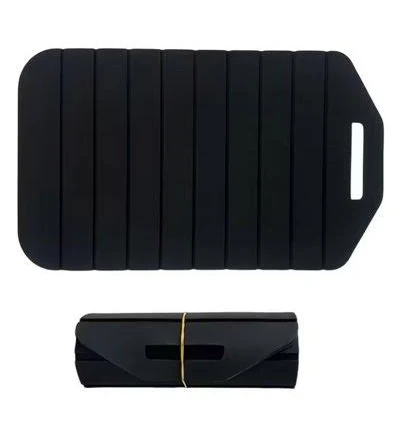
· Silicone Cutting & Prep Boards
Silicone Cutting Board, Is It Non-Toxic?
Food-grade silicone material is not linked to PFAS concern.
Silicone cutting board is made of food-grade silicone, a material not associated with PFAS. The brand has no PFAS statement on record.
The better-graded swap
Fiskars
Functional Form Cutting Board Set, 3-Piece
85/100 safety
Same rubric that flunked this product. The swap earned Excellent.
Still want this one anyway? Check the price on Amazon. We’d swap it.
Material
Food-grade silicone
Brand disclosure
Brand is silent on PFAS
Lab data
No public lab test
You may also be interested in
Top-graded picks in the categories readers replace first, every one scored on the same rubric.

- polypropylene filter housing, carbon/sediment cartridge
- We found no PFAS statement from the brand
- Bacterial growth in spent cartridges
3 hazards checked on this product, all on its full breakdown.

Aquasure
Premier Series 75 GPD Under Sink Reverse Osmosis Water Filtration System
- RO membrane, carbon filters, stainless steel housing
- We found no PFAS statement from the brand
- Bacterial and microbial growth in housing and filters
4 hazards checked on this product, all on its full breakdown.

Avocado
Vegan Mattress
- organic cotton, natural latex, coconut coir, recycled steel coils
- The brand calls it PFAS-free, which we have not verified
- Heavy metals
2 hazards checked on this product, all on its full breakdown.
Is Silicone Cutting Board non-toxic? What it is made of
The brand's silicone cutting board is made from food-grade silicone, a polymer backbone of silicon and oxygen with no fluorine atoms, making PFAS contamination structurally impossible. Food-grade silicone does not leach harmful chemicals under normal kitchen use, heat exposure, or acidic/oily food contact because the polymer chains are chemically inert and cross-linked for stability. Unlike plastic cutting boards, silicone does not degrade into microplastics with repeated cutting or washing.
What’s concerning
Category baseline
The starting point for this type of product, before anything specific to this product is counted.
No PFAS disclosure
No public statement from the brand about PFAS in this product.
Bacterial growth if improperly maintained
If cracks, tears, or deep gouges develop in the silicone surface, bacteria can colonize the damaged areas. Regular inspection and prompt replacement of compromised boards minimizes this risk.
What’s reassuring
Base material not linked to PFAS
The main material recorded for this product is not one associated with PFAS.
Leaching from silicone polymer
Food-grade silicone is chemically cross-linked and does not leach oligomers, BPA, or other endocrine disruptors under normal use. No credible studies document leaching from food-grade silicone cutting boards.
Microplastic generation
Silicone is not a plastic and does not break down into microparticles with cutting or scrubbing. This is a significant safety advantage over polyethylene or polypropylene boards.
Coating degradation or peeling
Silicone cutting boards have no coating layer; the material is homogeneous. There is no glaze, enamel, or paint to chip or degrade.
Colorant or additive safety in pigmented boards
The brand does not disclose the source or composition of pigments used in colored silicone boards. For food-grade silicone, colorants are typically FDA-compliant, but third-party verification is not publicly available.
How is this PFAS grade calculated?
The brand's record and disclosure
The brand does not publicly disclose detailed material sourcing or third-party safety certifications for this product based on available information. No recalls, safety controversies, or manufacturing issues are on record for silicone cutting boards. The brand is a established Canadian kitchenware manufacturer with a consumer-facing presence, though they do not lead on transparent chemical disclosure.
How it compares in its category
Silicone cutting boards avoid the hazards of ceramic-coated boards (lead/cadmium in glazes) and hardwood (bacterial colonization if not sealed). They outperform plastic boards on microplastic shedding and chemical leaching. They are softer than wood or plastic, which some users prefer for knife longevity but others find less stable during cutting.
If you buy it
Hand wash or machine wash in cool to warm water; silicone is heat-stable to roughly 220 degrees Celsius (450F) but no oven use is typically advised by manufacturers. Replace if visible tears, punctures, or permanent discoloration develop, as small cracks can harbor bacteria. Store in a cool, dry place away from direct sunlight to slow minor oxidative aging of the material.
What is not known about PFAS in this product?
- Basis
- Model estimate, 78% confidence, not a lab result
- Lab test
- None on record for this exact product
- Brand statement
- has made none
Formulations change between production runs, so check the current label. How we grade.
What are the PFAS-free alternatives to Silicone Cutting Board?
- Polypropylene or similar plastic; no nonstick or waterproof coating disclosed
- We found no PFAS statement from the brand
- Microplastic shedding from cutting action
4 hazards checked on this product, all on its full breakdown.
More silicone cutting & prep boards grades
How we score, every product runs through the same public 0-100 rubric based on materials, coatings, brand disclosure, lab findings, and recalls. See the full methodology → Spotted a mistake? Report an error.