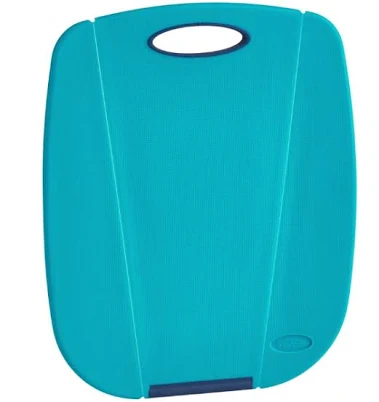
Trudeau · Silicone Cutting & Prep Boards
Trudeau Foldable Cutting Board, Is It Non-Toxic?
Polypropylene cutting board with no coating on record and lower PFAS concern.
The material as recorded is polypropylene, not a material linked to PFAS. No water-repellent finish or coating is listed on record. Trudeau has no PFAS statement on record for this product.
The better-graded swap
Fiskars
Functional Form Cutting Board Set, 3-Piece
85/100 safety
Same rubric that flunked this product. The swap earned Excellent.
Still want this one anyway? Check the price on Amazon. We’d swap it.
Material
Polypropylene (PP) cutting board surface
Brand disclosure
Brand is silent on PFAS
Lab data
No public lab test
You may also be interested in
Top-graded picks in the categories readers replace first, every one scored on the same rubric.

- polypropylene filter housing, carbon/sediment cartridge
- We found no PFAS statement from the brand
- Bacterial growth in spent cartridges
3 hazards checked on this product, all on its full breakdown.

Aquasure
Premier Series 75 GPD Under Sink Reverse Osmosis Water Filtration System
- RO membrane, carbon filters, stainless steel housing
- We found no PFAS statement from the brand
- Bacterial and microbial growth in housing and filters
4 hazards checked on this product, all on its full breakdown.

Avocado
Vegan Mattress
- organic cotton, natural latex, coconut coir, recycled steel coils
- The brand calls it PFAS-free, which we have not verified
- Heavy metals
2 hazards checked on this product, all on its full breakdown.
Is Trudeau Foldable Cutting Board non-toxic? What it is made of
Trudeau Foldable Cutting Board is polypropylene (PP), a thermoplastic polymer chosen for food contact because it resists moisture, is non-porous, and does not leach significant chemicals under normal kitchen conditions (room temperature, no direct heat exposure). PP is a non-halogenated plastic without BPA or bisphenols, which eliminates the primary endocrine disruptor concern in food-contact plastics. The foldable design uses PP hinges or joints; these components are also PP-based and carry the same low-leaching profile.
What’s concerning
Category baseline
The starting point for this type of product, before anything specific to this product is counted.
No PFAS disclosure
No public statement from the brand about PFAS in this product.
Microplastic shedding from surface degradation
Polypropylene cutting boards can shed microscopic plastic particles when surfaces become scratched or abraded by knives over years of use. Risk is low with gentle care (wood rather than metal utensils, avoiding aggressive scrubbing) but increases with age and heavy commercial-style use; no published studies confirm health impact from kitchen cutting board microplastics at typical exposure levels.
Thermal warping and oligomer release
PP has a low melting point (~160°C) and can warp or soften if exposed to sustained heat (near boiling water, direct flame, high-temperature dishwashers). Warping itself is cosmetic, but thermal stress on PP can trigger release of unreacted monomers and oligomers; risk is minimal under normal kitchen use (cutting room-temperature foods) but present if board contacts heat sources.
Bacterial growth in damaged surfaces
Unlike wood, polypropylene is non-porous and does not inherently support bacterial colonization. However, deep knife gouges or cracks can trap food residue and moisture where anaerobic bacteria may grow if not cleaned thoroughly; this is a hygiene issue rather than material toxicity.
What’s reassuring
Base material not linked to PFAS
The main material recorded for this product is not one associated with PFAS.
BPA & bisphenols
Polypropylene is not formulated with BPA, BPS, or phthalates as primary plasticizers. These chemicals are associated with other plastics (PVC, PC, PET); pure PP cutting boards do not contain them under standard manufacturing.
Source, FDA ↗Lead
No regulatory pathway requires lead or cadmium in PP colorants for food-contact items under FDA or international standards. Trudeau cutting boards are typically solid-color or translucent and do not use heavy-metal pigments based on available product descriptions; risk is negligible unless evidence of non-compliance emerges.
Source, ATSDR ↗How is this PFAS grade calculated?
The brand's record and disclosure
Trudeau is a Canadian kitchen-products manufacturer without documented safety violations or product recalls specific to cutting boards in public databases. The brand has not published explicit PFAS statements for this product line, reflecting a broader industry pattern where food-contact cookware makers rarely voluntarily disclose PFAS absence. No third-party certifications (NSF, FDA pre-market approval beyond standard compliance) are publicly listed for this item, though PP itself meets FDA Food Contact Substances (FCS) regulations.
How it compares in its category
Polypropylene cutting boards are a mid-range safety choice compared to alternatives. Wood and bamboo boards avoid plastics entirely but require more maintenance; plastic composite (melamine-based) boards carry higher risk of microplastic shedding with age. High-end glass or ceramic boards avoid leaching but are heavier and breakage-prone. Trudeau's PP option is mainstream, affordable, and avoids the durability degradation seen in softer silicone or rubberized boards over years of use.
If you buy it
Store and use at room temperature only; do not place on hot stovetops, under broilers, or in direct sunlight for prolonged periods, as PP begins to soften above 70-80°C and can warp or leach low-molecular-weight oligomers. Hand-wash with mild soap and warm water; avoid scouring pads that create micro-scratches where bacteria or food particles accumulate. Replace if surface develops deep gouges, discoloration, or odor retention after cleaning. Do not microwave; if used with hot foods, let them cool first.
What is not known about PFAS in this product?
- Basis
- Model estimate, 72% confidence, not a lab result
- Lab test
- None on record for this exact product
- Brand statement
- Trudeau has made none
Formulations change between production runs, so check the current label. How we grade.
What are the PFAS-free alternatives to Trudeau Foldable Cutting Board?
- Polypropylene or similar plastic; no nonstick or waterproof coating disclosed
- We found no PFAS statement from the brand
- Microplastic shedding from cutting action
4 hazards checked on this product, all on its full breakdown.
More silicone cutting & prep boards grades
How we score, every product runs through the same public 0-100 rubric based on materials, coatings, brand disclosure, lab findings, and recalls. See the full methodology → Spotted a mistake? Report an error.