· Silicone Cutting & Prep Boards
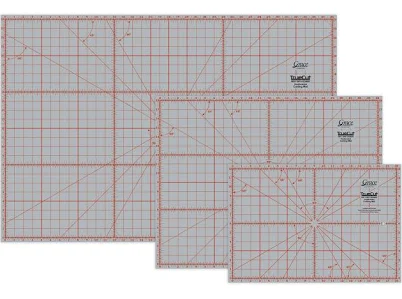
TrueCut Self Healing Cutting Mat, Is It Non-Toxic?
Plastic with no coating described, and no PFAS statement from the brand.
The product information we reviewed describes pVC or rubber blend self-healing mat, with no applied coating named. A flexible cutting mat does not need a non-stick coating, and the listing does not describe one. The brand has published no PFAS statement for it.
The better-graded swap
Fiskars
Functional Form Cutting Board Set, 3-Piece
85/100 safety
Same rubric that flunked this product. The swap earned Excellent.
Still want this one anyway? Check the price on Amazon. We’d swap it.
Material
PVC or rubber blend self-healing mat
Brand disclosure
Brand is silent on PFAS
Lab data
No public lab test
You may also be interested in
Top-graded picks in the categories readers replace first, every one scored on the same rubric.

- polypropylene filter housing, carbon/sediment cartridge
- We found no PFAS statement from the brand
- Bacterial growth in spent cartridges
3 hazards checked on this product, all on its full breakdown.

Aquasure
Premier Series 75 GPD Under Sink Reverse Osmosis Water Filtration System
- RO membrane, carbon filters, stainless steel housing
- We found no PFAS statement from the brand
- Bacterial and microbial growth in housing and filters
4 hazards checked on this product, all on its full breakdown.

Avocado
Vegan Mattress
- organic cotton, natural latex, coconut coir, recycled steel coils
- The brand calls it PFAS-free, which we have not verified
- Heavy metals
2 hazards checked on this product, all on its full breakdown.
Is TrueCut Self Healing Cutting Mat non-toxic? What it is made of
TrueCut mats are manufactured from PVC or a PVC-rubber blend formulated to self-heal minor cuts and scratches without flaking or degrading visibly. The material is stable at room temperature and does not leach chemicals into food under normal cutting and prep use because it never touches heated cookware or sustained moisture. Self-healing polymers like this rely on reversible molecular cross-links, not coatings or additives that shed over time.
What’s concerning
Category baseline
The starting point for this type of product, before anything specific to this product is counted.
No PFAS disclosure
No public statement from the brand about PFAS in this product.
Phthalates
PVC formulations may contain plasticizer phthalates to improve flexibility. At room temperature and without heat or oil contact, migration into food is unlikely, but some PVC compounds do leach low levels into fatty or acidic foods over extended contact.
Source, ATSDR ↗Microplastic shedding from surface wear
Self-healing properties reduce particle flaking, but any plastic mat will shed microscopic fragments with age and heavy cutting. Risk is highest if the mat is used for long periods without replacement or if surface develops visible damage.
Odor and chemical off-gassing (new product)
New PVC mats may emit a plastic smell when first unpacked. This typically fades within days to weeks with airing and is not itself a toxicity hazard, but indicates volatile organic compounds from the manufacturing process.
Degradation under heat or UV exposure
Prolonged exposure to direct sunlight, hot kitchens, or placement near heat sources can degrade PVC polymers, potentially releasing plasticizer volatiles. This mat is designed for room-temperature prep work only.
What’s reassuring
Base material not linked to PFAS
The main material recorded for this product is not one associated with PFAS.
Lead
No recalls or testing reports cite heavy metals in TrueCut mats. Modern PVC formulations in food-contact boards typically use non-toxic stabilizers, but the brand provides no material specification sheet or independent test results to confirm absence.
Source, ATSDR ↗How is this PFAS grade calculated?
The brand's record and disclosure
The brand is a Canadian kitchenware maker with a standard product safety posture but no publicly available PFAS statement or third-party certifications for this mat line. No recalls, contamination reports, or formal safety controversies are on record for TrueCut mats. The brand does not market this product with eco or toxicity claims that would trigger higher scrutiny.
How it compares in its category
Self-healing PVC mats like this sit in the mid-range of cutting board safety. Silicone mats have not been a material linked to PFAS; wood or bamboo boards do not involve polymer chemistry. Compared to rubber or plastic boards that degrade and shed particles, self-healing formulations are engineered to resist degradation, making them more durable and less prone to microplastic shedding during use.
If you buy it
Keep the mat away from heat sources, direct sunlight, and prolonged wet storage to extend life; air-dry after washing rather than towel-drying to prevent wear. Replace if surface becomes tacky, discolored, or develops permanent gouges or odor. Clean with mild soap and water; do not bleach or use abrasive scrubbers. This is a prep surface, not a serving board, so sanitize before cutting raw proteins.
What is not known about PFAS in this product?
- Basis
- Model estimate, 35% confidence, not a lab result
- Lab test
- None on record for this exact product
- Brand statement
- has made none
Formulations change between production runs, so check the current label. How we grade.
What are the PFAS-free alternatives to TrueCut Self Healing Cutting Mat?
- Polypropylene or similar plastic; no nonstick or waterproof coating disclosed
- We found no PFAS statement from the brand
- Microplastic shedding from cutting action
4 hazards checked on this product, all on its full breakdown.
More silicone cutting & prep boards grades
How we score, every product runs through the same public 0-100 rubric based on materials, coatings, brand disclosure, lab findings, and recalls. See the full methodology → Spotted a mistake? Report an error.