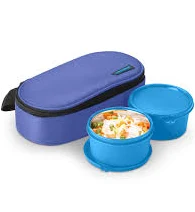
Trueware Stainless Steel Lunch Box With 2 Steel Containers
Lower concern. Bare stainless steel has no PFAS coating risks.
Trueware's stainless steel lunch box uses uncoated stainless steel containers, which are inherently lower concern for PFAS. No applied coatings or treatments identified in public product information.
We flunk more products than we pass. This one earned its grade. How we grade
Material
Stainless steel containers and box
Brand disclosure
Brand is silent on PFAS
Lab data
No public lab test
What Trueware Stainless Steel Lunch Box With 2 is made of, ingredients and materials
This product is constructed from stainless steel (typically 18/8 or 304-grade), an alloy of iron, chromium, and nickel. Stainless steel does not leach BPA, phthalates, or microplastics into food because it has no polymer matrix or plastic coating. The metal itself is inert in contact with typical foods and beverages at normal storage and use temperatures. This is distinct from plastic or ceramic food storage, where coating degradation or polymer breakdown can release compounds into food.
What’s concerning
Category baseline
The starting point for this type of product, before anything specific to this product is counted.
No PFAS disclosure
No public statement from the brand about PFAS in this product.
Nickel leaching from stainless steel alloy
Stainless steel contains nickel (typically 8-10% in 304-grade). Nickel leaching is rare under normal storage conditions but can occur if the steel is scratched, corroded, or exposed to acidic foods for extended periods. Individuals with nickel sensitivity may experience contact dermatitis from container handles; ingested nickel from food contact is not established as a health risk at typical expos
Bacterial growth from improper sealing or maintenance
If seals or lids degrade or are not kept clean, bacterial growth can occur in residual food debris, particularly in compartments between containers. This is a usage and maintenance issue, not a material hazard. Regular hand washing and air drying prevent this. Trueware does not publish seal replacement protocols; inspect seals annually for cracks or loss of elasticity.
Metal corrosion or discoloration (cosmetic, not health)
Stainless steel can develop water spots, rust stains, or surface pitting if exposed to chlorine, salt water, or certain acidic foods over time. This is cosmetic degradation and does not release harmful compounds into food. However, deep pitting could eventually compromise structural integrity and warrant replacement. No established data on Trueware container lifespan under typical use.
What’s reassuring
Bare uncoated material
Recorded as a bare, uncoated material with no surface coating or treatment.
BPA & bisphenols
The containers and box are stainless steel; if any gaskets, seals, or lid liners are plastic, they could theoretically release BPA or phthalates, but no plastic components are named in the product description. Assuming all food-contact surfaces are metal, no BPA or phthalate risk is present. If silicone gaskets are used (common in stainless steel lunch boxes), silicone does not release BPA or phth
Source, FDA ↗Microplastics
Stainless steel does not shed microplastics. This hazard applies only to plastic or composite food containers. Metal containers pose no microplastic ingestion risk.
Source, EPA ↗The full breakdown
The brand's record and disclosure
Trueware maintains a silent stance on PFAS and chemical safety disclosures; no public certifications (BPA-free, third-party testing, or material compliance documentation) are recorded for this brand. No product recalls, contamination incidents, or safety controversies are on record for Trueware stainless steel lunch boxes. The absence of disclosure is typical for metal foodware brands, which do not face the same regulatory scrutiny or consumer demand for transparency as plastic or non-stick cookware manufacturers.
How it compares in its category
Stainless steel lunch boxes are among the lowest-concern choices in food storage and packaging. They avoid the leaching risks associated with plastic containers (BPA, phthalates, microplastics when heated) and the coating degradation risks of ceramic or enamel-lined boxes. Metal containers do not require PFAS-free certifications because bare stainless steel contains no fluorinated coatings. The main trade-off is weight and cost compared to plastic alternatives.
If you buy it
Stainless steel containers are durable and do not degrade under normal use. Do not use in microwave ovens (metal conducts heat unevenly and poses electrical risk). Hand wash with mild detergent to avoid discoloration from water deposits; dry promptly to prevent spotting. Replace only if seals or hinges fail, or dents compromise structural integrity. Stainless steel has no meaningful shelf life limitations in food contact.
What we don’t know
- Basis
- Model estimate, 82% confidence, not a lab result
- Lab test
- None on record for this exact product
- Brand statement
- Trueware has made none
Formulations change between production runs, so check the current label. How we grade.
Better-graded alternatives in Lunch Boxes
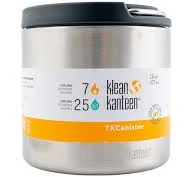
Klean Kanteen
Double Wall Vacuum Insulated Stainless Steel Food Canister Container with Leak Proof Lid
- Stainless steel body, silicone gasket lid seal
- The brand calls it PFAS-free, which we have not verified
- Silicone gasket degradation
3 hazards checked on this product. See all of them.
More lunch boxes grades
How we score, every product runs through the same public 0-100 rubric based on materials, coatings, brand disclosure, lab findings, and recalls. See the full methodology → Spotted a mistake? Report an error.