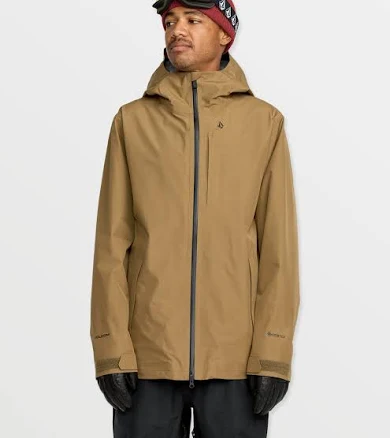
Volcom · Ski & Snowboard Jackets
Men's Volcom Tester 3L Gore-Tex Jacket
Gore-Tex typically uses Teflon-type coating; no public PFAS disclosure from Volcom.
Gore-Tex membranes are traditionally Teflon-type coating-based, a known Teflon-family coating. Volcom provides no public information on PFAS content or water-repellent coating chemistry. Uncertainty warrants caution if PFAS avoidance is important.
Still want this one anyway? Check the price on Amazon. We’d swap it.
Material
Gore-Tex membrane with water-repellent coating finish
Brand disclosure
Brand is silent on PFAS
Lab data
No public lab test
You may also be interested in
Top-graded picks in the categories readers replace first, every one scored on the same rubric.

- polypropylene filter housing, carbon/sediment cartridge
- We found no PFAS statement from the brand
- Bacterial growth in spent cartridges
3 hazards checked on this product, all on its full breakdown.

Aquasure
Premier Series 75 GPD Under Sink Reverse Osmosis Water Filtration System
- RO membrane, carbon filters, stainless steel housing
- We found no PFAS statement from the brand
- Bacterial and microbial growth in housing and filters
4 hazards checked on this product, all on its full breakdown.

Avocado
Vegan Mattress
- organic cotton, natural latex, coconut coir, recycled steel coils
- The brand calls it PFAS-free, which we have not verified
- Heavy metals
2 hazards checked on this product, all on its full breakdown.
What Men's Volcom Tester 3L Gore-Tex Jacket is made of, ingredients and materials
This jacket uses a Gore-Tex membrane (expanded Teflon-type coating) laminated to outer and inner fabrics, topped with a water-repellent coating (water-repellent coating) finish. The water-repellent coating is applied to resist water and stains; historically Gore-Tex and similar premium membranes have relied on fluorinated compounds (PFAS) for this effect, though Gore has stated some products now use fluorine-free alternatives. The polyester shell fabric itself is stable and not a primary concern, but the water-repellent coating finish on the surface is the chemical load you're exposed to through skin contact and any off-gassing, especially when warm or wet.
What’s concerning
Waterproof / stain-resistant treatment
Water-repellent coating treatments have historically used PFAS.
Category baseline
The starting point for this type of product, before anything specific to this product is counted.
No PFAS disclosure
No public statement from the brand about PFAS in this product.
PFAS
Gore-Tex jackets typically use Teflon-type coating-based or fluorocarbon water-repellent coating coatings. Volcom provides no public disclosure. Skin contact and wear release these chemicals; they bioaccumulate and persist in the environment. See PFAS grade separately.
Source, ATSDR ↗Polyester antimony catalyst residue
The polyester shell fabric may contain trace antimony from polymerization catalysts. Exposure is minimal in typical wear, but heat or repeated washing may increase leaching. No specific data for Volcom fabrics available.
Membrane delamination and microfiber shedding
Gore-Tex jackets can delaminate with age or improper care (heat, mechanical stress). Delaminated Teflon-type coating fragments are inert but represent product failure rather than acute toxicity hazard. Replace if visible separation occurs.
What’s reassuring
Formaldehyde / VOCs
No public record of formaldehyde-based shrink-resist or dye fixatives in Gore-Tex apparel lines. If present, cold washing before wear minimizes any off-gassing. This hazard is not established for this product.
Source, ATSDR ↗Azo dyes and color contamination
High-end technical outerwear brands typically avoid restricted azo dyes. Volcom is not on record for violations. Standard risk is low for this category and price point.
How is this PFAS grade calculated?
The brand's record and disclosure
Volcom does not publicly disclose whether this specific jacket uses fluorinated or fluorine-free water-repellent coating treatments. Gore-Tex (the membrane licensor) has announced a transition toward fluorine-free options in some product lines but has not eliminated PFAS-based water-repellent coating entirely across all partners or products. Volcom has no known major safety certifications or public chemical transparency commitments on record. The silence on water-repellent coating chemistry is standard in the apparel industry but represents a gap in accountability given PFAS' documented health and environmental persistence.
How it compares in its category
Premium waterproof jackets typically rely on fluorinated water-repellent coating or Teflon-type coating membranes; this Volcom sits in the mainstream high-end market. Alternatives using fluorine-free water-repellent coating treatments (some Patagonia, Rab, and Arc'teryx models) exist but may cost more or trade durability. Budget waterproof jackets often use polyurethane membranes or PVC coatings, which avoid PFAS but may off-gas volatile organics and degrade faster. The Gore-Tex standard is durable and breathable, but PFAS exposure risk is higher than fluorine-free alternatives.
If you buy it
Wash separately in cold water with mild detergent before first wear to reduce residual water-repellent coating transfer to skin. Avoid prolonged heat exposure (direct sunlight, tumble dry, or steam); heat can increase off-gassing and degrade the membrane. Reapply water-repellent coating treatment every 1-2 seasons using fluorine-free products if available, or accept reduced water resistance as an alternative to re-fluorination. Check fit and seams annually; replace if delamination occurs or seams fail, as a compromised membrane has no safety advantage.
What is not known about PFAS in this product?
- Basis
- Model estimate, 45% confidence, not a lab result
- Lab test
- None on record for this exact product
- Brand statement
- Volcom has made none
Formulations change between production runs, so check the current label. How we grade.
What are the PFAS-free alternatives to Men's Volcom Tester 3L Gore-Tex Jacket?
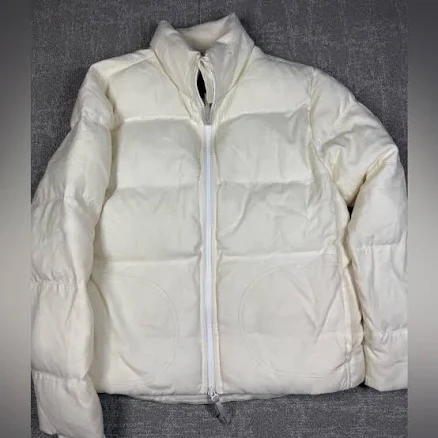
- Wool blend with synthetic fill (likely polyester)
- We found no PFAS statement from the brand
- water-repellent coating (water-repellent coating) coating composition
3 hazards checked on this product, all on its full breakdown.
Find an alternative on Amazon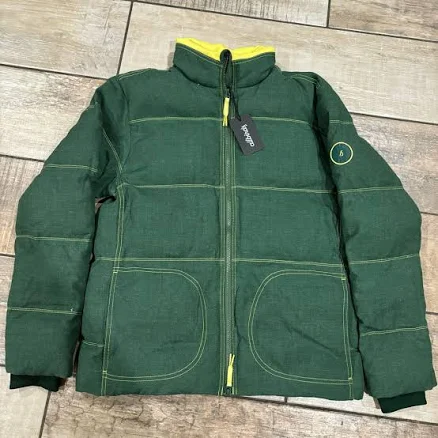
Allbirds
Jackets & Coats Allbirds Men's Trino Puffer Jacket Full Zip Wool Blend Forest Green Coat Size Sm
- wool blend (natural fiber dominant)
- We found no PFAS statement from the brand
- water-repellent coating (water-repellent coating) treatment - undisclosed chemistry
2 hazards checked on this product, all on its full breakdown.
Find an alternative on Amazon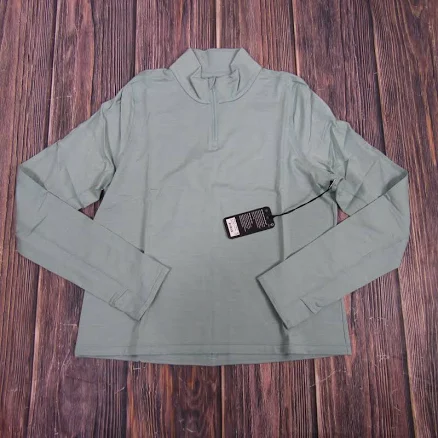
- Merino wool blend (natural fiber)
- We found no PFAS statement from the brand
- Azo dyes and synthetic dye residue
3 hazards checked on this product, all on its full breakdown.
Find an alternative on AmazonMore ski & snowboard jackets grades
How we score, every product runs through the same public 0-100 rubric based on materials, coatings, brand disclosure, lab findings, and recalls. See the full methodology → Spotted a mistake? Report an error.