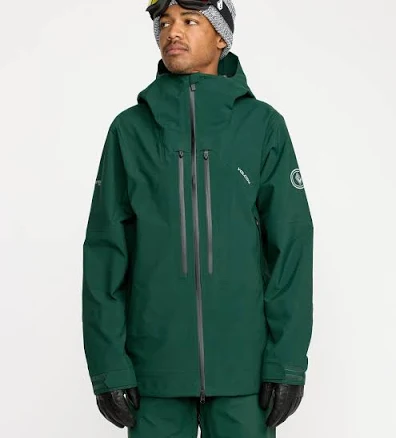
Volcom · Ski & Snowboard Jackets
Volcom Anyox Guide Gore Pro Shell Jacket Men's
Gore-Tex Pro likely contains PFAS; Volcom silent on composition and PFAS use.
Gore-Tex Pro shell jackets typically use PFAS-based waterproof membranes and water-repellent coating coatings. Volcom discloses no PFAS policy or testing data for this product.
Still want this one anyway? Check the price on Amazon. We’d swap it.
Material
Gore-Tex Pro shell with water-repellent coating finish
Brand disclosure
Brand is silent on PFAS
Lab data
No public lab test
You may also be interested in
Top-graded picks in the categories readers replace first, every one scored on the same rubric.

- polypropylene filter housing, carbon/sediment cartridge
- We found no PFAS statement from the brand
- Bacterial growth in spent cartridges
3 hazards checked on this product, all on its full breakdown.

Aquasure
Premier Series 75 GPD Under Sink Reverse Osmosis Water Filtration System
- RO membrane, carbon filters, stainless steel housing
- We found no PFAS statement from the brand
- Bacterial and microbial growth in housing and filters
4 hazards checked on this product, all on its full breakdown.

Avocado
Vegan Mattress
- organic cotton, natural latex, coconut coir, recycled steel coils
- The brand calls it PFAS-free, which we have not verified
- Heavy metals
2 hazards checked on this product, all on its full breakdown.
What Volcom Anyox Guide Gore Pro Jacket Men's is made of, ingredients and materials
This jacket uses Gore-Tex Pro, a laminated polyester-polyurethane membrane bonded to outer and lining fabrics. The water-repellent coating (water-repellent coating) finish on the shell is the likely vector for PFAS compounds, which are applied to achieve water and stain resistance without breathability loss. Gore-Tex Pro's construction itself is Teflon-type coating-based but encapsulated; the primary exposure concern is the surface water-repellent coating treatment, which degrades with washing and wear, potentially releasing bound PFAS into sweat and contact water over the jacket's lifetime.
What’s concerning
Waterproof / stain-resistant treatment
Water-repellent coating treatments have historically used PFAS.
Category baseline
The starting point for this type of product, before anything specific to this product is counted.
No PFAS disclosure
No public statement from the brand about PFAS in this product.
PFAS
Gore-Tex Pro shells rely on PFAS-containing water-repellent coating coatings per industry standard. Volcom discloses neither water-repellent coating chemistry nor PFAS phase-out, making exposure duration and concentration unknowable without independent testing.
Source, ATSDR ↗Coating degradation and leachables from laminate adhesives
Polyurethane adhesive bonding Gore-Tex to outer and lining fabrics can degrade over time, especially with heat or aggressive washing. Chemical leachates from degraded adhesive are not well-characterized in published literature for this specific product.
What’s reassuring
Formaldehyde / VOCs
No reported formaldehyde resin treatments, wrinkle-resistance, or dye-related incidents recorded for Volcom Gore-Tex shell jackets. Polyester base and technical dyeing are low-risk for formaldehyde contamination in this product class.
Source, ATSDR ↗Heavy metals
Volcom shells typically use acid or disperse dyes on polyester, which carry minimal azo dye or heavy metal risk if produced to standard apparel safety protocols. No specific concerns documented for this brand.
Source, FDA ↗Antimony in polyester fiber
Antimony trioxide is sometimes used as a catalyst in polyester production but is not a recognized hazard in finished apparel under normal wear conditions. No evidence of elevated antimony in Volcom jackets; standard industry controls apply.
How is this PFAS grade calculated?
The brand's record and disclosure
Volcom has not published substantive PFAS reduction commitments, timelines, or material sourcing transparency on their technical apparel lines. The brand does not list Gore-Tex Pro jacket composition beyond generic fiber type, leaving water-repellent coating chemistry unspecified to consumers. This silence contrasts with competitors (e.g., Patagonia, Arc'teryx) who disclose PFAS phase-out efforts or use PFAS-free water-repellent coating alternatives. No major safety recalls or formaldehyde/azo dye incidents are on record for Volcom shell jackets.
How it compares in its category
Gore-Tex Pro remains the industry standard for waterproof-breathable technical shells, but carries inherent PFAS legacy. Alternatives like eVent or Polartec NeoShell use different chemistries with lower PFAS certainty, though no membrane is guaranteed PFAS-free without explicit third-party verification. Volcom's silent stance puts it below brands with published PFAS roadmaps. Price and performance metrics place it mid-range for shell jackets; durability is strong if care protocols are followed.
If you buy it
Wash infrequently in cool water with mild soap; avoid heavy detergents and fabric softeners, which accelerate water-repellent coating breakdown and may increase PFAS leaching. Never dry-clean or use hot water, as heat degrades the membrane bond and coating. Replace when water no longer beads on the outer shell (typically 3-5 years with normal use), signaling water-repellent coating failure and end-of-life for the garment. Ensure good ventilation during and after wear to minimize PFAS vapor inhalation from the jacket surface.
What is not known about PFAS in this product?
- Basis
- Model estimate, 35% confidence, not a lab result
- Lab test
- None on record for this exact product
- Brand statement
- Volcom has made none
Formulations change between production runs, so check the current label. How we grade.
What are the PFAS-free alternatives to Volcom Anyox Guide Gore Pro Shell Jacket Men's?
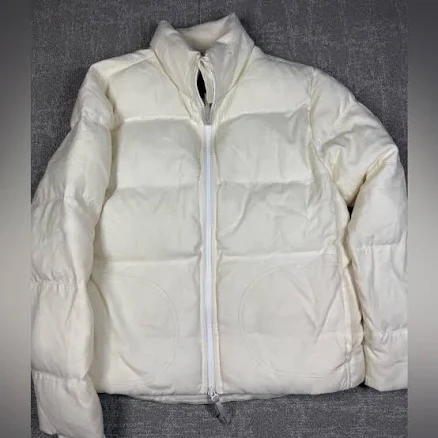
- Wool blend with synthetic fill (likely polyester)
- We found no PFAS statement from the brand
- water-repellent coating (water-repellent coating) coating composition
3 hazards checked on this product, all on its full breakdown.
Find an alternative on Amazon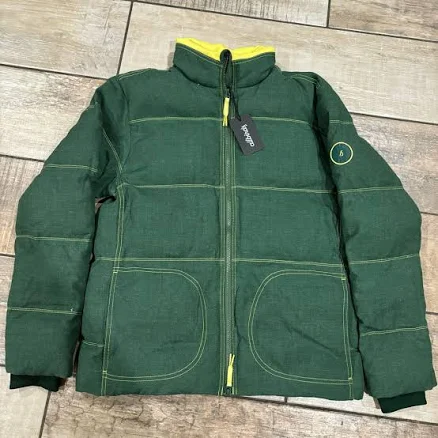
Allbirds
Jackets & Coats Allbirds Men's Trino Puffer Jacket Full Zip Wool Blend Forest Green Coat Size Sm
- wool blend (natural fiber dominant)
- We found no PFAS statement from the brand
- water-repellent coating (water-repellent coating) treatment - undisclosed chemistry
2 hazards checked on this product, all on its full breakdown.
Find an alternative on Amazon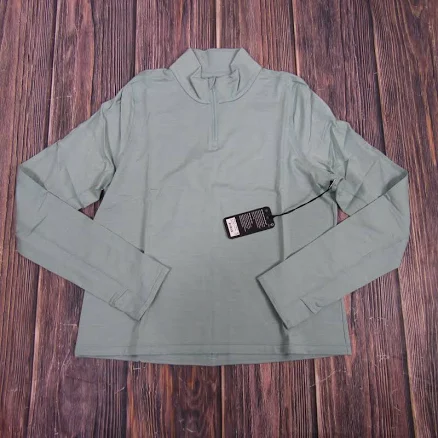
- Merino wool blend (natural fiber)
- We found no PFAS statement from the brand
- Azo dyes and synthetic dye residue
3 hazards checked on this product, all on its full breakdown.
Find an alternative on AmazonMore ski & snowboard jackets grades
How we score, every product runs through the same public 0-100 rubric based on materials, coatings, brand disclosure, lab findings, and recalls. See the full methodology → Spotted a mistake? Report an error.