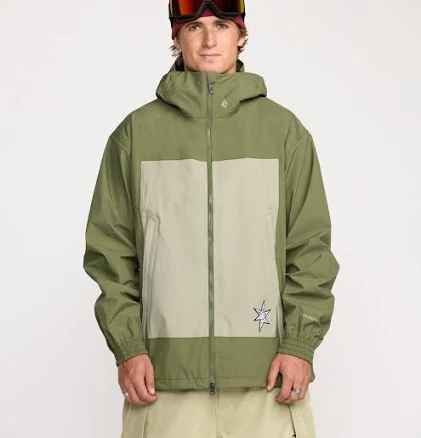
Volcom · Ski & Snowboard Jackets
Volcom Arthur 3L Jacket Men's
Waterproof jacket with unknown water-repellent coating chemistry; PFAS risk unclear.
Volcom provides no public disclosure of PFAS status or water-repellent coating treatment specifics on this 3L jacket. Standard waterproof apparel often uses fluorinated coatings, but brand transparency is absent.
Still want this one anyway? Check the price on Amazon. We’d swap it.
Material
Polyester with 3L waterproof membrane, water-repellent coating treatment unspecified
Brand disclosure
Brand is silent on PFAS
Lab data
No public lab test
You may also be interested in
Top-graded picks in the categories readers replace first, every one scored on the same rubric.

- polypropylene filter housing, carbon/sediment cartridge
- We found no PFAS statement from the brand
- Bacterial growth in spent cartridges
3 hazards checked on this product, all on its full breakdown.

Aquasure
Premier Series 75 GPD Under Sink Reverse Osmosis Water Filtration System
- RO membrane, carbon filters, stainless steel housing
- We found no PFAS statement from the brand
- Bacterial and microbial growth in housing and filters
4 hazards checked on this product, all on its full breakdown.

Avocado
Vegan Mattress
- organic cotton, natural latex, coconut coir, recycled steel coils
- The brand calls it PFAS-free, which we have not verified
- Heavy metals
2 hazards checked on this product, all on its full breakdown.
What Volcom Arthur 3L Jacket Men's is made of, ingredients and materials
The Volcom Arthur 3L uses polyester fabric with a 3-layer waterproof membrane, a standard construction for budget-to-mid-range rain jackets. The 3L structure typically consists of polyester outer shell, glued polyurethane or polyester membrane middle layer, and polyester lining. Polyester itself is stable and poses minimal chemical hazard at normal wearing temperatures, but the waterproofing treatment (water-repellent coating, water-repellent coating) applied to the outer shell is the variable; Volcom has not publicly disclosed whether this uses fluorinated PFAS compounds or newer alternatives.
What’s concerning
Waterproof / stain-resistant treatment
Water-repellent coating treatments have historically used PFAS.
Category baseline
The starting point for this type of product, before anything specific to this product is counted.
No PFAS disclosure
No public statement from the brand about PFAS in this product.
Azo dyes (color fastness toxins)
Polyester outer shells can be dyed with azo dyes, which may release carcinogenic amines under degradation or heavy sweat/sun exposure. No test data available for the Volcom Arthur specifically; risk is low but common across polyester outerwear.
Phthalates
The polyurethane or polyester membrane layer may contain phthalates to improve flexibility; these do not migrate into skin under normal wearing conditions but can off-gas slightly indoors if jacket is stored in warm spaces. No brand or product-specific reports.
Source, ATSDR ↗Microplastic shedding from coating degradation
3L membranes and water-repellent coating coatings shed microplastics with repeated washing and abrasion over years. This is a known issue across the rain jacket category; durability and care practices (cool wash, less frequent laundering) reduce shedding rate.
What’s reassuring
Formaldehyde / VOCs
Polyester and polyurethane membranes do not inherently require formaldehyde binders. No recalls or safety notices on record for this product or brand model related to formaldehyde off-gassing from 3L jackets.
Source, ATSDR ↗Antimony in polyester
Antimony trioxide is used as a polymerization catalyst in polyester production but is tightly bound in the polymer chain and does not leach at normal wearing temperatures. No documented health incidents from antimony in polyester apparel.
How is this PFAS grade calculated?
The brand's record and disclosure
Volcom is a subsidiary of Authentic Brands Group and does not maintain a public position statement on PFAS use or elimination timelines. The brand has not earned third-party certifications such as Bluesign or Cradle to Cradle that would signal commitment to restricted chemistry. No major safety recalls or chemical controversies are on record for this specific model. Volcom's transparency regarding waterproofing treatments lags behind competitors like Patagonia and Arc'teryx, which explicitly declare fluorine-free or lower-concern options.
How it compares in its category
The Volcom Arthur sits in the commodity rain jacket segment where water-repellent coating composition varies widely and is rarely disclosed to consumers. Competitors at similar price points (e.g., Columbia, The North Face entry lines) similarly omit water-repellent coating chemistry details, though some now offer PFAS-free variants clearly labeled as such. Premium brands (Patagonia, Arc'teryx, Mountain Hardwear) have begun phasing in disclosed fluorine-free or PFAS-free coatings, making them more transparent if costlier. This product does not stand out as higher or lower risk relative to its peers, but the lack of transparency is the norm rather than exception in this price tier.
If you buy it
Wash the jacket in cool water with mild detergent and avoid fabric softener or heat-drying, which can degrade the membrane and water-repellent coating finish. Do not iron or expose to direct high heat; air dry flat or on a hanger. Reapply water-repellent coating treatment (via commercial spray or wash-in products) every 1-2 seasons as durability fades with wear and laundering. If you have concerns about PFAS exposure, contact Volcom directly to request water-repellent coating composition data before purchasing, though response likelihood is low.
What is not known about PFAS in this product?
- Basis
- Model estimate, 45% confidence, not a lab result
- Lab test
- None on record for this exact product
- Brand statement
- Volcom has made none
Formulations change between production runs, so check the current label. How we grade.
What are the PFAS-free alternatives to Volcom Arthur 3L Jacket Men's?
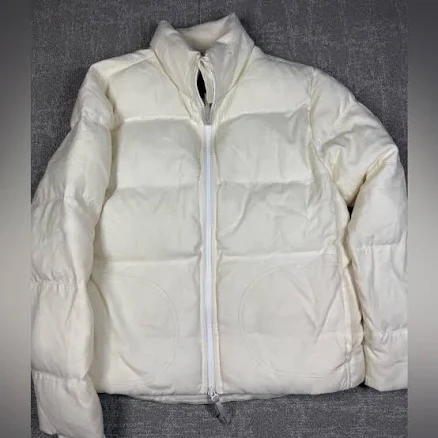
- Wool blend with synthetic fill (likely polyester)
- We found no PFAS statement from the brand
- water-repellent coating (water-repellent coating) coating composition
3 hazards checked on this product, all on its full breakdown.
Find an alternative on Amazon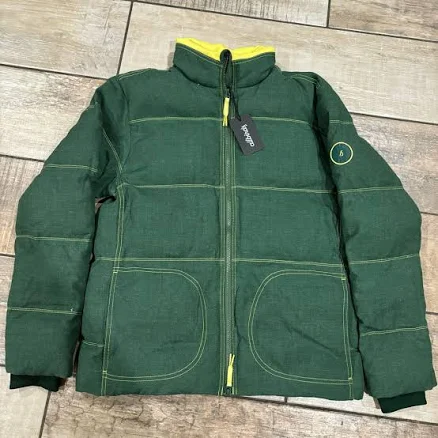
Allbirds
Jackets & Coats Allbirds Men's Trino Puffer Jacket Full Zip Wool Blend Forest Green Coat Size Sm
- wool blend (natural fiber dominant)
- We found no PFAS statement from the brand
- water-repellent coating (water-repellent coating) treatment - undisclosed chemistry
2 hazards checked on this product, all on its full breakdown.
Find an alternative on Amazon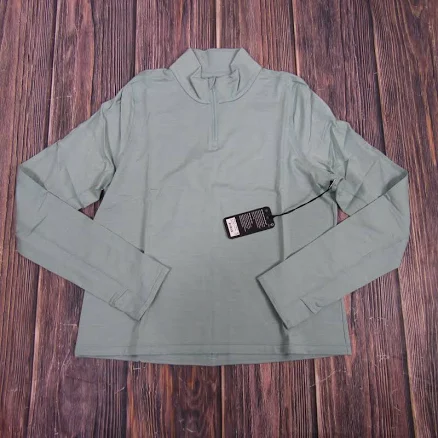
- Merino wool blend (natural fiber)
- We found no PFAS statement from the brand
- Azo dyes and synthetic dye residue
3 hazards checked on this product, all on its full breakdown.
Find an alternative on AmazonMore ski & snowboard jackets grades
How we score, every product runs through the same public 0-100 rubric based on materials, coatings, brand disclosure, lab findings, and recalls. See the full methodology → Spotted a mistake? Report an error.