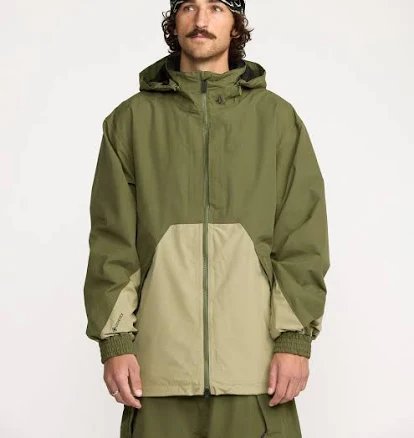
Volcom · Ski & Snowboard Jackets
Volcom Longo Gore-Tex Jacket Men's
Gore-Tex jackets typically use PFAS-based water-repellent coating; Volcom has not disclosed alternatives.
Gore-Tex fabric inherently relies on Teflon-family coating for waterproofing. Volcom makes no PFAS disclosure for this product. Higher concern without independent verification of water-repellent coating treatment composition.
Still want this one anyway? Check the price on Amazon. We’d swap it.
Material
Gore-Tex membrane with water-repellent coating-treated outer layer
Brand disclosure
Brand is silent on PFAS
Lab data
No public lab test
You may also be interested in
Top-graded picks in the categories readers replace first, every one scored on the same rubric.

- polypropylene filter housing, carbon/sediment cartridge
- We found no PFAS statement from the brand
- Bacterial growth in spent cartridges
3 hazards checked on this product, all on its full breakdown.

Aquasure
Premier Series 75 GPD Under Sink Reverse Osmosis Water Filtration System
- RO membrane, carbon filters, stainless steel housing
- We found no PFAS statement from the brand
- Bacterial and microbial growth in housing and filters
4 hazards checked on this product, all on its full breakdown.

Avocado
Vegan Mattress
- organic cotton, natural latex, coconut coir, recycled steel coils
- The brand calls it PFAS-free, which we have not verified
- Heavy metals
2 hazards checked on this product, all on its full breakdown.
What Volcom Longo Gore-Tex Jacket Men's is made of, ingredients and materials
The Volcom Longo uses a Gore-Tex laminated membrane (polytetrafluoroethylene-based breathable film) bonded to outer and inner fabric layers. The outer layer is treated with water-repellent coating (water-repellent coating) finish to shed water without relying on the membrane alone. Gore-Tex jackets typically employ fluorinated water-repellent coating formulations (PFAS-based) to achieve the performance standard required for ski use; Volcom has not publicly disclosed whether this model uses a fluorine-free alternative.
What’s concerning
Waterproof / stain-resistant treatment
Water-repellent coating treatments have historically used PFAS.
Category baseline
The starting point for this type of product, before anything specific to this product is counted.
No PFAS disclosure
No public statement from the brand about PFAS in this product.
water-repellent coating (water-repellent coating) coating composition
Gore-Tex jackets, including this model, conventionally use PFAS-based water-repellent coating finishes (polyfluorinated compounds) to meet water-shedding standards. This is covered separately in your PFAS grade; the concern is established in public literature and regulatory focus.
Azo dyes in synthetic textiles
Outer fabric and lining are typically polyester or nylon blends, common carriers for azo dyes in mass-produced apparel. Volcom has not disclosed dye chemistry or compliance with restricted substances lists; this remains a category-level risk rather than brand-specific.
Formaldehyde / VOCs
Synthetic outerwear often uses formaldehyde-based resins for wrinkle resistance, water repellency pre-treatment, and softness. Volcom does not publish chemical inventories; presence is plausible but not confirmed for this specific jacket.
Source, ATSDR ↗Membrane adhesive and lamination degradation over time
Gore-Tex lamination relies on polyurethane or acrylic adhesives. Heat, humidity, and repeated flexing can cause delamination, releasing polymer fragments and adhesive residues; this is a durability and long-term wear hazard rather than acute toxicity.
What’s reassuring
Antimony in polyester fibers
Antimony is used as a catalyst in polyester production but is not migrating or a concern in finished, non-degraded fabric. No specific issue on record for Volcom outerwear.
How is this PFAS grade calculated?
The brand's record and disclosure
Volcom, a subsidiary of Authentic Brands Group (owned by Boardriders Inc.), has not issued transparent PFAS or water-repellent coating chemistry disclosure for this product line. The brand has no publicized commitment to phasing out fluorinated water repellents, nor has it obtained third-party certifications (e.g., Bluesign, GOTS) that would signal stricter chemical management. No major recalls or chemical controversies specific to Volcom outerwear are on record.
How it compares in its category
Most mainstream ski and snowboard jackets from brands like The North Face, Salomon, and Burton rely on PFAS-based water-repellent coating as industry standard; Volcom's approach is typical, not differentiated. A minority of brands (e.g., some Patagonia lines, Arc'teryx) have transitioned to fluorine-free water-repellent coating or publicly committed to phase-out timelines. The Gore-Tex membrane itself is not the PFAS concern; the problem is the finish applied to the fabric.
If you buy it
Wash infrequently in cool water with mild detergent to minimize water-repellent coating reapplication (commercial reapplication products are also often fluorinated). Do not dry-clean, use heat dryers, or iron, as high temperatures can degrade the membrane bond and accelerate coating wear. Inspect seams and the membrane bond annually; once the jacket loses water repellency and cannot be re-treated without fluorinated products, consider end-of-life recycling. Store dry to prevent mold growth in the membrane, which cannot be cleaned without damaging lamination.
What is not known about PFAS in this product?
- Basis
- Model estimate, 45% confidence, not a lab result
- Lab test
- None on record for this exact product
- Brand statement
- Volcom has made none
Formulations change between production runs, so check the current label. How we grade.
What are the PFAS-free alternatives to Volcom Longo Gore-Tex Jacket Men's?
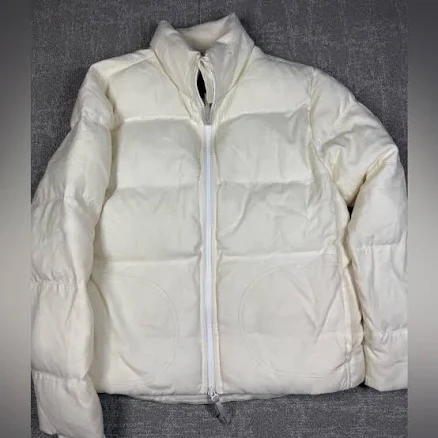
- Wool blend with synthetic fill (likely polyester)
- We found no PFAS statement from the brand
- water-repellent coating (water-repellent coating) coating composition
3 hazards checked on this product, all on its full breakdown.
Find an alternative on Amazon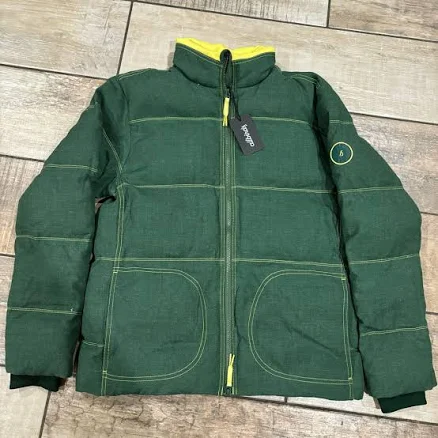
Allbirds
Jackets & Coats Allbirds Men's Trino Puffer Jacket Full Zip Wool Blend Forest Green Coat Size Sm
- wool blend (natural fiber dominant)
- We found no PFAS statement from the brand
- water-repellent coating (water-repellent coating) treatment - undisclosed chemistry
2 hazards checked on this product, all on its full breakdown.
Find an alternative on Amazon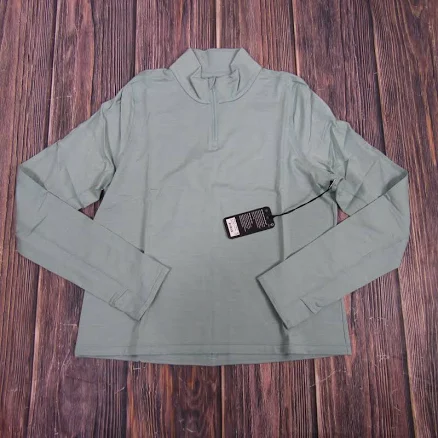
- Merino wool blend (natural fiber)
- We found no PFAS statement from the brand
- Azo dyes and synthetic dye residue
3 hazards checked on this product, all on its full breakdown.
Find an alternative on AmazonMore ski & snowboard jackets grades
How we score, every product runs through the same public 0-100 rubric based on materials, coatings, brand disclosure, lab findings, and recalls. See the full methodology → Spotted a mistake? Report an error.