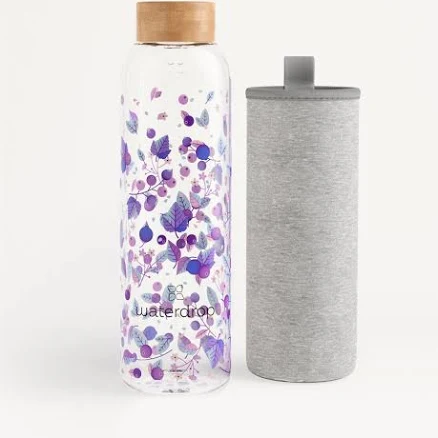
Waterdrop Glass Bottle
Lower concern. Glass bottle with no known PFAS sources.
Borosilicate glass and stainless steel are inherently unlikely to contain PFAS. Brand provides no PFAS disclosure; glass itself presents lower risk than coated alternatives.
We flunk more products than we pass. This one earned its grade. How we grade
Material
borosilicate glass, stainless steel cap
Lab data
No public lab test
You may also be interested in
Top-graded picks in the categories readers replace first, every one scored on the same rubric.

- polypropylene filter housing, carbon/sediment cartridge
- We found no PFAS statement from the brand
- Bacterial growth in spent cartridges
3 hazards checked on this product, all on its full breakdown.

Aquasure
Premier Series 75 GPD Under Sink Reverse Osmosis Water Filtration System
- RO membrane, carbon filters, stainless steel housing
- We found no PFAS statement from the brand
- Bacterial and microbial growth in housing and filters
4 hazards checked on this product, all on its full breakdown.

Avocado
Vegan Mattress
- organic cotton, natural latex, coconut coir, recycled steel coils
- The brand calls it PFAS-free, which we have not verified
- Heavy metals
2 hazards checked on this product, all on its full breakdown.
What Waterdrop Glass Bottle is made of, ingredients and materials
Waterdrop Glass Bottle is constructed from borosilicate glass, a chemically inert material with a high melting point (around 820°C) that resists leaching of heavy metals or organic compounds into liquids. The stainless steel cap typically contains chromium and nickel alloys; while these metals can leach under extreme acidic conditions, neutral water storage poses negligible risk. Borosilicate glass is more durable than standard soda-lime glass and far less prone to microcracking that could release glass particles. This material class has decades of established safety data in laboratory and food-storage contexts.
What’s concerning
No PFAS disclosure
No public statement from the brand about PFAS in this product.
Stainless steel cap corrosion and nickel leaching
Stainless steel caps contain nickel and chromium; under neutral pH (tap water), leaching is minimal, but individuals with nickel sensitivity should inspect caps for discoloration. Risk increases if bottle is used for acidic liquids (lemon water, vinegar) over extended periods.
Glass microparticles from thermal shock or impact
Rapid temperature changes (hot water into cold bottle) or drops may cause hairline fractures invisible to the eye. Microparticles are extremely small risk but real; inspect bottle regularly, particularly the base and seams where stress concentrates.
Bacterial growth in cap threads or seals
If the bottle is used repeatedly without thorough drying between fills, stainless steel threads can harbor biofilm. This is a hygiene concern rather than chemical hazard; regular cleaning and air-drying mitigate it.
What’s reassuring
Bare uncoated material
Recorded as a bare, uncoated material with no surface coating or treatment.
Cap seal gasket material composition
Waterdrop does not publicly disclose the material or composition of internal gaskets or seals in the cap. If silicone or rubber is used, degradation under repeated hot-water exposure is theoretically possible but not documented for this product line.
Heavy metals
Borosilicate glass is inherently free of lead and cadmium in food-grade formulations; no known contamination issues are on record for Waterdrop bottles. Standard borosilicate manufacturing does not introduce these hazards.
Source, FDA ↗How is this PFAS grade calculated?
The brand's record and disclosure
Waterdrop is a private-label brand (owned by Waterdrop Inc., China-based) with limited public third-party certification or independent testing disclosures on their website. The company does not prominently advertise toxicology testing, BPA-free claims, or heavy metal screening for this specific product, though borosilicate glass itself requires no such certification. No significant product recalls, contamination incidents, or regulatory actions against Waterdrop glass bottles have been established in public databases. Brand transparency on manufacturing standards and material sourcing remains minimal compared to larger household brands.
How it compares in its category
Water filters typically refer to the cartridge/filter media (activated carbon, ion exchange resin), not the bottle vessel itself. This glass bottle is a storage and carrying vessel, not a filter unit; it has lower concern for BPA or phthalate leaching compared to some plastic bottles but offers no filtration. Compared to stainless steel bottles, borosilicate glass avoids nickel-sensitive individuals' concerns and allows visual inspection of water quality. It is heavier and more fragile than plastic or metal alternatives, trading durability for chemical safety.
If you buy it
Borosilicate glass bottles can handle hot and cold liquids; avoid rapid temperature swings to prevent thermal shock risk. Inspect the stainless steel cap regularly for corrosion or discoloration, which is rare but indicates potential nickel leaching. Clean with mild soap and water; aggressive acidic cleaners are unnecessary and offer no safety benefit. Replace the bottle only if glass visibly cracks or chips; otherwise, borosilicate has an indefinite shelf life and no known degradation mechanism that triggers chemical hazards.
What is not known about PFAS in this product?
- Basis
- Model estimate, 78% confidence, not a lab result
- Lab test
- None on record for this exact product
- Brand statement
- Waterdrop has made a specific claim
Formulations change between production runs, so check the current label. How we grade.
More water filters grades
How we score, every product runs through the same public 0-100 rubric based on materials, coatings, brand disclosure, lab findings, and recalls. See the full methodology → Spotted a mistake? Report an error.