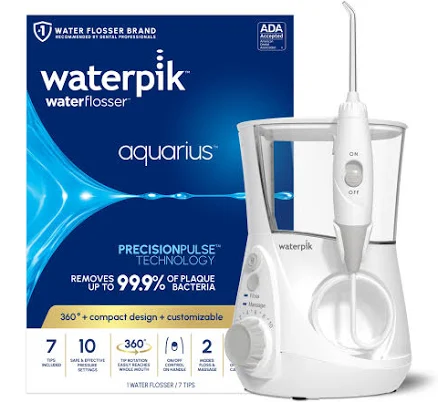
Waterpik Aquarius Water Flosser
Lower concern. Standard water flosser materials pose minimal PFAS risk.
Waterpik Aquarius uses common plastics and metals without known PFAS-prone coatings. No brand PFAS disclosure exists, but the product category and materials suggest lower risk profile.
We flunk more products than we pass. This one earned its grade. How we grade
Material
ABS plastic, stainless steel, rubber seals
Brand disclosure
Brand is silent on PFAS
Lab data
No public lab test
You may also be interested in
Top-graded picks in the categories readers replace first, every one scored on the same rubric.

- polypropylene filter housing, carbon/sediment cartridge
- We found no PFAS statement from the brand
- Bacterial growth in spent cartridges
3 hazards checked on this product, all on its full breakdown.

Aquasure
Premier Series 75 GPD Under Sink Reverse Osmosis Water Filtration System
- RO membrane, carbon filters, stainless steel housing
- We found no PFAS statement from the brand
- Bacterial and microbial growth in housing and filters
4 hazards checked on this product, all on its full breakdown.

Avocado
Vegan Mattress
- organic cotton, natural latex, coconut coir, recycled steel coils
- The brand calls it PFAS-free, which we have not verified
- Heavy metals
2 hazards checked on this product, all on its full breakdown.
What Waterpik Aquarius Water Flosser is made of, ingredients and materials
The Aquarius housing is ABS plastic, a thermoplastic polymer chosen for rigidity and impact resistance in cordless devices. Internal components use stainless steel (tip, tubing connectors) and silicone rubber seals, materials that do not typically leach harmful chemicals into water under normal use. ABS does not contain BPA or phthalates by formulation, though degradation under extreme heat or UV exposure could theoretically liberate trace monomers; this risk is negligible in a water reservoir that operates at room temperature.
What’s concerning
Category baseline
The starting point for this type of product, before anything specific to this product is counted.
No PFAS disclosure
No public statement from the brand about PFAS in this product.
Bacterial growth in water reservoir
Any standing water system risks biofilm and bacterial colonization if not emptied and dried regularly. Waterpik includes care instructions, but user neglect remains the primary risk rather than material failure.
Silicone rubber seal degradation
Rubber seals can harden, crack, or shed particles over 2-3 years of use. Replacement is inexpensive and routine maintenance; no specific toxicological hazard is documented, but mechanical failure could allow water leakage or debris shedding.
What’s reassuring
Base material not linked to PFAS
The main material recorded for this product is not one associated with PFAS.
ABS plastic leaching from heat or UV exposure
ABS is stable under normal room-temperature water storage and indoor light. No documented cases of monomer leaching from Aquarius devices have been reported; risk would only emerge under extreme conditions (e.g., repeated hot water fills or years of direct sunlight).
Stainless steel corrosion or leaching
Type 304 or higher stainless steel used in water contact components is highly resistant to corrosion in fresh water. No credible evidence of nickel or chromium leaching from dental water flossers has been published.
Formaldehyde / VOCs
No off-gassing complaints or test data are on record for the Aquarius. Assembly adhesives in plastic devices are typically minimized; any residual VOCs would dissipate during manufacturing.
Source, ATSDR ↗How is this PFAS grade calculated?
The brand's record and disclosure
Waterpik has not published detailed material safety data sheets or third-party certifications for the Aquarius line, nor has the brand made public PFAS commitments. No significant safety recalls or contamination incidents are on record for this model. The company is owned by Church & Dwight and maintains a neutral stance on PFAS disclosure, which is typical for the oral-care device sector but limits transparency.
How it compares in its category
Water flossers like the Aquarius are chemically simpler than most personal-care devices because they deliver only water and do not involve topical formulations. Compared to traditional floss (no hazard concern), irrigators avoid the minimal risk of ingested dental tape fragments. Compared to other electric oral devices, the Aquarius avoids issues like rubber compound off-gassing found in some toothbrush grips.
If you buy it
Empty the reservoir daily to prevent bacterial biofilm buildup, especially if tap water sits longer than 24 hours. Replace rubber seals annually if they show cracks or discoloration, as degraded rubber can shed particles. Do not expose the device to sustained temperatures above 50C (122F) or direct sunlight for prolonged periods, to preserve ABS integrity. Use filtered or distilled water in hard-water areas to reduce mineral deposits on stainless steel components.
What is not known about PFAS in this product?
- Basis
- Model estimate, 72% confidence, not a lab result
- Lab test
- None on record for this exact product
- Brand statement
- Waterpik has made none
Formulations change between production runs, so check the current label. How we grade.
What are the PFAS-free alternatives to Waterpik Aquarius Water Flosser?
- Plant-based waxed fiber floss
- A third party reports verifying it as PFAS-free
- Fragrance allergens and sensitizers
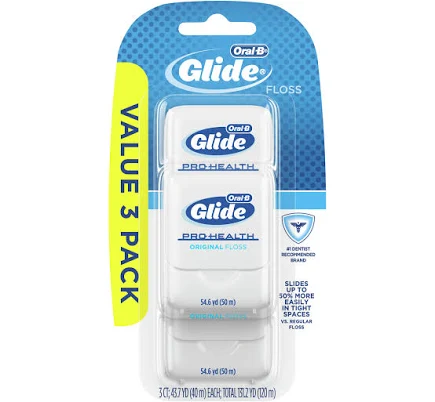
- nylon monofilament
- The brand calls it PFAS-free, which we have not verified
- Microplastics
2 hazards checked on this product, all on its full breakdown.

- Coconut fiber-based floss
- The brand calls it PFAS-free, which we have not verified
- Microbial growth in natural fiber storage
More dental floss grades
How we score, every product runs through the same public 0-100 rubric based on materials, coatings, brand disclosure, lab findings, and recalls. See the full methodology → Spotted a mistake? Report an error.