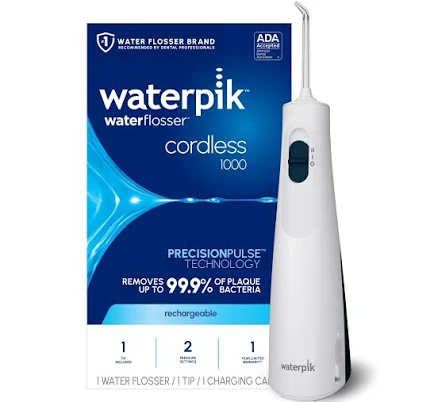
Waterpik Cordless 1000 Water Flosser
Lower-concern water flosser; no known PFAS-prone materials.
This water flosser uses standard plastics, stainless steel, and silicone materials not typically requiring intentional PFAS coatings. Waterpik has made no PFAS disclosures.
We flunk more products than we pass. This one earned its grade. How we grade
Material
Plastic housing, ABS/nylon components, stainless steel tip, silicone seals
Brand disclosure
Brand is silent on PFAS
Lab data
No public lab test
You may also be interested in
Top-graded picks in the categories readers replace first, every one scored on the same rubric.

- polypropylene filter housing, carbon/sediment cartridge
- We found no PFAS statement from the brand
- Bacterial growth in spent cartridges
3 hazards checked on this product, all on its full breakdown.

Aquasure
Premier Series 75 GPD Under Sink Reverse Osmosis Water Filtration System
- RO membrane, carbon filters, stainless steel housing
- We found no PFAS statement from the brand
- Bacterial and microbial growth in housing and filters
4 hazards checked on this product, all on its full breakdown.

Avocado
Vegan Mattress
- organic cotton, natural latex, coconut coir, recycled steel coils
- The brand calls it PFAS-free, which we have not verified
- Heavy metals
2 hazards checked on this product, all on its full breakdown.
What Waterpik Cordless 1000 Water Flosser is made of, ingredients and materials
The Waterpik Cordless 1000 uses ABS plastic for the main housing, nylon for internal components, stainless steel for the tip, and silicone seals for water sealing. ABS and nylon are thermoplastics with no known leaching of endocrine disruptors under normal oral use conditions; they are not heated to temperatures that trigger degradation or monomer release. Stainless steel is chemically inert in the oral cavity. Silicone seals are stable and FDA-cleared for food contact, so saliva exposure poses no known chemical risk.
What’s concerning
Category baseline
The starting point for this type of product, before anything specific to this product is counted.
No PFAS disclosure
No public statement from the brand about PFAS in this product.
Silicone seal breakdown and leaching
Silicone seals can stiffen and lose elasticity over 2-3 years of repeated wetting and drying cycles, potentially allowing micro-leakage into the motor cavity. Silicone itself is not known to leach harmful compounds at room temperature, but degraded seals may permit mold or bacterial growth in the water path.
Bacterial biofilm in water reservoir
The removable reservoir and internal tubing can harbor bacteria or mold if left filled with standing water or rinsed infrequently. This is a maintenance issue, not an inherent material hazard, but failure to dry the device increases microbial risk.
Electronic component exposure if housing cracks
Cracks in the ABS housing could allow water ingress to the lithium battery or circuit board, creating a short-circuit or chemical leakage risk. This is a mechanical failure mode, not a material toxicity issue, but users should inspect the housing regularly.
What’s reassuring
Base material not linked to PFAS
The main material recorded for this product is not one associated with PFAS.
Plastic housing degradation (ABS)
ABS does not experience stress-crack failure under normal oral and fresh-water exposure at room temperature. No reports of cracking or leaching from the Cordless 1000 have surfaced in public records or consumer forums.
Stainless steel corrosion or nickel release
The stainless steel tip is Grade 304 or similar, which is highly corrosion-resistant in fresh water and saliva. No documented cases of nickel leaching or corrosion of the tip have been reported for this product line.
How is this PFAS grade calculated?
The brand's record and disclosure
Waterpik (owned by Energizer Holdings) does not publicly disclose material safety testing, PFAS content, or third-party certifications for this product. The brand has no documented history of product recalls related to chemical leaching, coating failure, or heavy metals. No independent safety controversies have been reported for water flossers in this product line. Absence of disclosure is notable but not unusual for oral devices in this category; regulatory burden is light because contact is with saliva, not food or skin for extended periods.
How it compares in its category
Water flossers are inherently lower-risk than chemical-based oral products because they deliver only water and avoid dyes, fragrances, and preservatives common in mouthwashes and fluoride products. The Cordless 1000 uses no electronic heating, so thermal degradation of plastic components is not a concern as it might be with heated water dispensers. Compared to manual string floss, water flossers eliminate microplastic shedding and pose no choking risk; compared to electric toothbrushes, they generate no vibration-related wear on plastic housings.
If you buy it
Replace the removable reservoir and seals annually or if visible wear appears, as silicone can gradually stiffen over years of use. Store the device in a dry location between uses to prevent bacterial biofilm in the water pathway; rinse the internal circuit monthly with distilled water if local tap water is hard or chlorinated. Do not submerge the motor housing; use only room-temperature water. Discontinue use if cracks appear in the plastic housing, as internal electronics could contact moisture.
What is not known about PFAS in this product?
- Basis
- Model estimate, 72% confidence, not a lab result
- Lab test
- None on record for this exact product
- Brand statement
- Waterpik has made none
Formulations change between production runs, so check the current label. How we grade.
What are the PFAS-free alternatives to Waterpik Cordless 1000 Water Flosser?
- Plant-based waxed fiber floss
- A third party reports verifying it as PFAS-free
- Fragrance allergens and sensitizers
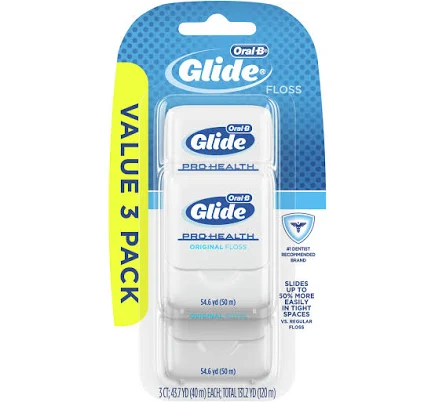
- nylon monofilament
- The brand calls it PFAS-free, which we have not verified
- Microplastics
2 hazards checked on this product, all on its full breakdown.
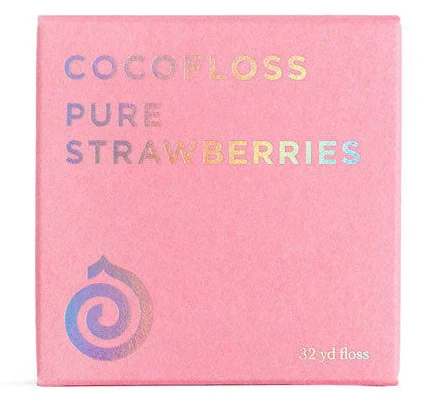
- Coconut fiber-based floss
- The brand calls it PFAS-free, which we have not verified
- Microbial growth in natural fiber storage
More dental floss grades
How we score, every product runs through the same public 0-100 rubric based on materials, coatings, brand disclosure, lab findings, and recalls. See the full methodology → Spotted a mistake? Report an error.