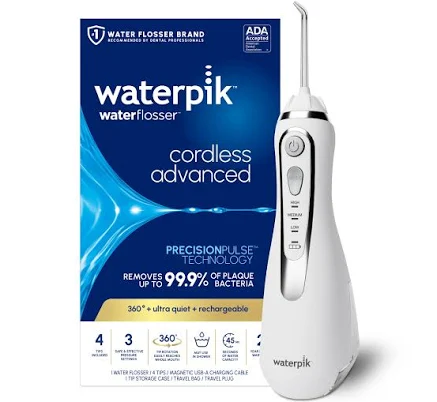
Waterpik Cordless Advanced 2.0 Water Flosser
Lower concern. No PFAS-prone materials identified in standard construction.
Waterpik cordless flossers use standard plastics and metals without known PFAS coatings. Brand discloses no PFAS information, but primary materials pose minimal PFAS risk.
We flunk more products than we pass. This one earned its grade. How we grade
Material
Plastic (ABS/acrylic), stainless steel, rubber seals
Brand disclosure
Brand is silent on PFAS
Lab data
No public lab test
You may also be interested in
Top-graded picks in the categories readers replace first, every one scored on the same rubric.

- polypropylene filter housing, carbon/sediment cartridge
- We found no PFAS statement from the brand
- Bacterial growth in spent cartridges
3 hazards checked on this product, all on its full breakdown.

Aquasure
Premier Series 75 GPD Under Sink Reverse Osmosis Water Filtration System
- RO membrane, carbon filters, stainless steel housing
- We found no PFAS statement from the brand
- Bacterial and microbial growth in housing and filters
4 hazards checked on this product, all on its full breakdown.

Avocado
Vegan Mattress
- organic cotton, natural latex, coconut coir, recycled steel coils
- The brand calls it PFAS-free, which we have not verified
- Heavy metals
2 hazards checked on this product, all on its full breakdown.
What Waterpik Cordless Advanced Water Flosser is made of, ingredients and materials
The Waterpik Cordless Advanced 2.0 uses ABS (acrylonitrile butadiene styrene) plastic for the main housing and acrylic for the transparent reservoir, combined with stainless steel internal components and rubber seals. ABS is a rigid, low-leach thermoplastic commonly used in medical and personal care devices; acrylic does not release BPA or phthalates under normal use. Stainless steel is inert in oral care applications. The rubber seals are the only potential concern point, but no documented off-gassing or degradation issues have been reported for this product line.
What’s concerning
Category baseline
The starting point for this type of product, before anything specific to this product is counted.
No PFAS disclosure
No public statement from the brand about PFAS in this product.
Bacterial growth in water reservoir and seals
Rubber seals and the sealed water chamber can support microbial biofilm if the device is not emptied promptly after use or if stagnant water sits for more than 24 hours. This is not a manufacturing defect but a usage and maintenance issue inherent to all oral irrigation devices.
Acrylic reservoir clarity degradation
Acrylic can become cloudy or brittle over years of exposure to tap water minerals and thermal cycling. This is cosmetic and does not affect safety, but may indicate seal wear; inspect for visible cracks or milky discoloration as a replacement trigger.
What’s reassuring
Base material not linked to PFAS
The main material recorded for this product is not one associated with PFAS.
Rubber seal degradation and leachates
No documented cases of phthalates or toxic degradation products from the rubber seals have been reported for this model. Standard NBR (nitrile) or EPDM rubber seals used in oral care are considered low-leach, but replacement every 2-3 years is prudent.
ABS plastic off-gassing or leaching
ABS does not release BPA, phthalates, or volatile organic compounds at room temperature or in contact with water. No off-gassing complaints or testing alerts exist for the Cordless Advanced 2.0 product line.
Stainless steel corrosion in internal pump
Medical-grade stainless steel (typically 304 or 316) resists corrosion in freshwater and oral irrigation conditions. No rust or leaching complaints are documented for this model; however, using only distilled or filtered water minimizes any microscopic corrosion risk.
How is this PFAS grade calculated?
The brand's record and disclosure
Waterpik is owned by Church & Dwight and markets the Cordless Advanced 2.0 as a clinically tested oral irrigation device. The brand does not publish detailed material safety datasheets or PFAS stance publicly, though the product carries FDA 510(k) clearance as a Class II medical device, requiring manufacturing safety standards. No product recalls or substantiated safety complaints specific to this model are on public record. The brand's silence on chemical composition is typical for consumer oral care but limits transparency.
How it compares in its category
Water flossers as a category avoid many hazards inherent to chemical-based oral care products (no surfactants, dyes, or preservatives in the device itself). The Cordless Advanced 2.0 uses a sealed, battery-powered motor design that does not require disposable filters or frequent cartridge replacement, reducing plastic waste and leachate risks common in pitcher-style water filters. Compared to traditional string floss or air flossers, this product has minimal material-contact risk and no inhalation exposure.
If you buy it
Replace the rubber seals and battery every 2-3 years to prevent microbial growth and seal degradation. Use distilled or filtered water to reduce mineral buildup in internal channels, which can harbor bacteria if left standing. Do not expose the motor unit to temperatures above 140F (60C) or freeze; store in a dry location. Empty the reservoir immediately after use and dry visible components; allow the motor base to air-dry before recharging to prevent seal softening.
What is not known about PFAS in this product?
- Basis
- Model estimate, 72% confidence, not a lab result
- Lab test
- None on record for this exact product
- Brand statement
- Waterpik has made none
Formulations change between production runs, so check the current label. How we grade.
What are the PFAS-free alternatives to Waterpik Cordless Advanced 2.0 Water Flosser?
- Plant-based waxed fiber floss
- A third party reports verifying it as PFAS-free
- Fragrance allergens and sensitizers
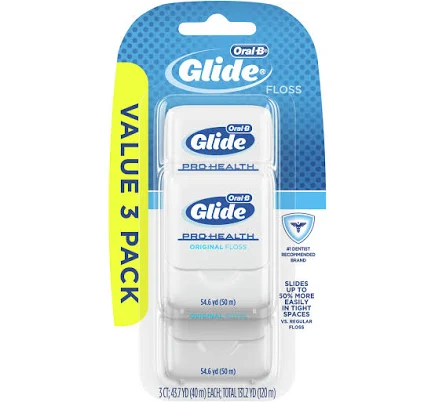
- nylon monofilament
- The brand calls it PFAS-free, which we have not verified
- Microplastics
2 hazards checked on this product, all on its full breakdown.
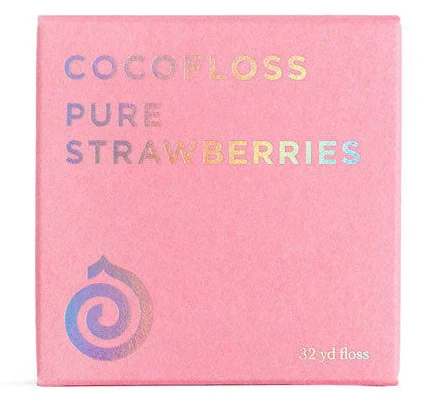
- Coconut fiber-based floss
- The brand calls it PFAS-free, which we have not verified
- Microbial growth in natural fiber storage
More dental floss grades
How we score, every product runs through the same public 0-100 rubric based on materials, coatings, brand disclosure, lab findings, and recalls. See the full methodology → Spotted a mistake? Report an error.