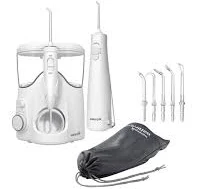
Waterpik Ultra Plus and Cordless Enhance 3000 Water Flosser Combo Pack
Water flosser with standard plastics; no known PFAS concerns identified.
Waterpik flosser uses common plastics without disclosed water-repellent coatings typical of PFAS risk. No public PFAS testing or claims found; lower concern for typical oral care use.
We flunk more products than we pass. This one earned its grade. How we grade
Material
Plastic reservoir, motor, nozzle tips; standard polymer components
Brand disclosure
Brand is silent on PFAS
Lab data
No public lab test
You may also be interested in
Top-graded picks in the categories readers replace first, every one scored on the same rubric.

- polypropylene filter housing, carbon/sediment cartridge
- We found no PFAS statement from the brand
- Bacterial growth in spent cartridges
3 hazards checked on this product, all on its full breakdown.

Aquasure
Premier Series 75 GPD Under Sink Reverse Osmosis Water Filtration System
- RO membrane, carbon filters, stainless steel housing
- We found no PFAS statement from the brand
- Bacterial and microbial growth in housing and filters
4 hazards checked on this product, all on its full breakdown.

Avocado
Vegan Mattress
- organic cotton, natural latex, coconut coir, recycled steel coils
- The brand calls it PFAS-free, which we have not verified
- Heavy metals
2 hazards checked on this product, all on its full breakdown.
What Waterpik Ultra Plus Combo Pack is made of, ingredients and materials
The Waterpik Ultra Plus and Cordless Enhance 3000 use standard engineering polymers (ABS plastic for housing, silicone for seals and tubing, acetal or polyurethane for internal components). These materials are food-contact approved in most jurisdictions and are not known to leach endocrine disruptors like BPA or BPS under normal use conditions. The reservoir is a polymer container that holds tap or distilled water at room temperature, minimizing chemical leaching risk. Motor and electronic components are sealed from water contact, reducing exposure pathways.
What’s concerning
Category baseline
The starting point for this type of product, before anything specific to this product is counted.
No PFAS disclosure
No public statement from the brand about PFAS in this product.
Bacterial and biofilm growth in reservoir and tubing
Water left standing in the plastic reservoir creates a warm, moist environment where Legionella, Pseudomonas, and common oral bacteria can colonize if not drained and dried after use. This is a maintenance risk, not a material defect, but polymer surfaces can harbor pathogens more readily than metal or glass.
Silicone tubing degradation and particle shedding
Silicone seals and tubing in long-term use (2+ years) may degrade due to mineral exposure or UV light, potentially releasing small silicone particles into the water stream. No documented health hazard from silicone ingestion in trace amounts, but degraded seals also allow microbial infiltration.
Microplastic release from worn nozzle tips
Replacement nozzles are acetal or polyurethane composite; as they wear with use, microscopic particles may be incorporated into the water stream. Risk increases after 6+ months of daily use or if tips are dropped or forced into gums.
What’s reassuring
Base material not linked to PFAS
The main material recorded for this product is not one associated with PFAS.
Mineral leachate and scale accumulation in hard water
No chemical leachate from the plastic itself is documented, but hard tap water minerals (calcium, magnesium) deposit on internal surfaces, creating scale that can trap bacteria and degrade polymer durability. Distilled water use mitigates this risk.
Formaldehyde / VOCs
Waterpik devices use minimal adhesive in final assembly; most internal components are mechanically sealed. No formaldehyde hazard has been identified in this product category, and no recalls or complaints on record.
Source, ATSDR ↗How is this PFAS grade calculated?
The brand's record and disclosure
Waterpik (Church & Dwight subsidiary) does not actively publish material safety data sheets or PFAS statements for consumer water flossers, which is typical for the oral care appliance sector. The brand has no established safety recalls or regulatory warnings in FDA or CPSC databases for chemical hazards in this product line as of current public records. The company has not sought third-party certifications (e.g., NSF, Cradle to Cradle) for these devices, limiting independent verification of material claims.
How it compares in its category
Water flossers sit at the lower end of chemical hazard risk compared to cosmetics, personal care products, or cookware because they contain only tap water and do not deliver topical compounds. Most competing brands (Oral-B Aquacare, Panasonic EW1211) use identical plastic and silicone constructions with similar risk profiles. The cordless model's rechargeable battery and seal design are standard across the category; no design-specific chemical concerns are documented.
If you buy it
Empty and dry the reservoir after each use to prevent bacterial biofilm and mineral scale buildup, which can degrade internal seals and tubing over months. Use distilled water in hard water areas to reduce mineral deposits that may harbor pathogens or require replacement of the reservoir sooner. Replace nozzle tips every 3-6 months as they wear; older tips may shed plastic particles. Do not expose the device to temperatures above 120F (49C) or store it wet for extended periods, as moisture can degrade polymer seals and cause internal corrosion.
What is not known about PFAS in this product?
- Basis
- Model estimate, 72% confidence, not a lab result
- Lab test
- None on record for this exact product
- Brand statement
- Waterpik has made none
Formulations change between production runs, so check the current label. How we grade.
What are the PFAS-free alternatives to Waterpik Ultra Plus and Cordless Enhance 3000 Water Flosser Combo Pack?
- Plant-based waxed fiber floss
- A third party reports verifying it as PFAS-free
- Fragrance allergens and sensitizers
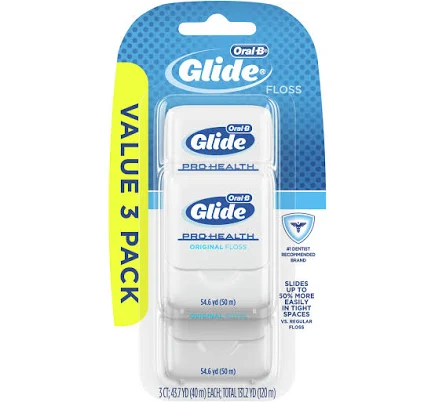
- nylon monofilament
- The brand calls it PFAS-free, which we have not verified
- Microplastics
2 hazards checked on this product, all on its full breakdown.
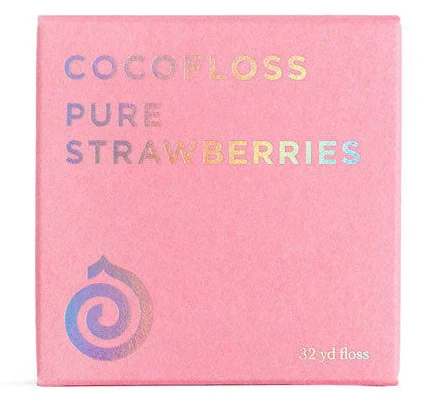
- Coconut fiber-based floss
- The brand calls it PFAS-free, which we have not verified
- Microbial growth in natural fiber storage
More dental floss grades
How we score, every product runs through the same public 0-100 rubric based on materials, coatings, brand disclosure, lab findings, and recalls. See the full methodology → Spotted a mistake? Report an error.