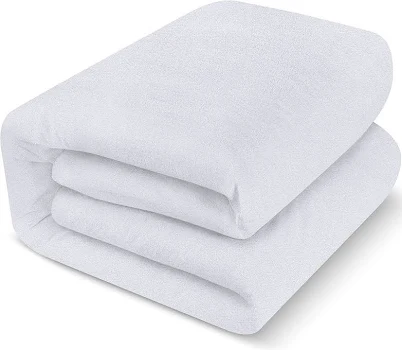
Waterproof Mattress Protector for spills and incontinence Queen, Is It Non-Toxic?
Avoid unless the brand discloses its waterproofing chemistry.
The brand makes no public statement about PFAS or coating materials. Waterproof mattress protectors typically rely on water-repellent coating finishes, many historically containing PFOA or Teflon-type coating.
The better-graded swap
Avocado Green Mattress
Organic Cotton Mattress Pad Protector
85/100 safety
Same rubric that flunked this product. The swap earned Excellent.
Still want this one anyway? Check the price on Amazon. We’d swap it.
Material
Polyurethane or polyester fabric with unknown waterproof/stain-resistant coating
Brand disclosure
Brand is silent on PFAS
Lab data
No public lab test
You may also be interested in
Top-graded picks in the categories readers replace first, every one scored on the same rubric.

- polypropylene filter housing, carbon/sediment cartridge
- We found no PFAS statement from the brand
- Bacterial growth in spent cartridges
3 hazards checked on this product, all on its full breakdown.

Aquasure
Premier Series 75 GPD Under Sink Reverse Osmosis Water Filtration System
- RO membrane, carbon filters, stainless steel housing
- We found no PFAS statement from the brand
- Bacterial and microbial growth in housing and filters
4 hazards checked on this product, all on its full breakdown.

Avocado
Vegan Mattress
- organic cotton, natural latex, coconut coir, recycled steel coils
- The brand calls it PFAS-free, which we have not verified
- Heavy metals
2 hazards checked on this product, all on its full breakdown.
Is Waterproof Mattress Protector Queen non-toxic? What it is made of
This protector combines a polyurethane or polyester fabric base with an undisclosed waterproof or stain-resistant topcoat. The coating is the critical unknown, waterproofing in mattress protectors is typically achieved with either PFAS-based chemicals (which are persistent environmental contaminants and bioaccumulative) or older polyurethane film layers. Without brand transparency, you cannot determine whether the coating will shed microparticles into your sleeping environment or leach into skin contact zones over time. Polyester itself is inert, but any resin finishes used in manufacturing may contain formaldehyde releasers, which off-gas more aggressively in humid, warm sleeping conditions.
What’s concerning
Category baseline
The starting point for this type of product, before anything specific to this product is counted.
No PFAS disclosure
No public statement from the brand about PFAS in this product.
Waterproof / stain-resistant treatment
Water-repellent coating treatments have historically used PFAS.
Waterproof coating leaching and microparticle shedding
Unknown waterproof chemistry means the coating's stability under skin contact and warmth is unverified. Polyurethane or Teflon-family coating films can degrade over years of use, shedding particles into sweat and skin microbiome; risk is higher if the coating is thin or not cross-linked robustly.
Formaldehyde / VOCs
Polyester fabrics and polyurethane coatings often involve formaldehyde-releasing resins in finishing steps. Mattress protectors create a warm, humid microenvironment that accelerates off-gassing; long-term sleep exposure to low-level formaldehyde can irritate eyes, nose, and airways, especially in sensitive individuals.
Source, ATSDR ↗Coating durability and long-term integrity failure
Without disclosed ingredient information or accelerated aging data, the durability of the brand's coating over 5-10 years is unknown. Cheaper waterproof finishes are prone to cracking and peeling within 2-3 years, at which point the protector becomes non-functional and may shed coating debris.
Moisture retention and mold/bacterial growth in the mattress
If the waterproof layer is too impermeable or if moisture seals in liquid trapped against the mattress, prolonged dampness can promote mold and dust mite proliferation in the underlying mattress structure, creating allergen and respiratory risks over time.
Thermal entrapment and heat-related discomfort
Dense polyurethane or polyester coatings can reduce mattress breathability, trapping body heat and potentially causing sleep disruption or sweat accumulation that accelerates coating degradation and skin contact with coating compounds.
How is this PFAS grade calculated?
The brand's record and disclosure
Waterproof Inc. does not publicly disclose its waterproofing chemistry, fluorochemical content, or third-party testing results. No certifications (such as OEKO-TEX, GREENGUARD, or Cradle to Cradle) are evident in standard product listings, suggesting the brand has not pursued independent verification of safety claims. The silence on PFAS and coating composition is a red flag in a product category where waterproofing chemistry is the dominant safety driver. Without proactive disclosure, you cannot verify whether the brand uses short-chain PFAS, long-chain PFAS, or alternative chemistries.
How it compares in its category
Mattress protectors span a wide safety range. Premium brands (e.g., Organic brands with Oeko-Tex certification or those explicitly labeling PFAS-free polyurethane films) disclose their chemistry and test for chemical off-gassing. Mid-tier unbranded or less transparent products like this one carry higher uncertainty. Budget protectors often use thinner PFAS-laden coatings. The brand's lack of disclosure places it in the middle-to-lower transparency tier; it is not a worst-case product but offers fewer safety guarantees than certified alternatives at similar price points.
If you buy it
Air out the protector for 24-48 hours in a well-ventilated space before use to allow any residual manufacturing volatile organic compounds to disperse. Do not expose it to high heat (avoid hot-water washing; use cool water and mild detergent only) to minimize coating degradation and microparticle release. Inspect the protector every 12 months for cracks, peeling, or breakdown of the waterproof layer; once compromised, its protective function declines and leaching risk increases. Store in a cool, dry location away from direct sunlight, which can degrade synthetic coatings over time.
What is not known about PFAS in this product?
- Basis
- Model estimate, 35% confidence, not a lab result
- Lab test
- None on record for this exact product
- Brand statement
- has made none
Formulations change between production runs, so check the current label. How we grade.
What are the PFAS-free alternatives to Waterproof Mattress Protector for spills and incontinence Queen?
- organic cotton
- We found no PFAS statement from the brand
- No PFAS statement found from the brand
- Organic cotton
- We found no PFAS statement from the brand
- Waterproofing chemical exposure
2 hazards checked on this product, all on its full breakdown.
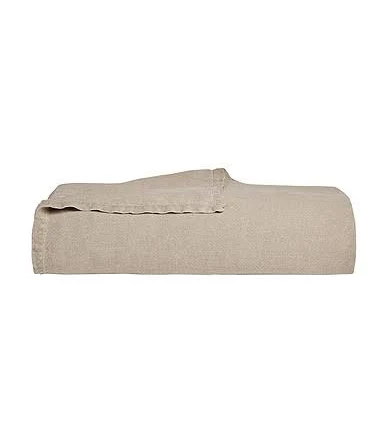
- 100% linen, no reported coating
- We found no PFAS statement from the brand
- Heavy metals
3 hazards checked on this product, all on its full breakdown.
More mattress protectors grades
How we score, every product runs through the same public 0-100 rubric based on materials, coatings, brand disclosure, lab findings, and recalls. See the full methodology → Spotted a mistake? Report an error.