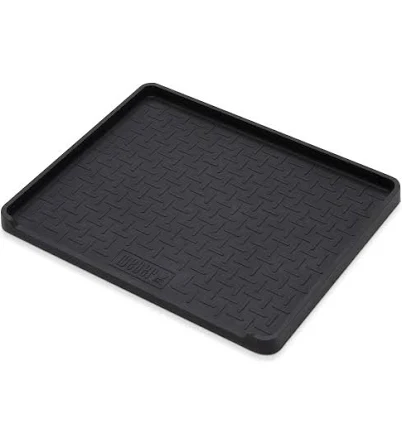
Weber Tool Mat
Lower concern, utility mat has no known PFAS-prone coatings, but verify silicone composition if concerned.
This silicone or rubber mat lacks the water-resistant coatings that typically carry PFAS. No public PFAS statements or recalls exist for this product.
Still want this one anyway? Check the price on Amazon. We’d swap it.
Material
Silicone mat or rubber composite
Brand disclosure
Brand is silent on PFAS
Lab data
No public lab test
You may also be interested in
Top-graded picks in the categories readers replace first, every one scored on the same rubric.

- polypropylene filter housing, carbon/sediment cartridge
- We found no PFAS statement from the brand
- Bacterial growth in spent cartridges
3 hazards checked on this product, all on its full breakdown.

Aquasure
Premier Series 75 GPD Under Sink Reverse Osmosis Water Filtration System
- RO membrane, carbon filters, stainless steel housing
- We found no PFAS statement from the brand
- Bacterial and microbial growth in housing and filters
4 hazards checked on this product, all on its full breakdown.

Avocado
Vegan Mattress
- organic cotton, natural latex, coconut coir, recycled steel coils
- The brand calls it PFAS-free, which we have not verified
- Heavy metals
2 hazards checked on this product, all on its full breakdown.
What Weber Tool Mat is made of, ingredients and materials
The Weber Tool Mat is a silicone-based or silicone-rubber composite mat designed for grill and oven surfaces. Silicone is a synthetic polymer with strong silicon-oxygen bonds that are generally stable at high heat and resist degradation. Unlike non-stick coatings (Teflon-type coating) or ceramic glazes, silicone does not typically release volatile fumes or leach heavy metals when heated to normal grilling temperatures (below 500°F). The closed-cell or reinforced rubber structure minimizes fiber shedding or microplastic generation during typical use.
What’s concerning
No PFAS disclosure
No public statement from the brand about PFAS in this product.
Category baseline
The starting point for this type of product, before anything specific to this product is counted.
Silicone degradation at extreme heat
While silicone is stable at typical grill temps, sustained exposure above 500°F or thermal cycling can cause gradual weakening or cracking of the mat structure. No reports of acute hazard, but inspect regularly for physical breakdown.
Off-gassing of volatile organic compounds (VOCs)
New silicone products may emit trace amounts of residual processing chemicals (oligomers) when first heated, though this is typically mild and brief. Airing out the mat before first use or at low heat can reduce any odor; no toxicity has been reported at domestic grill temperatures.
What’s reassuring
Base material not linked to PFAS
The main material recorded for this product is not one associated with PFAS.
Filler or additive leaching from rubber compounds
Silicone mats may contain mineral fillers or processing aids, but no established hazard or leaching reports exist for Weber's utility mats at normal grill temperatures. The non-food-contact design further reduces any theoretical risk.
Heavy metals
Silicone utility mats typically use food-grade or non-toxic pigments, and Weber does not have a documented history of heavy metal contamination in kitchen accessories. No specific testing of this product is on record.
Source, FDA ↗Microplastics
Solid silicone or reinforced silicone-rubber composites do not shed fibers or microplastics under normal abrasion during grill use. The mat is not heated to the point where polymer fragmentation occurs.
Source, EPA ↗How is this PFAS grade calculated?
The brand's record and disclosure
Weber is a well-established grill manufacturer with a reputation for durable accessories, but the company has not published specific material certifications or public statements on PFAS or other chemical safety for this product line. No recalls or safety complaints specific to the Tool Mat have been documented in public records. Weber does not routinely disclose third-party testing data on their utility mats, so independent verification of exact composition is limited. The brand's silence on chemical content is typical for utility mat manufacturers in this category.
How it compares in its category
Grill and oven mats vary widely, some use Teflon-type coating-coated fiberglass (higher fume risk at high heat), others use ceramic-coated materials (lead/cadmium risk if poorly made), and silicone-based options like Weber's have lower concern for these particular chemical hazards. Silicone mats do not require the same scrutiny for coating degradation as nonstick cookware because they are not designed to contact food directly and are removed before serving. Compared to budget alternatives with undefined rubber compounds, Weber's silicone composition is more transparent and widely accepted as lower concern for this application.
If you buy it
Use the mat below the recommended maximum temperature for your specific grill or oven (typically 400-500°F for silicone; verify the product label). Clean with mild soap and water after cooling; do not use harsh abrasives or high-temperature commercial oven cleaners, which can degrade the silicone over time. Replace the mat if you notice visible wear, cracking, or discoloration that suggests the silicone is breaking down. Store in a cool, dry place away from direct sunlight to extend lifespan, as UV exposure can embrittle silicone over years.
What is not known about PFAS in this product?
- Basis
- Model estimate, 72% confidence, not a lab result
- Lab test
- None on record for this exact product
- Brand statement
- Weber has made none
Formulations change between production runs, so check the current label. How we grade.
More grill & oven mats grades
How we score, every product runs through the same public 0-100 rubric based on materials, coatings, brand disclosure, lab findings, and recalls. See the full methodology → Spotted a mistake? Report an error.