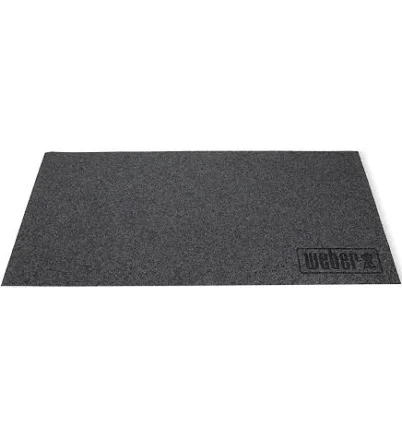
Weber XL Floor Protection Mat
Lower PFAS concern, standard mat material unlikely to have PFAS, but Weber discloses nothing.
Grill floor mats made of polyethylene or similar polymer typically don't contain PFAS-prone treatments. Weber says nothing about PFAS in their product materials.
Still want this one anyway? Check the price on Amazon. We’d swap it.
Material
Polyethylene (PE) or similar polymer protective mat
Brand disclosure
Brand is silent on PFAS
Lab data
No public lab test
You may also be interested in
Top-graded picks in the categories readers replace first, every one scored on the same rubric.

- polypropylene filter housing, carbon/sediment cartridge
- We found no PFAS statement from the brand
- Bacterial growth in spent cartridges
3 hazards checked on this product, all on its full breakdown.

Aquasure
Premier Series 75 GPD Under Sink Reverse Osmosis Water Filtration System
- RO membrane, carbon filters, stainless steel housing
- We found no PFAS statement from the brand
- Bacterial and microbial growth in housing and filters
4 hazards checked on this product, all on its full breakdown.

Avocado
Vegan Mattress
- organic cotton, natural latex, coconut coir, recycled steel coils
- The brand calls it PFAS-free, which we have not verified
- Heavy metals
2 hazards checked on this product, all on its full breakdown.
What Weber XL Floor Protection Mat is made of, ingredients and materials
The Weber XL Floor Protection Mat is composed of polyethylene (PE), a thermoplastic polymer commonly used in protective mats and food-contact films. PE is chemically inert at room temperature and does not readily leach under normal conditions. It is not designed for direct contact with food and sits between hot grills and flooring, limiting any potential migration pathways. The material's stability improves its safety profile compared to softer plastics like PVC or vinyl.
What’s concerning
Category baseline
The starting point for this type of product, before anything specific to this product is counted.
No PFAS disclosure
No public statement from the brand about PFAS in this product.
Waterproof / stain-resistant treatment
Water-repellent coating treatments have historically used PFAS.
Polyethylene thermal degradation and VOC release
PE can emit low levels of volatile organic compounds (VOCs) if heated above 120, 140°C, though this product is not designed for direct heat contact. Under typical floor-mat use, temperature exposure remains well below this threshold, making this a low practical risk.
Microplastic shedding from mat degradation
Prolonged UV exposure, foot traffic, or thermal cycling can cause surface fragmentation and microplastic release. Risk is minimal indoors and when mat remains intact; regular inspection and timely replacement prevent accumulation.
What’s reassuring
Additives in PE formulation (colorants, stabilizers)
PE typically contains UV stabilizers and pigments; Weber discloses no formula details. Standard PE additives are not classified as hazardous at typical exposure levels for a floor mat used outdoors or in garages, but full ingredient transparency is unavailable.
Flame retardants
No evidence suggests Weber treats this mat with halogenated or organophosphate flame retardants. The product is marketed as a protective floor mat, not a fire-barrier product, making added flame treatments unlikely.
Source, EPA ↗Heavy metals
PE mats typically use FDA-compliant colorants for non-food applications. No recalls or testing reports document lead, cadmium, or chromium in this product. Risk is not established but complete ingredient certification is not public.
Source, FDA ↗How is this PFAS grade calculated?
The brand's record and disclosure
Weber, a subsidiary of Weber-Stephen Products (Berkshire Hathaway), has no public disclosure policy specific to mat composition or safety testing. The company does not publish material safety data sheets (MSDS) or third-party certifications for this accessory product. No recalls or safety complaints specific to the XL Floor Protection Mat are on record. Weber's main cookware line has faced no documented heavy-metal or polymer-hazard lawsuits in recent years.
How it compares in its category
Floor protection mats for grills typically use PE, rubber, or fiberglass-reinforced composites. PE mats are among the lowest-risk options because they avoid reinforcing fibers (fiberglass dust) and flame retardant coatings common in synthetic rubber alternatives. Competitor mats (Solo Stove, Traeger) use similar PE or natural rubber but also lack public hazard disclosures. This product is standard-tier for material safety in the category.
If you buy it
Place the mat on a dry, clean surface away from direct flame or radiant heat above 140°C (285°F) to prevent warping or off-gassing. Do not allow it to contact cooking surfaces or hot drippings. Clean with mild soap and water; do not use solvents. Replace if visible cracking, discoloration, or lifting occurs. Store indoors during winter to extend lifespan and prevent UV degradation.
What is not known about PFAS in this product?
- Basis
- Model estimate, 72% confidence, not a lab result
- Lab test
- None on record for this exact product
- Brand statement
- Weber has made none
Formulations change between production runs, so check the current label. How we grade.
What are the PFAS-free alternatives to Weber XL Floor Protection Mat?
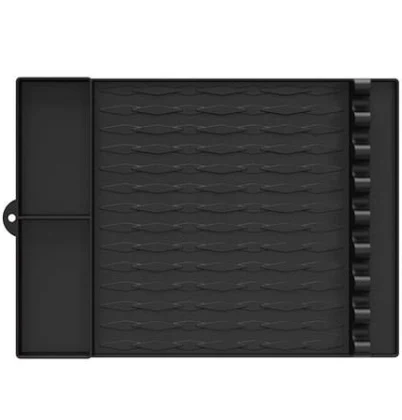
- silicone (no nonstick Teflon-family coating disclosed)
- We found no PFAS statement from the brand
- Silicone additive/filler contamination (unspecified)
4 hazards checked on this product, all on its full breakdown.
Find an alternative on Amazon
- Silicone or rubber floor mat
- We found no PFAS statement from the brand
- Thermal degradation and off-gassing
3 hazards checked on this product, all on its full breakdown.
Find an alternative on Amazon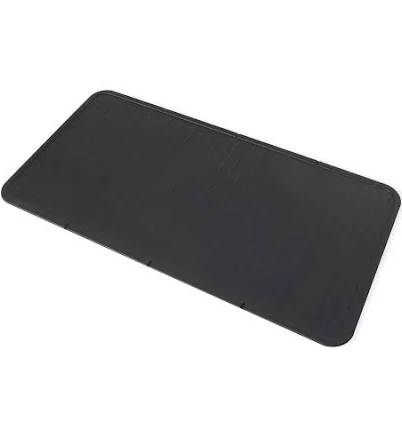
- Silicone mat or grill mat
- We found no PFAS statement from the brand
- Thermal off-gassing and VOC release
3 hazards checked on this product, all on its full breakdown.
Find an alternative on AmazonMore grill & oven mats grades
How we score, every product runs through the same public 0-100 rubric based on materials, coatings, brand disclosure, lab findings, and recalls. See the full methodology → Spotted a mistake? Report an error.