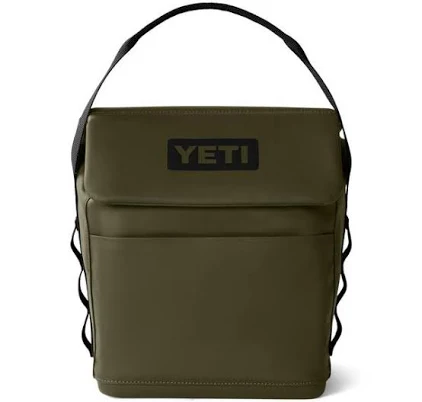
YETI 3L Daytrip Lunch Box in Olive
Lunch box lining likely treated for water resistance; YETI silent on PFAS.
YETI does not disclose PFAS use or absence in this lunch box. The foam and sealed materials typically employ water-repellent coating treatments that historically contain PFAS, though specifics are unknown here.
The better-graded swap
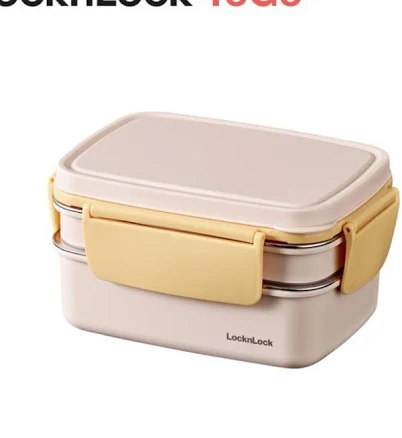
Lock & Lock
LocknLock ToGo 2-Tier Stainless Lunch Box, 500ml + 800ml, Snap Lid, Silicone | Multicolor
80/100 safety
Same rubric that flunked this product. The swap earned Excellent.
Still want this one anyway? Check the price on Amazon. We’d swap it.
Material
Foam liner with sealed exterior (likely polyester/nylon with water-repellent coating)
Lab data
No public lab test
What YETI 3L Daytrip Lunch Box in Olive is made of, ingredients and materials
The YETI Daytrip uses a foam insulation core (likely closed-cell polyethylene or polyurethane) wrapped in a sealed exterior shell of polyester or nylon fabric with a water-repellent coating (water-repellent coating) coating. water-repellent coating finishes on soft-sided food containers are typically fluorochemical-based, which introduces PFAS exposure risk during the product's lifetime. The foam interior itself is not a direct leaching hazard under normal cold food storage, but the barrier coating's durability matters for migration prevention.
What’s concerning
Waterproof / stain-resistant treatment
Water-repellent coating treatments have historically used PFAS.
Category baseline
The starting point for this type of product, before anything specific to this product is counted.
No PFAS disclosure
No public statement from the brand about PFAS in this product.
Phthalates
Polyester and nylon fabrics can contain phthalate plasticizers, and water-repellent coating coatings may include phthalates as processing aids. YETI has not published material safety data sheets; leaching risk is lowest during cold food storage but increases if the product is heated or exposed to oils.
Source, ATSDR ↗Microplastics
Any textile-lined food container can shed fibers, particularly if the interior or exterior coating degrades. Risk is minimal with normal use, but abrasion or wear over years may release small plastic particles into stored food if seams or fabric integrity fails.
Source, EPA ↗Coating degradation and leachables from water-resistant finish
The water-repellent coating (presumed fluorochemical-based per PFAS assessment) will degrade over 2-5 years of normal use. As it wears, migration of coating components into stored food becomes more probable, particularly if scratched, compressed, or exposed to moisture and friction. Replacement on a 3-5 year cycle mitigates this risk.
What’s reassuring
BPA & bisphenols
YETI does not disclose adhesive or sealant composition in product documentation. Soft-sided lunch boxes typically use minimal adhesives at seams; no recalls or testing reports for this product class have flagged BPA leaching into food.
Source, FDA ↗Formaldehyde / VOCs
Polyester textiles used in food containers are typically not treated with formaldehyde-releasing resins (common in apparel but not soft-sided coolers). No industry or product-specific data suggests formaldehyde risk in this category.
Source, ATSDR ↗The full breakdown
The brand's record and disclosure
YETI has not publicly committed to PFAS-free manufacturing or disclosed whether this lunch box uses fluorinated water-repellent coating treatments. The company markets durability and insulation performance but remains silent on chemical composition details and has no published PFAS phase-out timeline. This opacity is notable in a premium product category where competitors (such as some REI-branded soft coolers) have begun transparency initiatives.
How it compares in its category
Soft-sided lunch boxes in this price range typically use some form of water-resistant coating, and most brands do not disclose PFAS status. YETI's lack of transparency is consistent with the market norm, but it places the product in the middle tier for consumer safety disclosure. Hard-sided lunch boxes or those with explicitly PFAS-free marketing (e.g., certain Corkcicle or hydro-flask alternatives) offer lower chemical uncertainty, though at similar or higher cost.
If you buy it
Store only cold or room-temperature foods; do not microwave or fill with hot liquids, as heat can accelerate leaching from the coating. Inspect the exterior seams and fabric yearly for wear; if the coating begins to peel, flake, or lose water repellency, replace the lunch box rather than continue use. Hand wash the exterior with mild soap and cool water; avoid harsh cleaners that can degrade the water-repellent coating finish. Given the unknown PFAS status, families concerned about PFAS exposure may prefer brands with explicit PFAS-free certifications.
What we don’t know
- Basis
- Model estimate, 45% confidence, not a lab result
- Lab test
- None on record for this exact product
- Brand statement
- Yeti has made a specific claim
Formulations change between production runs, so check the current label. How we grade.
Better-graded alternatives in Lunch Boxes
Klean Kanteen
Double Wall Vacuum Insulated Stainless Steel Food Canister Container with Leak Proof Lid
- Stainless steel body, silicone gasket lid seal
- The brand calls it PFAS-free, which we have not verified
- Silicone gasket degradation
3 hazards checked on this product. See all of them.
Snapware
Meal Box Glass
- borosilicate glass
- We found no PFAS statement from the brand
- Leaching from glass matrix or lid seals
2 hazards checked on this product. See all of them.
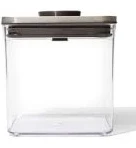
OXO
Steel Pop Big Square Short - 2.8 Qt/2.6 l
- Stainless steel container, no surface treatment
- Lid/gasket polymer leaching
3 hazards checked on this product. See all of them.
More lunch boxes grades
How we score, every product runs through the same public 0-100 rubric based on materials, coatings, brand disclosure, lab findings, and recalls. See the full methodology → Spotted a mistake? Report an error.