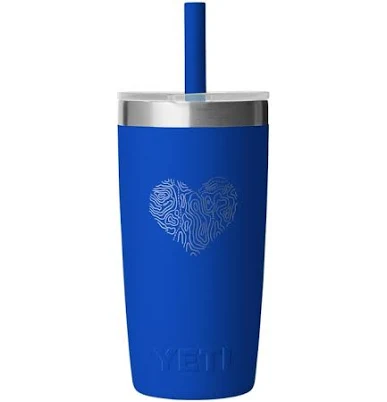
YETI Rambler Jr. 10 oz Tumbler with Straw Lid
Plastic lid and straw chemistry not stated. Stainless steel body not a material linked to PFAS.
The interior is stainless steel, not a material linked to PFAS. The lid and straw are plastic, but their chemistry is not stated. Yeti has no PFAS statement on record for this product.
The better-graded swap
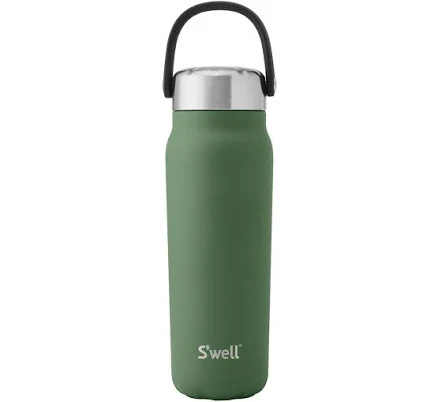
S'well
S'well Recycled Stainless Steel Explorer 24oz Green Jasper
80/100 safety
Same rubric that flunked this product. The swap earned Excellent.
Still want this one anyway? Check the price on Amazon. We’d swap it.
Material
stainless steel interior with plastic lid and straw
Lab data
No public lab test
You may also be interested in
Top-graded picks in the categories readers replace first, every one scored on the same rubric.

- polypropylene filter housing, carbon/sediment cartridge
- We found no PFAS statement from the brand
- Bacterial growth in spent cartridges
3 hazards checked on this product, all on its full breakdown.

Aquasure
Premier Series 75 GPD Under Sink Reverse Osmosis Water Filtration System
- RO membrane, carbon filters, stainless steel housing
- We found no PFAS statement from the brand
- Bacterial and microbial growth in housing and filters
4 hazards checked on this product, all on its full breakdown.

Avocado
Vegan Mattress
- organic cotton, natural latex, coconut coir, recycled steel coils
- The brand calls it PFAS-free, which we have not verified
- Heavy metals
2 hazards checked on this product, all on its full breakdown.
What YETI Rambler Jr. 10 oz Tumbler Straw Lid is made of, ingredients and materials
The YETI Rambler Jr combines a food-grade stainless steel interior (18/8 or similar) with a plastic lid assembly and silicone or plastic straw. Stainless steel is not a material linked to metal leaching under normal use and has lower concern than many beverage container materials. The plastic components (lid, straw) are the chemical exposure vector; YETI does not publicly specify the resin type (polypropylene, polycarbonate, acrylic, or other), making independent hazard assessment incomplete.
What’s concerning
Category baseline
The starting point for this type of product, before anything specific to this product is counted.
No PFAS disclosure
No public statement from the brand about PFAS in this product.
BPA & bisphenols
YETI does not claim the lid or straw is BPA-free on product labels or website. The resin composition is undisclosed, leaving uncertainty whether polycarbonate or other BPA-containing plastics are used. Given the product's child-friendly size, absence of an explicit BPA-free statement is a gap.
Source, FDA ↗Phthalates
Softening agents (phthalates) are sometimes used in plastic lids and straws for flexibility. No public testing or certification by YETI rules this out. Risk is low if the product meets FDA food contact standards, but unconfirmed.
Source, ATSDR ↗PFAS
YETI's parent assessment grades PFAS at 65/100 (lower concern) but the company discloses nothing specific to the Rambler Jr. Some plastic beverage lids use PFAS-based non-stick or water-repellent coatings. Leaching risk under normal use is low, but lack of transparency limits confidence.
Source, ATSDR ↗Plastic degradation and microparticle release under thermal stress
Repeated exposure to hot water or dishwasher cycles can cause plastic lids and straws to degrade, potentially releasing microplastics into beverages. YETI does not publish thermal stability or durability data. Hand-washing in cool water mitigates this significantly.
What’s reassuring
Base material not linked to PFAS
The main material recorded for this product is not one associated with PFAS.
Coating or adhesive leaching from lid seals
No recalls or documented cases of off-flavor, cloudiness, or chemical leaching from YETI Rambler lids have been reported. This is a passive observation based on absence of public safety data, not a guarantee.
How is this PFAS grade calculated?
The brand's record and disclosure
YETI maintains minimal public transparency on material composition and chemical safety. The company has not published PFAS testing results, third-party certifications (e.g., NSF, BPA-free claims), or detailed material datasheets despite the Rambler line's premium positioning. No major recalls for chemical leaching or coating failure have been documented in this product line. The brand's silence on PFAS in particular is notable given industry-wide discussion of these compounds in beverage lids.
How it compares in its category
The stainless steel tumbler category has lower concern than ceramic (glaze lead risk) or coated aluminum (Teflon-type coating/coating degradation risk). Most competitors in YETI's price tier similarly withhold detailed PFAS and chemical disclosure. However, some brands (e.g., Hydro Flask, S'well) publish more explicit material specs and BPA-free certifications. The 10 oz size is a children's product, which heightens concern about undisclosed chemical content.
If you buy it
Hand-wash the lid and straw in cool to warm water only; dishwasher heat may accelerate plastic degradation or leaching. Avoid prolonged contact with hot liquids in the plastic components; use for cold or room-temperature beverages preferentially. Replace the lid or straw if visible cracking, cloudiness, or discoloration appears, as these indicate polymer breakdown. If using with a child, consider requesting the brand's material safety data or purchasing from retailers offering full returns if PFAS or BPA concerns arise.
What is not known about PFAS in this product?
- Basis
- Model estimate, 72% confidence, not a lab result
- Lab test
- None on record for this exact product
- Brand statement
- Yeti has made a specific claim
Formulations change between production runs, so check the current label. How we grade.
What are the PFAS-free alternatives to YETI Rambler Jr. 10 oz Tumbler with Straw Lid?
- stainless steel exterior, ceramic lining interior
- Ceramic coating degradation over time
3 hazards checked on this product, all on its full breakdown.
- Stainless steel body, plastic lid
- We found no PFAS statement from the brand
- Plastic lid polymer identity and leaching potential
3 hazards checked on this product, all on its full breakdown.
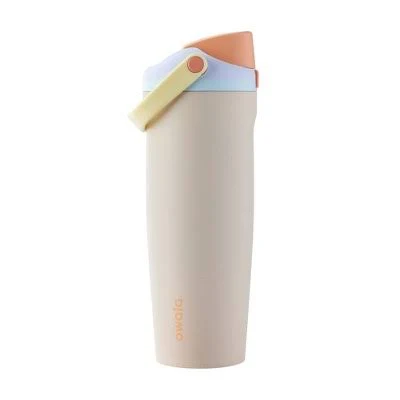
- Stainless steel body, no interior coating disclosed
- Silicone and plastic lid/valve leachables
3 hazards checked on this product, all on its full breakdown.
More insulated travel mugs grades
How we score, every product runs through the same public 0-100 rubric based on materials, coatings, brand disclosure, lab findings, and recalls. See the full methodology → Spotted a mistake? Report an error.