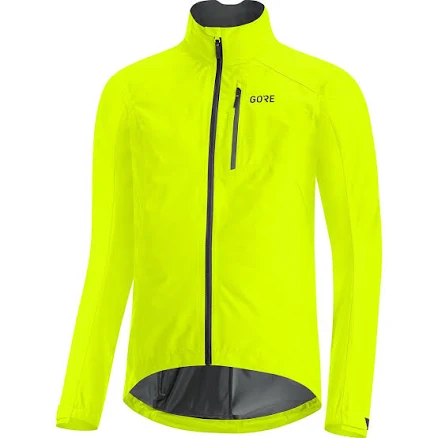
GORE-TEX PACLITE Jacket Men's
GORE-TEX uses Teflon-type coating; no public PFAS disclosure from Gore.
GORE-TEX membranes are Teflon-type coating-based, a Teflon-family coating historically containing PFAS. Gore has not publicly committed to PFAS-free manufacturing or disclosed treatment chemicals. Limited transparency on water-repellent coating composition.
Still want this one anyway? Check the price on Amazon. We’d swap it.
Material
Teflon-type coating-based ePTFE membrane laminate with water-repellent coating treatment
Brand disclosure
Brand is silent on PFAS
Lab data
No public lab test
You may also be interested in
Top-graded picks in the categories readers replace first, every one scored on the same rubric.

- polypropylene filter housing, carbon/sediment cartridge
- We found no PFAS statement from the brand
- Bacterial growth in spent cartridges
3 hazards checked on this product, all on its full breakdown.

Aquasure
Premier Series 75 GPD Under Sink Reverse Osmosis Water Filtration System
- RO membrane, carbon filters, stainless steel housing
- We found no PFAS statement from the brand
- Bacterial and microbial growth in housing and filters
4 hazards checked on this product, all on its full breakdown.

Avocado
Vegan Mattress
- organic cotton, natural latex, coconut coir, recycled steel coils
- The brand calls it PFAS-free, which we have not verified
- Heavy metals
2 hazards checked on this product, all on its full breakdown.
What GORE-TEX PACLITE Jacket Men's is made of, ingredients and materials
GORE-TEX PACLITE uses an expanded polytetrafluoroethylene (ePTFE) membrane bonded to fabric layers, with a water-repellent coating (water-repellent coating) finish applied to the outer shell. The ePTFE itself is Teflon-type coating-based synthetic polymer; the water-repellent coating treatment historically relied on fluorinated compounds (PFAS family) to achieve water shedding without trapping moisture. This laminate structure is designed for breathability under heavy exertion, which is why the microporous membrane is necessary. The material itself does not leach Teflon-type coating particles into skin under normal wear, but the fluorinated water-repellent coating degrades over time and washing.
What’s concerning
Waterproof / stain-resistant treatment
Water-repellent coating treatments have historically used PFAS.
Category baseline
The starting point for this type of product, before anything specific to this product is counted.
No PFAS disclosure
No public statement from the brand about PFAS in this product.
Teflon-type coating thermal fume risk (coatings/overheating)
Teflon-type coating-based coatings can release toxic fumes if heated above 260 degrees Celsius; normal wearing and washing poses no risk, but industrial heat (iron, dryer, storage near heating vents) should be avoided. This jacket is not designed for high-heat environments.
water-repellent coating fluorinated compound shedding (environmental/aquatic)
Fluorinated water-repellent coating finishes on technical apparel are documented contributors to PFAS in wastewater; washing and wear gradually mobilizes these compounds. Individual exposure risk to wearer is low; environmental and drinking-water impact is the primary documented concern.
Off-gassing from solvent residues (manufacturing)
Lamination processes use adhesives and solvents; residual volatile organic compounds (VOCs) may off-gas in first weeks to months. Airing the jacket after purchase and before heavy wear can reduce inhalation exposure, though this is typically mild and resolves with time.
What’s reassuring
Formaldehyde / VOCs
No recalls or reports of formaldehyde-based finish resins in GORE-TEX PACLITE jackets; Gore's laminate process typically does not require formaldehyde-heavy durable press treatments common in cotton apparel. Standard textile safety testing applies if jacket is certified to OEKO-TEX or similar, but Gore does not publicly disclose finishing chemistry.
Source, ATSDR ↗Azo dyes or restricted colorants
GORE-TEX fabric layers are typically dyed with modern colorants; no documented reports of azo-dye contamination in PACLITE jackets. Gore does not publish dye supplier information or heavy-metal testing data publicly.
How is this PFAS grade calculated?
The brand's record and disclosure
Gore has not published specific PFAS phase-out timelines or disclosed alternatives for GORE-TEX water-repellent coating finishes as of available public records. The company holds patents on Teflon-type coating membrane technology and markets durability as a core value, but has been silent on fluorine-based chemistry in their coatings relative to competitors' transparency efforts. No major product recalls or contamination incidents specific to GORE-TEX PACLITE jackets are documented. Gore's certification focus has been on performance testing rather than chemical content disclosure to consumers.
How it compares in its category
GORE-TEX PACLITE is a premium breathable-waterproof membrane standard; direct competitors include eVent, Polartec NeoShell, and budget polyurethane-coated fabrics. Many mid-tier brands have begun adopting PFAS-free water-repellent coating treatments (e.g., wax-based or silicone alternatives), though these typically sacrifice durability or packability compared to Teflon-type coating laminate performance. GORE-TEX remains the performance benchmark, but this comes with documented PFAS exposure risk that Gore has not transparently addressed for this product line. The premium price reflects membrane engineering, not chemical safety innovation.
If you buy it
Wash in cold water with minimal detergent to slow water-repellent coating degradation and reduce fluorine shedding into water systems; hot water accelerates coating breakdown. Avoid fabric softeners and heat-drying, which compromise water repellency and may increase off-gassing of residual solvents from coating application. Expect effective waterproofing to decline after 2-3 years of regular use; water-repellent coating re-treatment products are available but reintroduce PFAS-class chemicals. Store dry and well-ventilated; the membrane itself is stable but off-gassing risk is highest in first weeks after manufacture.
What is not known about PFAS in this product?
- Basis
- Model estimate, 45% confidence, not a lab result
- Lab test
- None on record for this exact product
- Brand statement
- Gore has made none
Formulations change between production runs, so check the current label. How we grade.
What are the PFAS-free alternatives to GORE-TEX PACLITE Jacket Men's?
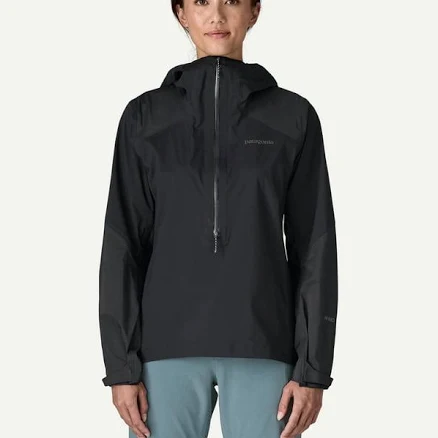
- polyester shell with water-repellent coating finish
- The brand calls it PFAS-free, which we have not verified
- Azo dyes and color fastness
4 hazards checked on this product, all on its full breakdown.
Find an alternative on Amazon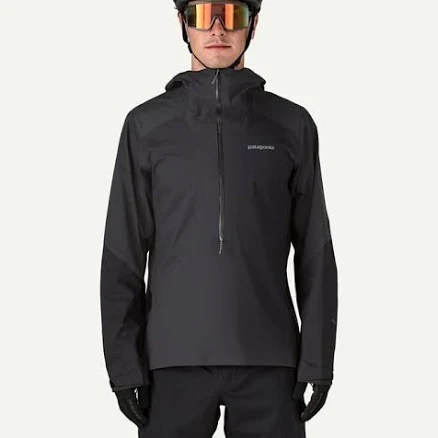
- nylon/polyester with water-repellent coating water treatment
- The brand calls it PFAS-free, which we have not verified
- PFAS
3 hazards checked on this product, all on its full breakdown.
Find an alternative on Amazon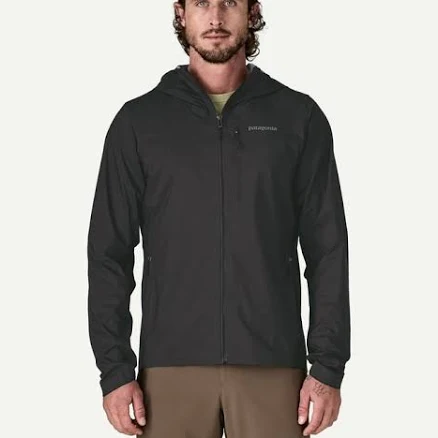
- Nylon with water-repellent coating water-repellent coating finish
- The brand calls it PFAS-free, which we have not verified
- water-repellent coating chemistry opacity (fluorinated vs. non-fluorinated)
3 hazards checked on this product, all on its full breakdown.
Find an alternative on AmazonMore cycling rain jackets grades
How we score, every product runs through the same public 0-100 rubric based on materials, coatings, brand disclosure, lab findings, and recalls. See the full methodology → Spotted a mistake? Report an error.