ALPS Mountaineering · Camping Tents & Tarps
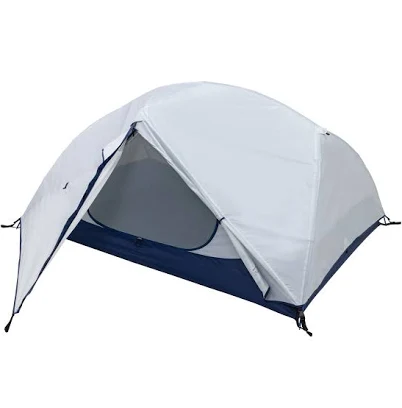
ALPS Mountaineering Chaos Tent
ALPS doesn't disclose water-repellent coating type; likely fluorocarbon but unverified.
The Chaos Tent has polyester with an unspecified water-repellent coating. ALPS Mountaineering offers no public information about PFAS or fluorocarbon water-repellent coating details, and industry norms suggest fluorocarbon-based treatment.
Still want this one anyway? Check the price on Amazon. We’d swap it.
Material
Polyester fabric with water-repellent coating (water-repellent coating) coating, type unspecified
Brand disclosure
Brand is silent on PFAS
Lab data
No public lab test
What ALPS Mountaineering Chaos Tent is made of, ingredients and materials
The Chaos tent is constructed from polyester fabric treated with a water-repellent coating (water-repellent coating) coating to shed water. Polyester itself is a stable synthetic fiber with no documented leaching hazards under normal use conditions. The water-repellent coating chemistry is not publicly specified by ALPS Mountaineering; industry standard suggests either fluorocarbon-based (PFAS) or newer fluorocarbon-free alternatives, but the company has not disclosed which is used in this model. The tent also likely contains seam-sealed tape or adhesive, which typically does not off-gas significantly in outdoor camping conditions.
What’s concerning
Category baseline
The starting point for this type of product, before anything specific to this product is counted.
No PFAS disclosure
No public statement from the brand about PFAS in this product.
Waterproof / stain-resistant treatment
Water-repellent coating treatments have historically used PFAS.
water-repellent coating integrity and degradation
Polyester water-repellent coating coatings degrade over time with UV exposure and washing; loss of water repellency can occur after 3-5 seasons of regular use. This is a durability issue rather than a safety toxin, but failure to dry the tent promptly after use may increase mold and mildew risk.
Mold and mildew growth if stored wet
Polyester fabric itself does not support mold, but sustained moisture in seams and creases will colonize mold, particularly in humid storage. Inhaling spores during setup or sleep poses respiratory irritation; this is preventable through proper drying and storage.
Chemical odor or volatile organic compounds (VOCs)
New polyester tents sometimes emit a faint chemical smell for the first few days of use, likely from residual fabric treatments or ink from printing. This typically dissipates quickly with air exposure and is not documented as a health hazard, but sensitive individuals may experience mild irritation.
What’s reassuring
Seam tape adhesive off-gassing
Tents typically use polyurethane or silicone-based seam sealant; no off-gassing hazards have been reported for ALPS tents or this category during normal outdoor use, where ventilation is high.
Polyester fiber shedding or microfiber release
Polyester fabric does not shed significant microfibers during normal camping use; fibers are only released meaningfully during washing or severe abrasion, neither of which occurs during typical tent deployment.
The full breakdown
The brand's record and disclosure
ALPS Mountaineering has not published transparency reports, safety certifications, or material disclosure statements regarding PFAS or other chemical treatments in their tents. No recalls or safety violations for the Chaos tent or related ALPS products have been documented in public databases. The brand does not appear to have committed to PFAS-free manufacturing or third-party testing; silence on water-repellent coating chemistry is consistent with industry practice but leaves consumers unable to verify safety claims. Contacting ALPS directly is the only path to confirm water-repellent coating formulation.
How it compares in its category
Most camping tents in this price and performance tier use similar polyester plus water-repellent coating; the Chaos occupies the mainstream middle ground with no distinctive safety advantages or disadvantages versus comparable brands like Coleman, REI Co-op, or Kelty. A few premium brands (e.g., Patagonia, Black Diamond) have begun disclosing PFAS-free water-repellent coating or committing to phase-out timelines, but these are exceptions. Budget alternatives often use the same water-repellent coating approach with equally opaque chemistry; premium brands do not necessarily guarantee lower concern coatings. The Chaos is representative of the category's current transparency challenge.
If you buy it
Ensure the tent dries fully after each use to prevent mold and mildew growth in fabric seams, which poses respiratory risk during use. Do not apply additional waterproofing treatments (sprays) unless they are explicitly compatible with polyester and water-repellent coating coatings, as layering can trap moisture and degrade the base coating. Store in a cool, dry place away from direct sunlight to slow fabric degradation and coating breakdown over time. Replace the tent if seams separate, fabric tears extensively, or waterproofing noticeably fails; repair patches are available but do not restore full water-repellent coating performance.
What we don’t know
- Basis
- Model estimate, 35% confidence, not a lab result
- Lab test
- None on record for this exact product
- Brand statement
- ALPS Mountaineering has made none
Formulations change between production runs, so check the current label. How we grade.
More camping tents & tarps grades
How we score, every product runs through the same public 0-100 rubric based on materials, coatings, brand disclosure, lab findings, and recalls. See the full methodology → Spotted a mistake? Report an error.