ALPS Mountaineering · Camping Tents & Tarps
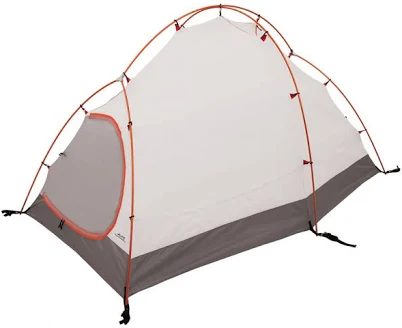
ALPS Mountaineering Tasmanian 3 Tent
Wait for confirmation of PFAS-free water-repellent coating status before buying.
This three-season tent has polyester with a water-repellent coating. ALPS Mountaineering doesn't disclose whether their water-repellent coating uses PFAS or PFAS-free alternatives, leaving conventional water-repellent coating risk unclear.
Still want this one anyway? Check the price on Amazon. We’d swap it.
Material
Polyester tent fabric with water-repellent coating (water-repellent coating) coating
Brand disclosure
Brand is silent on PFAS
Lab data
No public lab test
What ALPS Mountaineering Tasmanian 3 Tent is made of, ingredients and materials
The Tasmanian 3 uses polyester fabric with a water-repellent coating (water-repellent coating) coating. Polyester itself is chemically stable and does not leach monomers or plasticizers under normal camping conditions. The risk lies entirely in the water-repellent coating treatment, conventional water-repellent coatings on outdoor gear historically used long-chain PFAS (perfluoroalkyl substances) for durability and performance. ALPS Mountaineering has not publicly disclosed whether this tent uses legacy PFAS-based water-repellent coating or newer fluorine-free alternatives.
What’s concerning
Category baseline
The starting point for this type of product, before anything specific to this product is counted.
No PFAS disclosure
No public statement from the brand about PFAS in this product.
Waterproof / stain-resistant treatment
Water-repellent coating treatments have historically used PFAS.
PFAS
Conventional polyester tent coatings commonly contain long-chain PFAS or fluorine-based compounds. ALPS Mountaineering has not disclosed water-repellent coating chemistry; lack of certification or statement suggests legacy formulations remain standard.
Source, ATSDR ↗Microplastics
Polyester fabrics can shed microfibers, especially when wet, compressed, or abraded. No specific recalls or studies document this tent as a high-shedder, but contact with skin or washing may release trace fibers.
Source, EPA ↗Mold and biological growth
Polyester does not inherently support mold, but moisture trapped inside a tent during storage or use can foster fungal and bacterial growth. Not a product defect, but a maintenance and usage hazard in humid climates.
Coating degradation and leaching
Over time and with UV exposure, water-repellent coating coatings degrade and can flake or migrate into soil and water near campsites. The chemical composition of shed coating fragments is unknown without manufacturer disclosure.
What’s reassuring
Formaldehyde / VOCs
Polyester tent fabrics may use small amounts of formaldehyde-based finishing resins for wrinkle or water resistance; no specific recalls or documented issues reported for ALPS tents. Standard industry practice is minimal and not considered a primary concern for outdoor textiles.
Source, ATSDR ↗The full breakdown
The brand's record and disclosure
ALPS Mountaineering maintains no public environmental health certifications (such as bluesign, OEKO-TEX, or fluorine-free guarantees) and does not publish material composition or water-repellent coating chemical details on product pages or sustainability reports. The brand has not engaged in documented PFAS phase-out commitments as major outdoor manufacturers (e.g., Patagonia, The North Face) have done. This silence makes independent hazard assessment difficult and suggests conventional coating practices remain in use.
How it compares in its category
Most budget-to-midrange tent brands (including ALPS, Coleman, Ozark Trail) rely on conventional water-repellent coating without transparency, while premium brands increasingly offer PFAS-free alternatives or explicit disclosure. Three-season backpacking tents in this price tier typically do not undergo third-party chemical testing. Choosing this tent means accepting the industry-standard risk profile for unverified water-repellent coating coatings; upgrading to a brand with OEKO-TEX or fluorine-free certification eliminates that specific concern.
If you buy it
Store the tent dry and well-ventilated to prevent mold and off-gassing in enclosed spaces. Do not apply additional fluorinated water-repellent treatments (e.g., spray-on water-repellent coating products), which would add PFAS exposure. Inspect seams and fabric annually for degradation; worn coatings lose waterproofing but do not release particulates into water or food. If concerned about PFAS, contact ALPS Mountaineering directly to request water-repellent coating material specifications before committing to purchase.
What we don’t know
- Basis
- Model estimate, 45% confidence, not a lab result
- Lab test
- None on record for this exact product
- Brand statement
- ALPS Mountaineering has made none
Formulations change between production runs, so check the current label. How we grade.
More camping tents & tarps grades
How we score, every product runs through the same public 0-100 rubric based on materials, coatings, brand disclosure, lab findings, and recalls. See the full methodology → Spotted a mistake? Report an error.