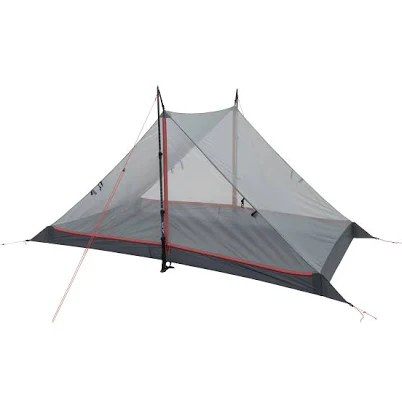
ALPS Mountaineering · Camping Tents & Tarps
ALPS Mountaineering Hex 2 Person Tent
Wait for ALPS to disclose water-repellent coating chemistry.
ALPS Mountaineering doesn't disclose the water-repellent coating chemistry on the Hex 2 tent. Camping gear routinely uses PFAS-based water treatments; without verification or a PFAS-free commitment, concern is warranted.
Still want this one anyway? Check the price on Amazon. We’d swap it.
Material
Polyester tent fabric with water-repellent coating (type unspecified)
Brand disclosure
Brand is silent on PFAS
Lab data
No public lab test
What ALPS Mountaineering Hex 2 Person Tent is made of, ingredients and materials
The ALPS Hex 2 uses polyester fabric with a water-repellent coating (water-repellent coating) coating applied to the outer shell. Polyester itself is chemically stable and does not leach harmful substances under normal camping conditions. However, the water-repellent coating chemistry is unspecified by ALPS, most tent manufacturers use either PFAS-based (fluorocarbon) or newer non-fluorinated water repellents, and the choice directly affects long-term safety and environmental persistence.
What’s concerning
Category baseline
The starting point for this type of product, before anything specific to this product is counted.
No PFAS disclosure
No public statement from the brand about PFAS in this product.
Waterproof / stain-resistant treatment
Water-repellent coating treatments have historically used PFAS.
water-repellent coating degradation and microplastic shedding
Polyester tent fabrics with water-repellent coating coatings can flake or peel over years of use and washing, potentially releasing microplastics into water during cleanup or storm runoff. No published data specific to ALPS Hex 2, but common to polyester coated tents.
PFAS
Industry standard for tent water repellency has historically relied on PFAS-based fluorocarbon coatings. ALPS' refusal to disclose water-repellent coating type, combined with no public commitment to PFAS-free alternatives, suggests conventional PFAS-based chemistry is probable, though not confirmed.
Source, ATSDR ↗What’s reassuring
Volatile organic compounds (VOCs) off-gassing
Polyester fabric and water-repellent coating coatings may emit low levels of VOCs during initial use, particularly if stored in warm conditions. ALPS does not disclose off-gassing testing; typical exposure is brief and outdoors, limiting inhalation risk, but not independently verified for this model.
Flame retardants
No evidence that ALPS applies halogenated or other flame retardants to Hex 2 polyester fabric. Polyester is inherently low-flammability; no public safety alerts or certifications suggest this is a concern for this product.
Source, EPA ↗Formaldehyde / VOCs
Polyester tents do not typically use formaldehyde-releasing resins as finish treatments. No reports of formaldehyde contamination in ALPS tents; polyester dyeing does not inherently require formaldehyde, though some manufacturers may use formaldehyde-based dyes in low amounts.
Source, ATSDR ↗The full breakdown
The brand's record and disclosure
ALPS Mountaineering has not published a public stance on PFAS use in their tent coatings or committed to transitioning to alternatives without specified PFAS compounds. The brand does not list water-repellent coating chemistry on product specs or safety sheets available to consumers. No major product recalls specific to coating degradation or chemical release have been documented for ALPS tents, but absence of disclosure makes informed safety assessment difficult.
How it compares in its category
Most mainstream camping tents (Big Agnes, MSR, Nemo) also use polyester with undisclosed water-repellent coating coatings, placing ALPS in the typical industry position. A small number of brands now explicitly use PFAS-free coatings (e.g., Hyperlite, some Arc'teryx models), though these command premium prices. ALPS does not market itself as a premium sustainability option, and its silence on water-repellent coating type mirrors most established tent manufacturers.
If you buy it
Store the tent dry and avoid prolonged heat exposure above 60°C (140°F), as water-repellent coating coatings can degrade and shed microparticles. Inspect the fabric and seams annually for peeling, flaking, or discoloration; water-repellent coating reapplication products are available if water-shedding declines. Wash infrequently with plain water or mild soap, harsh detergents can strip the coating. If ALPS later discloses PFAS-based water-repellent coating chemistry, consider whether this aligns with your risk tolerance for persistent chemicals in the environment and residual fabric contact.
What we don’t know
- Basis
- Model estimate, 45% confidence, not a lab result
- Lab test
- None on record for this exact product
- Brand statement
- ALPS Mountaineering has made none
Formulations change between production runs, so check the current label. How we grade.
More camping tents & tarps grades
How we score, every product runs through the same public 0-100 rubric based on materials, coatings, brand disclosure, lab findings, and recalls. See the full methodology → Spotted a mistake? Report an error.