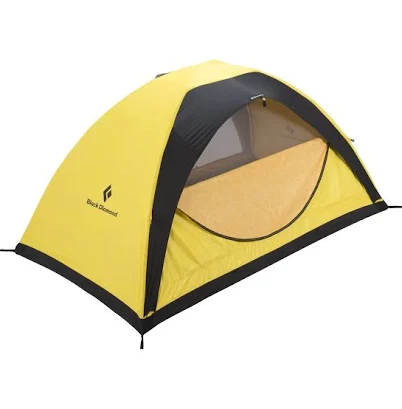
Black Diamond · Camping Tents & Tarps
Black Diamond Ahwahnee Tent
Higher PFAS risk due to water-repellent coating; Black Diamond doesn't disclose water-repellent chemistry.
The ripstop nylon water-repellent treatment uses water-repellent coating finishes historically common with PFAS compounds. Black Diamond makes no public statement about PFAS-free chemistry or alternatives.
Still want this one anyway? Check the price on Amazon. We’d swap it.
Material
Ripstop nylon with water-repellent coating (water-repellent) treatment
Brand disclosure
Brand is silent on PFAS
Lab data
No public lab test
What Black Diamond Ahwahnee Tent is made of, ingredients and materials
The Ahwahnee uses ripstop nylon fabric, a durable synthetic polymer prized for tear resistance and lightweight performance in outdoor tents. The critical component is the water-repellent coating (water-repellent coating) treatment applied to the nylon surface. water-repellent coating coatings have historically relied on PFAS chemistry to achieve water shedding without compromising breathability. Black Diamond does not publicly disclose the chemical composition of its water-repellent coating treatment for this model, leaving the extent of PFAS exposure unclear.
What’s concerning
Category baseline
The starting point for this type of product, before anything specific to this product is counted.
No PFAS disclosure
No public statement from the brand about PFAS in this product.
Waterproof / stain-resistant treatment
Water-repellent coating treatments have historically used PFAS.
PFAS
Ripstop nylon tents typically use fluorinated water-repellent coating treatments; Black Diamond's refusal to disclose the chemistry strongly suggests conventional PFAS-based repellents. PFAS does not volatilize significantly at ambient outdoor temperatures but can leach into soil or water if the tent is disposed of improperly or heavily abraded.
Source, ATSDR ↗Nylon fiber degradation and microplastic shedding
Ripstop nylon can shed microfibers during abrasion, washing, or UV exposure, though this is not unique to Black Diamond products. Outdoor use and weathering accelerate fiber breakdown; the extent of microplastic release into the environment from a tent is not well quantified for this specific product.
VOC off-gassing from new tent
New ripstop nylon tents may emit volatile organic compounds (VOCs) from the fabric finish, adhesives, and dyes during the first few uses. This is a transient concern; airing the tent outdoors before first overnight use minimizes any odor or inhalation risk.
What’s reassuring
Adhesive and seam-tape leachables
Tent seams are sealed with adhesive tapes; no specific hazards or recalls involving seam chemicals in Black Diamond tents are documented. Standard polyurethane or rubber-based seam sealants are used industry-wide without established toxicity concerns in camping applications.
Heavy metals
Nylon tent fabrics are typically dyed with modern synthetic dyes that are not known to contain lead or cadmium; no public testing or recalls for heavy metal contamination in Black Diamond tents are available.
Source, FDA ↗The full breakdown
The brand's record and disclosure
Black Diamond has not released public statements about PFAS reduction or phase-out in their fabric treatments. The company does not advertise PFAS-free or fluorocarbon-free water-repellent coating options for this tent line. Industry trend data shows many premium outdoor brands have begun adopting PFAS alternatives (such as wax or silicone-based repellents), but Black Diamond's silence on this issue suggests the Ahwahnee likely uses conventional fluorinated water-repellent coating. No product recalls or safety controversies specific to this tent model are documented.
How it compares in its category
Most three-season camping tents in this price and performance tier use ripstop nylon with some form of water-repellent coating. Competitors like REI Co-op and some Marmot models have begun transitioning to PFAS-free water-repellent coating or explicitly certify their treatments. The Ahwahnee sits in the middle-to-premium segment without comparable transparency, making it harder to assess relative PFAS risk. For non-PFAS concerns, ripstop nylon tents as a category pose minimal chemical hazard compared to other consumer products.
If you buy it
Use the tent in well-ventilated outdoor settings and avoid storing it wet or in enclosed spaces where off-gassing could accumulate. Ripstop nylon is stable under normal camping conditions; UV degradation occurs slowly and mainly affects the fabric color and water-repellency over years of use, not coating breakdown into the air. Re-treat the tent with commercial water-repellent coating sprays as the factory coating wears; if you do, choose a PFAS-free water-repellent coating product to reduce additional fluorocarbon input. Replace the tent when seams leak or fabric tears compromise shelter integrity, not due to chemical concerns.
What we don’t know
- Basis
- Model estimate, 50% confidence, not a lab result
- Lab test
- None on record for this exact product
- Brand statement
- Black Diamond has made none
Formulations change between production runs, so check the current label. How we grade.
More camping tents & tarps grades
How we score, every product runs through the same public 0-100 rubric based on materials, coatings, brand disclosure, lab findings, and recalls. See the full methodology → Spotted a mistake? Report an error.