Big Agnes · Camping Tents & Tarps
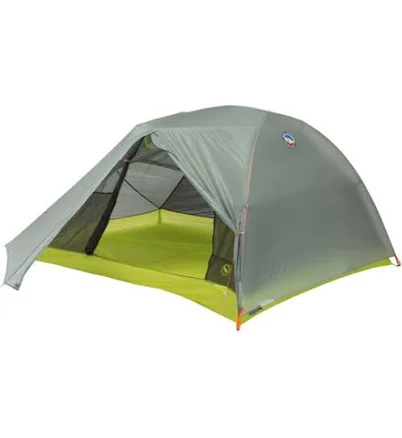
Big Agnes Tiger Wall UL2 Backpacking Tent
Backpacking tent uses water-repellent coating; PFAS risk typical, Big Agnes discloses nothing.
Big Agnes tents use nylon with water-repellent coating treatments to shed water, a standard industry practice that historically relied on PFAS-based chemistries. Big Agnes provides no public disclosure about its waterproofing formula or PFAS avoidance.
Still want this one anyway? Check the price on Amazon. We’d swap it.
Material
Nylon ripstop fabric with water-repellent coating (water-repellent coating) coating
Brand disclosure
Brand is silent on PFAS
Lab data
No public lab test
What Big Agnes Tiger Wall UL2 Backpacking Tent is made of, ingredients and materials
The Tiger Wall UL2 uses nylon ripstop fabric, a common, chemically stable synthetic that does not leach heavy metals or off-gas formaldehyde under normal use. The water-repellent coating (water-repellent coating) coating applied to nylon is where PFAS chemicals typically reside in modern tents; Big Agnes has not disclosed whether theirs is PFAS-based or fluorine-free. The fabric itself is not a documented source of concern for toxic migration into food, skin, or air during typical camping conditions.
What’s concerning
Category baseline
The starting point for this type of product, before anything specific to this product is counted.
No PFAS disclosure
No public statement from the brand about PFAS in this product.
Waterproof / stain-resistant treatment
Water-repellent coating treatments have historically used PFAS.
PFAS
Nylon ripstop tents almost universally rely on fluorinated water-repellent coating coatings. Big Agnes does not disclose water-repellent coating chemistry; PFAS presence is statistically probable but unconfirmed for this model.
Source, ATSDR ↗Microplastics
Over years of UV exposure and washing, water-repellent coating coatings can crack, peel, and shed particles. This is a wear-out issue, not a manufacturing defect, but affects fabric durability and potential inhalation of coating fragments.
Source, EPA ↗Mold and bacterial growth in fabric seams
If stored damp or in high humidity, seams and fabric can harbor mold and bacteria. This is a maintenance issue, not a chemical hazard, but affects indoor air quality if tent is used indoors.
What’s reassuring
Nylon fabric off-gassing or leaching
Nylon ripstop does not off-gas formaldehyde or leach heavy metals under normal ambient camping conditions. No documented hazard reported for this product or material class.
Azo dyes or antimony in fabric coloring
No industry data or recalls indicate toxic dyes or antimony contamination in Big Agnes nylon fabrics. Standard nylon ripstop is not a category with established azo dye or heavy metal concerns.
The full breakdown
The brand's record and disclosure
Big Agnes is a subsidiary of Johnson Outdoor Inc. and does not publish environmental health disclosures, PFAS test reports, or safety certifications specific to chemical content in their fabrics. No voluntary recalls or warnings related to chemical hazards have been documented for this model or line. The company's silence on water-repellent coating chemistry is typical for the outdoor gear industry but reflects absent transparency rather than confirmed safety.
How it compares in its category
All mainstream backpacking tents use nylon or polyester with water-repellent coatings; PFAS presence in water-repellent coating is nearly universal in ultralight and standard models unless the manufacturer states otherwise. Big Agnes' pricing and material spec sit in the market middle; they are neither innovators in fluorine-free coatings nor worse than competitors on available evidence. Brands like Hyperlite and Mountain Hardwear have begun offering PFAS-free tent options, but Big Agnes does not yet market such variants.
If you buy it
Store the tent dry and well-ventilated indoors to prevent mold and bacterial growth in seams and fabric. Avoid prolonged direct heat (e.g., do not dry-clean or machine-wash in hot water), which can accelerate coating breakdown and microplastics shedding. Inspect seams, floor, and coatings annually; replace the tent if the nylon tears or coating visibly peels, as degraded water-repellent coating is less water-resistant and may shed particles. Do not use near direct flame or hot cookware inside the tent.
What we don’t know
- Basis
- Model estimate, 55% confidence, not a lab result
- Lab test
- None on record for this exact product
- Brand statement
- Big Agnes has made none
Formulations change between production runs, so check the current label. How we grade.
More camping tents & tarps grades
How we score, every product runs through the same public 0-100 rubric based on materials, coatings, brand disclosure, lab findings, and recalls. See the full methodology → Spotted a mistake? Report an error.