Big Agnes · Camping Tents & Tarps
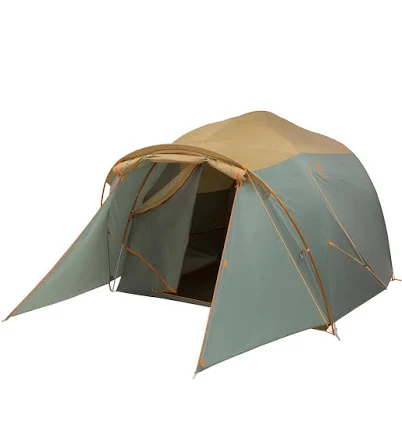
Big Agnes Bunk House 4 Tent
Avoid until Big Agnes discloses its water-repellent coating chemistry or provides third-party testing.
Polyester ripstop fabric with a water-repellent coating treatment, but Big Agnes does not disclose whether this coating contains PFAS. Most mainstream tents historically use PFAS-based water-repellent coating.
Still want this one anyway? Check the price on Amazon. We’d swap it.
Material
Polyester ripstop fabric with water-repellent coating (type unspecified)
Brand disclosure
Brand is silent on PFAS
Lab data
No public lab test
What Big Agnes Bunk House 4 Tent is made of, ingredients and materials
The Bunk House 4 uses polyester ripstop fabric, a lightweight woven synthetic chosen for tear resistance and durability in outdoor conditions. The fabric is treated with a water-repellent coating (water-repellent coating) coating to shed rain, but Big Agnes does not publicly specify whether this coating uses PFAS-based chemistry (legacy fluorocarbon) or newer non-fluorinated alternatives. Polyester itself is chemically stable and does not leach monomers under normal tent use; the coating is the only potential chemical concern.
What’s concerning
Category baseline
The starting point for this type of product, before anything specific to this product is counted.
No PFAS disclosure
No public statement from the brand about PFAS in this product.
Waterproof / stain-resistant treatment
Water-repellent coating treatments have historically used PFAS.
PFAS
Big Agnes does not disclose water-repellent coating chemistry. Legacy fluorinated water-repellent coating (C8/Teflon-type coating-based) remains common in budget and mid-range outdoor textiles; the Bunk House 4 may use this or newer non-fluorinated alternatives. Without testing or manufacturer statement, PFAS presence cannot be ruled out.
Source, ATSDR ↗Volatile organic compounds (VOCs) during storage and use
New polyester fabrics and water-repellent coating coatings may off-gas volatile compounds, especially in warm or enclosed conditions. Tent interiors have limited air exchange; off-gassing is typically mild but detectable as chemical odor in the first few deployments.
Coating degradation and reapplication chemical exposure
Water-repellent coating coatings degrade over 1-3 years and require periodic reapplication. Reapplying coating products indoors or in poorly ventilated spaces carries inhalation risk; many commercial water-repellent coating reapplication products contain solvent-based or spray-applied fluorinated or non-fluorinated compounds.
Mold and bacterial growth in fabric seams if stored wet
If the tent is stored damp or in high humidity, polyester fabric itself resists mold, but trapped moisture in seams and taped seams can promote microbial growth and odor. This is a maintenance issue, not a material defect.
What’s reassuring
Formaldehyde / VOCs
Polyester ripstop fabric may be finished with formaldehyde-based resins for wrinkle resistance or dimensional stability, but no recalls or complaints specific to Big Agnes tents have been documented. This is a minor concern in outdoor textiles compared to apparel.
Source, ATSDR ↗The full breakdown
The brand's record and disclosure
Big Agnes has not published a public position on PFAS in their water-repellent coating treatments or offered third-party testing results for any tent model. The company does not list restricted substance policies or material certifications (like Bluesign or GOTS) on their website. This silence is not unusual for the outdoor gear industry but represents a transparency gap compared to competitors like Nemo and MSR, some of whom have begun disclosing or phasing fluorinated water-repellent coating.
How it compares in its category
Most mid-range 4-person tents use polyester ripstop with fluorinated or non-fluorinated water-repellent coating coatings; Big Agnes is typical in this regard. Premium brands (e.g., Hilleberg, Black Diamond) sometimes offer PFAS-free water-repellent coating or third-party verified alternatives, though at higher cost. Budget tents often use less durable coatings or none at all, requiring more frequent reapplication and generating more chemical exposure over time.
If you buy it
Store the tent dry and well-ventilated indoors to minimize off-gassing of any coating volatiles. Do not machine-wash; hand-rinse with cool water and mild soap only, as water-repellent coating coatings break down with harsh detergents and high heat. Every 1-2 years or after heavy use, reapply a water-repellent coating (check product label to confirm non-PFAS options are available). If you reapply, do so outdoors or in a ventilated space to avoid inhaling spray aerosols.
What we don’t know
- Basis
- Model estimate, 45% confidence, not a lab result
- Lab test
- None on record for this exact product
- Brand statement
- Big Agnes has made none
Formulations change between production runs, so check the current label. How we grade.
More camping tents & tarps grades
How we score, every product runs through the same public 0-100 rubric based on materials, coatings, brand disclosure, lab findings, and recalls. See the full methodology → Spotted a mistake? Report an error.