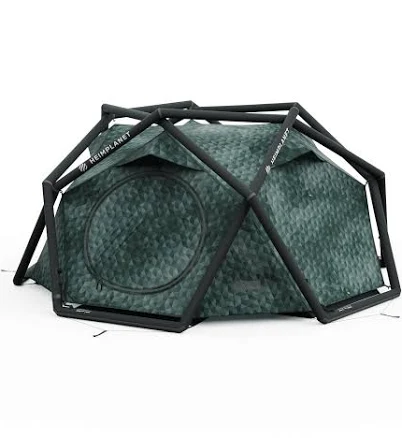
Heimplanet · Camping Tents & Tarps
Heimplanet The Cave Tent
Moderate PFAS concern; no brand transparency on waterproof treatment clarity or PFAS status.
Heimplanet's The Cave is ripstop nylon with waterproof properties, but coating chemistry remains undisclosed. Tent waterproofing has historically relied on fluorochemical treatments.
Still want this one anyway? Check the price on Amazon. We’d swap it.
Material
Ripstop nylon with proprietary waterproof coating
Brand disclosure
Brand is silent on PFAS
Lab data
No public lab test
What Heimplanet The Cave Tent is made of, ingredients and materials
Heimplanet The Cave uses ripstop nylon as the primary fabric layer with a proprietary waterproof coating applied to achieve water resistance. Ripstop nylon itself is stable and durable, but the coating's chemistry is undisclosed, creating uncertainty about whether it contains fluorinated compounds (PFAS) or alternative water-repellent treatments. Nylon does not leach harmful chemicals under normal conditions, but coating degradation over time could alter safety profile.
What’s concerning
Category baseline
The starting point for this type of product, before anything specific to this product is counted.
No PFAS disclosure
No public statement from the brand about PFAS in this product.
Waterproof / stain-resistant treatment
Water-repellent coating treatments have historically used PFAS.
Waterproof coating degradation and unknown chemical composition
The proprietary coating is not publicly disclosed; it may contain PFAS or other chemicals. Degradation over years of use could alter exposure profile, and delamination may release coating particles into contact with skin or food.
Volatile organic compound (VOC) off-gassing from coating
New tents often smell strongly when first unpacked; this is typical of polyurethane or acrylic coatings. Off-gassing should diminish with airing but is not well-studied for this specific product. Avoid sleeping in an unventilated, freshly purchased tent in enclosed spaces.
Microplastic shedding from degraded nylon and coating
Ripstop nylon can shed fibers over time, especially if coating is compromised. This is a minor but noted concern in outdoor gear; microplastics from tent fabric have been detected in field studies of heavily used tents.
What’s reassuring
Heavy metals
No recalls or test data for lead or cadmium in Heimplanet tent dyes have been reported. Nylon textiles rarely exceed limits, but brands do not routinely disclose pigment sourcing for camping tents.
Source, FDA ↗Formaldehyde / VOCs
No evidence of formaldehyde-based finishes in ripstop nylon or polyurethane coatings used for tents. This hazard is more relevant to textiles with anti-wrinkle or mildew-resistant treatments, not typically applied to camping tent fabric.
Source, ATSDR ↗The full breakdown
The brand's record and disclosure
Heimplanet has not publicly disclosed the specific chemistry of its waterproof coating or provided third-party certifications regarding PFAS avoidance. The brand's website and marketing materials do not address chemical transparency or testing standards. This silence is notable in an industry where competitors increasingly disclose use of PFAS-free alternatives, making independent assessment of actual hazard difficult.
How it compares in its category
Most modern camping tents still rely on fluorinated polyurethane or Teflon-type coating-based water-repellent coatings; some premium brands (e.g.Patagonia, Big Agnes, and other brands have committed to alternatives or publicly documented their coating chemistry. Heimplanet's silence places it in a middle tier where PFAS risk cannot be ruled out. The Cave's dome design and lightweight ripstop construction are standard for expedition tents and carry no known elevated hazard beyond coating-related concerns.
If you buy it
Inspect the tent regularly for coating cracks, peeling, or discoloration; damaged coatings may release microparticles or alter leaching behavior. Do not heat the tent fabric deliberately or store it in direct sunlight for extended periods, as UV and heat can degrade waterproof layers. Rinse thoroughly with water (not harsh chemicals) after use in salty or muddy conditions. Replace the tent if coating integrity is lost or if you learn the specific treatment is PFAS-based and you wish to eliminate that exposure.
What we don’t know
- Basis
- Model estimate, 55% confidence, not a lab result
- Lab test
- None on record for this exact product
- Brand statement
- Heimplanet has made none
Formulations change between production runs, so check the current label. How we grade.
More camping tents & tarps grades
How we score, every product runs through the same public 0-100 rubric based on materials, coatings, brand disclosure, lab findings, and recalls. See the full methodology → Spotted a mistake? Report an error.