ALPS Mountaineering · Camping Tents & Tarps
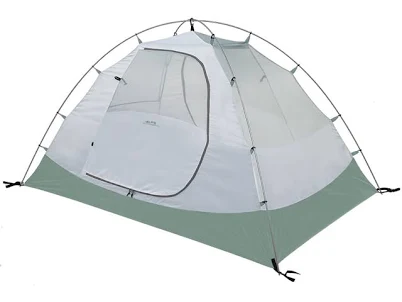
ALPS Mountaineering Felis 2-Person Tent
Skip or ask the brand for coating transparency.
ALPS Mountaineering doesn't disclose water-repellent coating details for the Felis 2-Person Tent. Most outdoor tents use PFAS-based water repellent treatments; without confirmation of PFAS-free alternatives, assume potential PFAS presence.
Still want this one anyway? Check the price on Amazon. We’d swap it.
Material
Polyester ripstop fabric with water-repellent coating (water-repellent coating) coating
Brand disclosure
Brand is silent on PFAS
Lab data
No public lab test
What ALPS Mountaineering Felis 2-Person Tent is made of, ingredients and materials
The Felis 2 uses polyester ripstop fabric, a tightly woven synthetic that resists tearing and is inherently moisture-resistant. The critical unknown is the water-repellent coating (water-repellent coating) coating on top, most tent manufacturers apply fluorinated compounds (PFAS-based) or newer alternatives to achieve waterproofing, and ALPS Mountaineering does not publicly disclose which chemistry they use. Polyester itself is stable and non-toxic under normal use, but the coating's composition determines whether off-gassing or leaching poses risk during storage, sun exposure, or field washing.
What’s concerning
Category baseline
The starting point for this type of product, before anything specific to this product is counted.
No PFAS disclosure
No public statement from the brand about PFAS in this product.
Waterproof / stain-resistant treatment
Water-repellent coating treatments have historically used PFAS.
water-repellent coating composition (fluorinated or non-fluorinated unknown)
Polyester tent DWRs commonly use PFAS for durable water repellency. ALPS Mountaineering does not disclose their specific coating chemistry, leaving PFAS exposure status uncertain. Off-gassing during setup or storage is unlikely to be acute but cumulative indoor or confined-space use may pose minor inhalation risk if fluorinated.
Coating degradation and reapplication safety
As the water-repellent coating ages (typically 3-5 years of use), it breaks down and users often reapply commercial treatments. Many older or cheaper re-treatment products contain PFAS; choice of replacement coating during the tent's lifetime is a secondary exposure route if the owner is unaware of alternatives with lower PFAS concern.
Mildew and bacterial growth if stored wet
Polyester does not support mold or bacteria as readily as cotton, but trapped moisture in seams or under the water-repellent coating can create microenvironments for fungal growth. This is a maintenance issue, not an inherent material hazard, but exposure to mold spores during storage or field setup may trigger respiratory irritation in sensitive individuals.
What’s reassuring
Polyester dye residue and azo dye content
Polyester ripstop fabrics are dyed with standard industrial dyes; no recalls or safety warnings for ALPS Mountaineering tents on dye-related hazards such as azo dyes or heavy-metal dye fixatives. Polyester itself does not leach dyes into skin or food under normal outdoor exposure conditions.
Flame retardants
Polyester ripstop for camping tents is not typically treated with chemical flame retardants, as it is already naturally flame-resistant relative to natural fibers. No public evidence of ALPS Mountaineering using additional flame retardant chemicals on the Felis 2 fabric.
Source, EPA ↗The full breakdown
The brand's record and disclosure
ALPS Mountaineering maintains no public safety certifications, restricted-substance disclosures, or PFAS statements on their website or product pages as of available records. The company is a mid-tier US tent manufacturer (founded 1993, based in Colorado) with no documented recalls related to chemical hazards or coating degradation. Their silence on water-repellent coating chemistry is typical for the budget-camping segment but falls short of transparency standards set by premium brands like Big Agnes or MSR, which increasingly offer fluorine-free or documented water-repellent coating alternatives.
How it compares in its category
The Felis 2 is priced as a budget-friendly option ($150-$200 range) and competes with similar polyester ripstop tents from Coleman, Ozark Trail, and Kelty. Most tents in this price and material class use conventional PFAS-based water-repellent coating without disclosure; high-end ultralight or eco-certified brands (Patagonia, REI Co-op premium lines) increasingly use wax-based or PFC-free coatings. The Felis 2 offers no material differentiation on coating safety, making it a typical entry-level choice rather than a leader or laggard on hazard profile.
If you buy it
Store the tent dry and well-ventilated indoors; avoid prolonged exposure to direct sunlight in sealed storage, which can accelerate any coating breakdown. Clean it with plain water or mild soap and a soft brush; avoid harsh detergents or high heat washing that could strip or damage the water-repellent coating layer. Inspect the seams, fabric, and coating annually for peeling, flaking, or discoloration; if the waterproofing visibly degrades, retreat with a known-safe product (silicone-based or PFC-free water-repellent coating re-treatment kits) or retire the tent. Consider contacting ALPS Mountaineering directly to request their water-repellent coating supplier name and certification data, which may influence your long-term comfort with the product.
What we don’t know
- Basis
- Model estimate, 35% confidence, not a lab result
- Lab test
- None on record for this exact product
- Brand statement
- ALPS Mountaineering has made none
Formulations change between production runs, so check the current label. How we grade.
More camping tents & tarps grades
How we score, every product runs through the same public 0-100 rubric based on materials, coatings, brand disclosure, lab findings, and recalls. See the full methodology → Spotted a mistake? Report an error.