Big Agnes · Camping Tents & Tarps
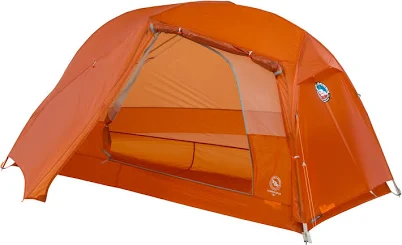
Big Agnes Copper Spur UL1 Backpacking Tent
Tent likely treated with water-repellent coating; Big Agnes provides no PFAS disclosure.
The Copper Spur UL1 uses ripstop nylon with water-repellent treatment typical of backpacking tents. Big Agnes does not publicly disclose water-repellent coating chemistry or PFAS status for this product.
Still want this one anyway? Check the price on Amazon. We’d swap it.
Material
ripstop nylon fabric with water-repellent coating (water-repellent coating) coating
Brand disclosure
Brand is silent on PFAS
Lab data
No public lab test
You may also be interested in
Top-graded picks in the categories readers replace first, every one scored on the same rubric.

- polypropylene filter housing, carbon/sediment cartridge
- We found no PFAS statement from the brand
- Bacterial growth in spent cartridges
3 hazards checked on this product, all on its full breakdown.

Aquasure
Premier Series 75 GPD Under Sink Reverse Osmosis Water Filtration System
- RO membrane, carbon filters, stainless steel housing
- We found no PFAS statement from the brand
- Bacterial and microbial growth in housing and filters
4 hazards checked on this product, all on its full breakdown.

Avocado
Vegan Mattress
- organic cotton, natural latex, coconut coir, recycled steel coils
- The brand calls it PFAS-free, which we have not verified
- Heavy metals
2 hazards checked on this product, all on its full breakdown.
What Big Agnes Copper Spur UL1 Backpacking Tent is made of, ingredients and materials
The Copper Spur UL1 uses ripstop nylon as its primary fabric, a densely woven polyamide chosen for tear resistance and low weight. The fabric is treated with a water-repellent coating (water-repellent coating) finish to shed water without a heavy waterproof layer. water-repellent coating coatings on outdoor textiles have historically relied on PFAS compounds (fluorochemicals) to achieve their water-beading properties, though some manufacturers have begun switching to non-PFAS alternatives. Big Agnes has not publicly disclosed whether this tent uses legacy PFAS-based water-repellent coating or a fluorine-free alternative.
What’s concerning
Waterproof / stain-resistant treatment
Water-repellent coating treatments have historically used PFAS.
Category baseline
The starting point for this type of product, before anything specific to this product is counted.
No PFAS disclosure
No public statement from the brand about PFAS in this product.
PFAS
Ripstop nylon tents at this price point almost certainly use legacy PFAS-based water-repellent coating; Big Agnes silence on this is consistent with industry practice but not reassuring. PFAS bioaccumulates with long-term skin contact and can off-gas in warm storage conditions.
Source, ATSDR ↗Formaldehyde / VOCs
Nylon ripstop may use formaldehyde-based dyes or finishing resins for color fastness and crease resistance, though modern production often avoids high-formaldehyde inputs. No Big Agnes testing results are public.
Source, ATSDR ↗VOC off-gassing from adhesives and coatings
Seam sealing and fabric treatments may release volatile organic compounds when new or when exposed to warm conditions; this is typical for ripstop tents but typically dissipates within days of opening and airing in a well-ventilated space.
What’s reassuring
Heavy metals
No reported or documented cases of toxic dyes or metal contamination in Big Agnes tents. Standard ripstop nylon dyeing practices are regulated in most manufacturing zones, but Big Agnes provides no supplier transparency.
Source, FDA ↗Antimony in polyester trim or thread
The tent uses nylon as primary fabric, not polyester, so antimony is unlikely in the shell itself. Thread and sealing tape may contain polyester, but antimony levels in modern outdoor gear are generally low and not documented as a concern in this product category.
How is this PFAS grade calculated?
The brand's record and disclosure
Big Agnes has no publicly documented chemical disclosure policy or third-party certifications (such as Bluesign or OEKO-TEX) for their tent materials. The brand does not provide transparency on water-repellent coating chemistry, flame retardants, or heavy metals in dyes and hardware. No recalls or safety controversies tied to chemical contamination have been reported for Big Agnes tents. However, the absence of disclosure is itself a red flag in an industry where competitors increasingly communicate their chemical choices.
How it compares in its category
Ultralight backpacking tents in this price and weight tier typically use ripstop nylon with water-repellent coating, making the Copper Spur UL1 materials-typical for the category. Competitors like MSR and Zpacks similarly use treated nylon without full chemical transparency. A small subset of brands (notably some European manufacturers) now publish PFAS-free water-repellent coating claims or use alternative water-repellent technologies, but these remain less common at budget-ultralight price points. Big Agnes's lack of disclosure leaves you unable to differentiate this tent from others on chemical safety grounds.
If you buy it
Store the tent in a cool, dry place away from direct sunlight to slow water-repellent coating degradation, which typically occurs over 5-10 seasons of use. Do not machine-wash or tumble-dry; hand-rinse with plain water and air-dry flat to avoid accelerating coating breakdown. Avoid exposing the fabric to high heat (>140F) during storage or drying, as nylon can soften and water-repellent coating coatings may degrade. If water no longer beads after several years, water-repellent coating re-treatment products are available, though their chemistry is often equally opaque.
What is not known about PFAS in this product?
- Basis
- Model estimate, 45% confidence, not a lab result
- Lab test
- None on record for this exact product
- Brand statement
- Big Agnes has made none
Formulations change between production runs, so check the current label. How we grade.
More camping tents & tarps grades
How we score, every product runs through the same public 0-100 rubric based on materials, coatings, brand disclosure, lab findings, and recalls. See the full methodology → Spotted a mistake? Report an error.